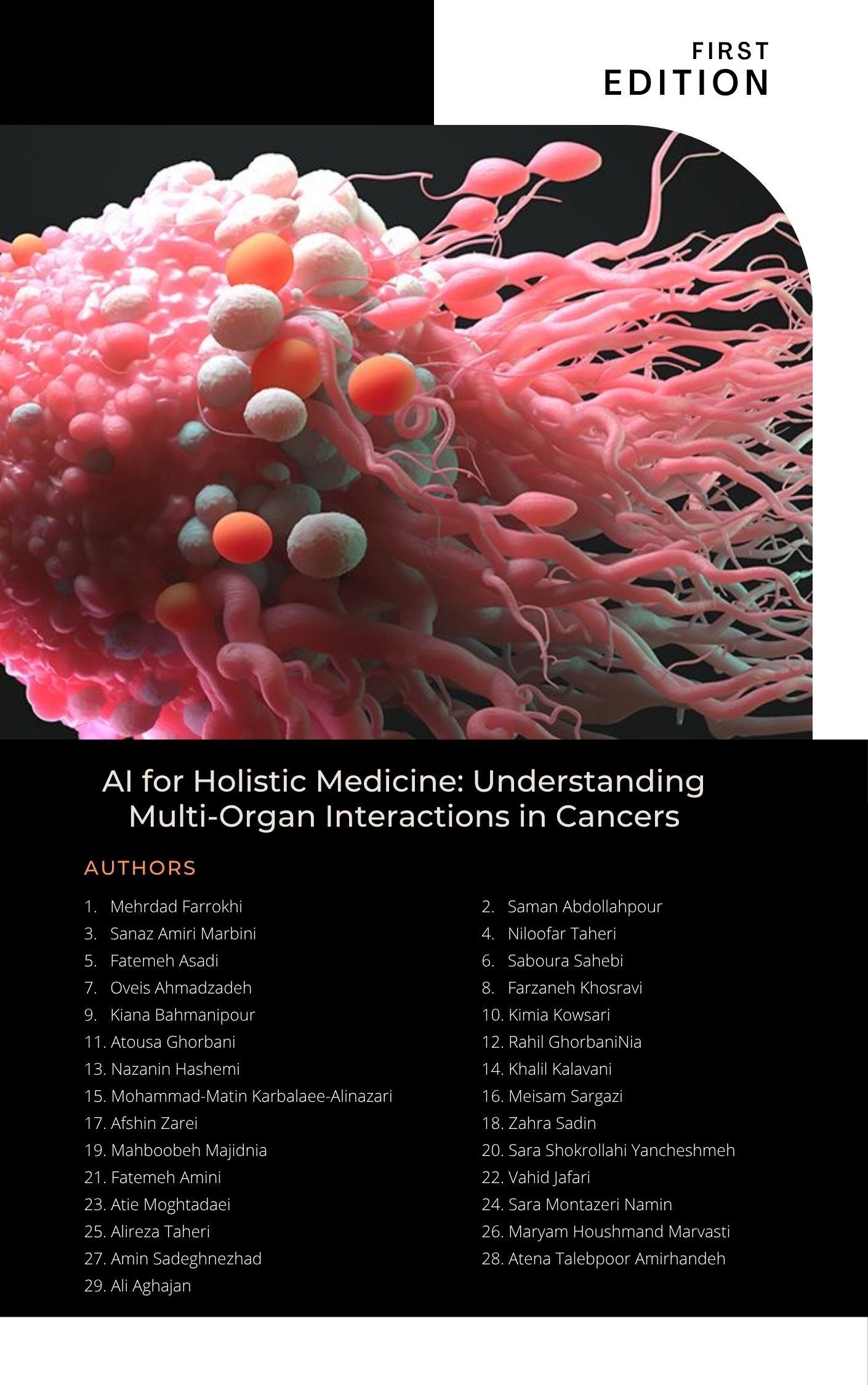
AI for Holistic Medicine: Understanding Multi-Organ Interactions in Cancers
Keywords:
Artificial Intelligence, Holistic Medicine, CancerAbstract
Artificial intelligence (AI) is playing a major role in transforming holistic medicine, especially in cancer research and treatment. Traditionally, cancer was viewed as a disease that affects only one organ, such as the lungs, liver, or breast. However, recent scientific studies show that cancer is a complex disease involving interactions between multiple organs and biological systems. Tumors can influence the immune system, metabolism, hormones, blood circulation, and even distant organs through processes such as inflammation and metastasis. AI helps researchers and doctors understand these complicated connections more efficiently and accurately. One of the most important contributions of AI in holistic cancer medicine is its ability to analyze massive amounts of medical and biological data. Modern healthcare generates information from genomic sequencing, laboratory tests, medical imaging, electronic health records, and wearable devices. AI systems, particularly machine learning and deep learning models, can process this data to identify hidden patterns that humans may not easily detect. By combining information from different biological layers, known as “multi-omics” data, AI provides a more complete understanding of how cancer develops and spreads throughout the body. AI is also improving precision medicine, where treatments are tailored to the unique characteristics of each patient. Different patients often respond differently to the same cancer therapy. AI models can predict which treatments, such as chemotherapy, immunotherapy, or targeted drugs, are most likely to work for specific patients based on their genetic and molecular profiles. This personalized approach reduces unnecessary side effects and improves treatment outcomes. Another important application is AI-assisted medical imaging. AI-powered tools can analyze CT scans, MRI scans, and PET scans with high accuracy to detect tumors, monitor disease progression, and identify early signs of metastasis. These systems help doctors understand how cancer affects surrounding tissues and distant organs, supporting a more holistic approach to treatment planning. Holistic medicine also considers lifestyle, nutrition, stress, environmental exposure, and the gut microbiome in cancer care. AI can integrate these factors with medical data to create personalized wellness and treatment plans. For example, wearable devices can track physical activity, sleep, and vital signs, while AI analyzes this information to monitor patient health continuously. Despite its potential, challenges remain, including data privacy concerns, algorithm bias, and the need for clinical validation. Some AI systems also lack transparency, making it difficult for doctors to understand how decisions are made. Nevertheless, AI continues to advance rapidly and is expected to revolutionize cancer care in the future. In conclusion, AI is helping holistic medicine move toward a more comprehensive understanding of cancer as a multi-organ and system-wide disease. By combining biological, clinical, and lifestyle data, AI supports earlier diagnosis, personalized treatments, and better patient outcomes, marking a significant step forward in modern healthcare.
References
AbdelHamid SG, Halawa EM, Ibrahim EM, ElHefnawi M. Artificial intelligence-powered liquid biopsy in cancer: a paradigm shift in cancer detection and personalized care. Cancer Cell Int. 2026;26(1).
Abuhassan Q, Oriquat G, Ganesan S, Kanwar JB, Kumar VR, Sharma V, et al. LI-RADS-aligned artificial intelligence for liver cancer diagnosis: methods, evidence, and clinical readiness. Abdom Radiol (NY). 2025.
Al-Hakami HA, Abdullah IA, Almutairi NS, Aldawsari RR, Alluqmani GA, Fallatah HA, et al. The Role of Artificial Intelligence in Prognosis, Recurrence Prediction, and Treatment Outcomes in Laryngeal Cancer: A Systematic Review. Cancers (Basel). 2026;18(8).
Al-Shahrabi R, Alkhnbashi OS, Almarri RSB, Ahmad S, Soares NC, Al Shareef Z. Artificial Intelligence and Multiomics Beyond PSA Screening in African and Middle Eastern Prostate Cancer Patients. J Proteome Res. 2026;25(5):2221-33.
Alfaro S, Liu J, Naranjo Ortiz C, Alfaro A, Lustberg M. Applications of machine learning and natural language processing to neurocognitive outcomes in posttreatment cancer survivors: a scoping review. Support Care Cancer. 2026;34(1):71.
Alharbi W, Alfayez AA. Explainable artificial intelligence in pancreatic cancer prediction: from transparency to clinical decision-making. Front Oncol. 2025;15:1720039.
Ali TM, Mir A, Rehman AU, Humayun M, Shaheen M, Alshammari RTS. Revolutionizing Lung Cancer Detection: A High-Accuracy Machine Learning Framework for Early Diagnosis. Biomed Res Int. 2025;2025:9961773.
Alshammari A, Boabbas A, Nassar B, Shaikhah A. The Role of Artificial Intelligence in General Surgery: A Systematic Review and Meta-Analysis of Machine Learning Applications in Colorectal Cancer Treatment Outcomes. Cureus. 2025;17(11):e96919.
Alshorman J, Mehran MJ, Bahrami Y, Mohammadzadeh S, Barzigar R, Morshedi M, et al. Artificial intelligence in immunotherapy: revolutionizing diagnostic and therapeutic applications in cancer and autoimmune diseases. Clin Exp Med. 2026;26(1).
Andrade MA, Rodrigues H, Colhado CH, Godinho NJS, Dos Santos RD, de Andrade AL, et al. Artificial-intelligence models vs. radiologists in the detection of clinically significant prostate cancer on mpMRI: a meta-analysis. Eur Radiol. 2026.
Añez D, Conti G, Uriarte JJ, Serrano-Olmedo JJ, Martínez-Murillo R, Casanova-Carvajal O. Artificial Intelligence Pipeline for Mammography-Based Breast Cancer Detection: An Integrated Systematic Review and Large-Scale Experimental Validation. Medicina (Kaunas). 2025;61(12).
Araújo ALD, Kowalski LP, Santos-Silva AR, Louredo BVR, Saldivia-Siracusa C, de Melo O, et al. Radiomic-Based Machine Learning Classifiers for HPV Status Prediction in Oropharyngeal Cancer: A Systematic Review and Meta-Analysis. Diagnostics (Basel). 2025;16(1).
Arita Y, Roest C, Kwee TC, Paudyal R, Lema-Dopico A, Fransen S, et al. Advancements in artificial intelligence for prostate cancer: Optimizing diagnosis, treatment, and prognostic assessment. Asian J Urol. 2025;12(4):434-44.
Arshad MF, Chowdhury AT, Sharif Z, Islam MSB, Sumon MSI, Mohammedkasim A, et al. Artificial Intelligence and Machine Learning in Lung Cancer: Advances in Imaging, Detection, and Prognosis. Cancers (Basel). 2025;17(24).
Arteaga-Arteaga HB, Oyola-Martinez KA, de la Cruz R, Bravo-Ortíz MA, Guillen-Rondon P, Tabares-Soto R. Deep learning approaches for predicting Ki-67 index in breast cancer histopathology images: A systematic review. Comput Biol Med. 2026;210:111678.
Balestrucci G, Patanè V, Giordano N, Russo A, Urraro F, Nardone V, et al. Evolving Paradigms in Gastric Cancer Staging: From Conventional Imaging to Advanced MRI and Artificial Intelligence. Diagnostics (Basel). 2026;16(2).
Bani MA. Smart Lies and Sharp Eyes: Pragmatic Artificial Intelligence for Cancer Pathology: Promise, Pitfalls, and Access Pathways. Cancers (Basel). 2026;18(3).
Basety S, Gudepu R, Velidandi A. Artificial Intelligence in Lung Cancer: A Narrative Review of Recent Advances in Diagnosis, Biomarker Discovery, and Drug Development. Pharmaceutics. 2026;18(2).
Bazarkin A, Taratkin M, Vovdenko S, Androsov A, Balashova M, Morozov A, et al. Artificial intelligence in diagnostic, prognostic, and predictive genomic biomarkers for prostate cancer: Ready for prime time? Urol Oncol. 2026;44(3):110965.
Benabbou N, Abik M, Baichoo S. Integrative multi-omics and machine learning/deep learning approaches in cancer knowledge discovery: A scoping review. Cancer Treat Res Commun. 2026;47:101136.
Bitere OA, Minciuna CE, Andras C, Almarii F, Andrei-Bitere I, Manuc T, et al. Artificial Intelligence in Colon Cancer: Advances, Challenges, and Future Perspectives. Chirurgia (Bucur). 2026;121(1):13-26.
Bland KA, Catalá-Vilaplana I, Nunez JJ, Capozzi LC, Campbell KL. Artificial Intelligence Meets Cancer Rehabilitation: Emerging Evidence for Exercise and Physical Activity Interventions. Cancer Control. 2026;33:10732748261432280.
Bräutigam K, Baker AM, Koelzer VH, Kather JN, Graham TA. Integrating artificial intelligence (AI) into colorectal cancer reporting. J Pathol. 2026;268(4):367-82.
Cao P, Jia X, Yang Y, Wang X, Zhu J, Li X, et al. Artificial Intelligence for Predicting Immunotherapy Efficacy in Non-Small Cell Lung Cancer. J Inflamm Res. 2026;19:581764.
Cavalieri S, De Cecco L, Monzani D, Mehanna H, Ferrarotto R, Simon C, et al. Integrating transcriptomic data and artificial intelligence to personalize curative treatments for head and neck cancer patients. NPJ Precis Oncol. 2026;10(1).
Chan GJ, Ding CC. Advances in artificial intelligence in prostate cancer pathology. Semin Diagn Pathol. 2026;43(2):150995.
Chang L, Li H, Wu W, Liu X, Yan J, Chen Z, et al. Applications of artificial intelligence in non-small cell lung cancer: from precision diagnosis to personalized prognosis and therapy. J Transl Med. 2025;24(1):108.
Chen J, Sun T, Zhang J, Huang J, Chen T, Weng Y, et al. Artificial intelligence-driven personalized dietary recommendations for gastric cancer high-risk populations: a narrative review. Front Nutr. 2026;13:1802970.
Chen R, Liang Y, Shi J. [Advances in Application of Artificial Intelligence for Breast Cancer Radiotherapy]. Zhongguo Yi Liao Qi Xie Za Zhi. 2026;50(1):7-14.
Chen S, Liu L, Tian G, Chai R. MRI-based qualitative, quantitative, and radiomics/deep learning methods for assessing treatment response after neoadjuvant chemoradiotherapy in patients with locally advanced rectal cancer. Precis Radiat Oncol. 2026;10(1):102-15.
Chen X, Yi Z, Ye J. Artificial intelligence models in predicting lymph node metastasis in early gastric cancer: a systematic review and meta -analysis. Wideochir Inne Tech Maloinwazyjne. 2026;21(1):1-12.
Cheng Y, Kong J, Liu X, Li S. Recent Advances and Emerging Directions in Machine Learning-Based Breast Cancer Drug Discovery: A Comprehensive Review. Breast Cancer (Dove Med Press). 2026;18:586786.
Cheng YH, Dong J, Wang Z, Zhao H, Chen M, Ma T. The value of artificial intelligence in ultrasound imaging for predicting molecular subtypes of breast cancer: a meta-analysis. Front Oncol. 2026;16:1748473.
Chow JCL. Machine learning in cancer imaging for enhanced precision in diagnosis and therapy. Discov Comput. 2026;29(1):186.
Chua BN, Thng DKH, Toh TB, Ho D. Artificial intelligence for breast cancer management. Commun Med (Lond). 2026;6(1):79.
Conti L, Capetti B, Battaglia O, Grasso R, Pesapane F, Monzani D, et al. Viewpoint on the Consequences and Mitigation of Cognitive Bias in the Radiological Interpretation of Breast Cancer Imaging Using Artificial Intelligence. JMIR Med Inform. 2026;14:e78955.
Cui WZ, Wen CQ, Li CQ, Zhang QJ, Yu QQ, Sun WW. Research progress of machine learning applications in gastric cancer diagnosis and therapy. Clin Transl Oncol. 2026.
Das J, Bhui U, Chakraborty GS, Mazumder D, Shil S, Sah AK, et al. Comparative oncology of male and female breast cancer: diagnostic paradigms and machine learning approaches in treatment. J Basic Clin Physiol Pharmacol. 2026.
de la Calle CM, Baras AS, Lotan TL. Digital pathology-based artificial intelligence algorithms in prostate cancer: inside the 'black box'. BJU Int. 2026;137(4):596-604.
Deng Q, Men X, Jin D, Bai Y. Integrating Robotic Bilateral Axillo-Breast Approach Thyroidectomy with Molecular Diagnostics and Artificial Intelligence in Thyroid Cancer Care. Biomol Ther (Seoul). 2026;34(1):45-64.
Ding S, Liu M, Wang H, Song C, Zhao L, Yang Z, et al. The role of artificial intelligence in advancing population-based cancer registration. Sci Bull (Beijing). 2026;71(6):1546-55.
Dwivedi P, Barage S, Jha A, Agrawal A, Singh R, Choudhury S, et al. Artificial Intelligence Assisted (18)F-FDG PET Radiomics in Classifying Histological Subtypes of Lung Cancer: Systematic Review and Meta-analysis. Nucl Med Mol Imaging. 2026;60(2):79-92.
Eckardt JN, Hahn W, Prelaj A, Bornhäuser M, Middeke JM, Kather JN. Artificial intelligence-generated synthetic data for cancer research and clinical trials. Nat Rev Cancer. 2026;26(5):351-63.
Eftekharian M, Hashemi Z. Artificial intelligence for lung cancer: a systematic review of head‑to‑head CT, FDG PET/CT, and multimodal models across screening, staging, and prognosis. BMC Med Imaging. 2026;26(1).
El Ouardani S, Chibani H, El Ouardani F, Brahmi SA, Afqir S. Artificial Intelligence in the Management of Breast Cancer: A Comprehensive Review. Cureus. 2026;18(4):e106764.
Esmaeilpour D, Ghavami S, Zarrabi A, Khosravi A, Zarepour A, Cordani M, et al. Artificial-intelligence-guided autophagy modulation and nanomedicine design for precision photodynamic cancer therapy. Drug Discov Today. 2026;31(3):104633.
Faa G, Lai E, Cau F, Coghe F, Rugge M, Suri JS, et al. Integrating Artificial Intelligence into Breast Cancer Histopathology: Toward Improved Diagnosis and Prognosis. Cancers (Basel). 2026;18(7).
Filis P, Markozannes G, Salgkamis D, Tsiknakis N, Zerdes I, Pagkalidou E, et al. Integrating liquid biopsies and artificial intelligence for early cancer detection: A systematic review and meta-analysis. Eur J Cancer. 2026;239:116699.
Flôres Soares da Silva HM, Gómez Rivas J, Mata Déniz P, Marugan MJ, González-Santander C, Fernández Montarroso L, et al. From prostate-specific antigen to precision: The future of prostate cancer diagnosis with artificial intelligence, biomarkers, and imaging. Curr Urol. 2026;20(3):127-34.
Folasole A, Noah GU, Akangbe B, Omohoro MU, Elesho OE. Leveraging Machine Learning and Artificial Intelligence in Cancer Diagnostics Imaging: A Systematic Review. Cureus. 2025;17(12):e98540.
Fu D, Sritharan DV, D'Souza R, Chadha S, Hager T, Aneja S. Artificial Intelligence in Lung Cancer: From Early Detection to Personalized Therapy. Curr Oncol Rep. 2026;28(1).
Fu J, Fang M, Wu L, Li X, De Cobelli F, Palumbo D, et al. Development, advancement, and clinical integration of artificial intelligence technology in gastric cancer. Chin Med J (Engl). 2025;138(24):3332-50.
Fu Z, Huo X, Jing AB, Ma J, Rauch GM. Artificial Intelligence in Triple-Negative Breast Cancer: Applications in Diagnosis, Treatment Response, and Prognosis. Diagnostics (Basel). 2026;16(5).
Gao S, Liu J, Li L, Yang D, Miao Y, Zhang X, et al. Application of deep learning technology in breast cancer: a systematic review of segmentation, detection, and classification approaches. Biomed Eng Online. 2026;25(1):19.
Garay-Rairan FS, Baharfar M, Wang Q, Qian J, Tricoli A. Emerging Electronic Nose Design for Breath-Based Cancer Diagnostics: Advances in Machine Learning Approaches and Sensor Architecture Design. ACS Sens. 2026.
Getu MA, Amare T, Li K, Mehmood A, Adem YF, Santos P, et al. Machine learning and deep learning models for predicting colorectal cancer metastases: A comprehensive review. Eur J Radiol Open. 2026;16:100747.
Girdwood T, Kheirinejad S, Kheirkhah P, White B, Davis R, Schwartz D, et al. Empathic and agentic artificial intelligence in nursing: perspectives on a human-centered framework for cancer care navigation in the United States. ESMO Real World Data Digit Oncol. 2026;12:100694.
González-Infante L, Marquez G, Parra-Soto S, Cardona-Valencia M, Taramasco C. Machine Learning Techniques Used for the Identification of Sociodemographic Factors Associated With Cancer: Systematic Literature Review. J Med Internet Res. 2026;28:e79187.
Gouthamchand V, Fonseca LAF, Hoebers FJP, Fijten R, Dekker A, Wee L, et al. Prognostic modeling in head and neck cancer: deep learning or handcrafted radiomics? BJR Artif Intell. 2025;2(1):ubaf008.
Gülmez B. Artificial intelligence applications in ovarian cancer detection: A systematic literature review of deep learning approaches and clinical translation challenges. Crit Rev Oncol Hematol. 2026;219:105126.
Gupta S, P A, Reddy GHV, Natarajan K, Srivastava V, Goda J. Artificial Intelligence in Radiology: Transforming Cancer Detection and Diagnosis. Cureus. 2025;17(11):e96518.
Gurjar P, Mayana SK, Reddy Annadevula SK, Singh B, Sambhav K, Shah SB. Artificial Intelligence in Radiology: Advancing Precision, Accuracy, and Early Detection in Cancer Diagnosis. Cureus. 2025;17(12):e100102.
Haghighat R, Levi SR, Frey MK. Artificial Intelligence for Genetic Cancer Risk Assessment in Gynecologic Oncology: A Review of the Current Landscape and Future Directions. Clin Obstet Gynecol. 2026;69(1):36-44.
He JX, Li L, Chen S, Chen RJ, Zhuang JL, Liu C, et al. Outsmarting Metastatic Prostate Cancer: Integration of Imaging, Liquid Biopsies and Biomarkers With Artificial Intelligence. Technol Cancer Res Treat. 2026;25:15330338261440434.
He Y, Lu Y, Hu L. Radiomics and artificial intelligence in precision radiotherapy for cervical cancer: a narrative review. Front Oncol. 2026;16:1781422.
Hiraoka SI, Kawamura K, Akiyama R, Itakura Y, Tanaka S, Uzawa N. Artificial intelligence for diagnosis and triage in oral cancer: a clinician‑centered narrative review. Int J Clin Oncol. 2026;31(5):794-803.
Hodeify R. Evaluation of deep learning tools in medical diagnosis and treatment of cancer: research analysis of clinical and randomized clinical trials. Front Netw Physiol. 2025;5:1578562.
Honcharyuk I, Caridi B, Pinco P, Ferri S, De Giani A, Baeri A, et al. The intratumor microbiome and cancer immunity: from pathogenesis to therapeutic opportunities through artificial intelligence. Expert Rev Clin Immunol. 2025;21(12):1755-68.
Hosseinzadeh N, Behrouzieh S, Sharifi R, Sedighi N. Non-Invasive Breast Cancer Receptor Typing from Mammograms Using Artificial Intelligence: A Systematic Review and Meta-Analysis. J Imaging Inform Med. 2026.
Huang W. Artificial intelligence and its application in early oral cancer screening: a systematic review. Front Oncol. 2026;16:1789708.
Huda NU, Bari RZA, Javed MA, Kiani MN, Jin Y. SERS Meets Artificial Intelligence: A New Frontier in Cancer Diagnosis and Prognosis. Anal Chem. 2026;98(12):8757-80.
Hussain MM, Qammar S, Wang JM, Zhai AQ, Li FY, Hu HJ. Toward Timely Diagnosis of Pancreatic Cancer: Revolutionizing Early Detection Through Genomics, Artificial Intelligence, and Noninvasive Biomarkers. J Gastroenterol Hepatol. 2026;41(3):895-913.
Hussein MA, Munirathinam G. Artificial Intelligence-Driven Natural Product Discovery for Cancer Metastasis and Chemoresistance: From Computational Prediction to Preclinical Validation. Cancers (Basel). 2026;18(5).
Ishtiaq S, Farouk K. Artificial Intelligence as a Tool in the Diagnosis of Bladder Cancer: A Narrative Review. Cureus. 2025;17(11):e96958.
Izevbaye I. Towards Precision Oncology: How Advances in Cancer Genomics, Immunobiology and Artificial Intelligence Will Change Molecular Diagnostics. Biomedicines. 2026;14(1).
Jassim G, Otoom O, Nair B, Hashem J. Performance of artificial intelligence in breast cancer screening programmes: a systematic review. BMJ Open. 2025;15(12):e111360.
Javaeed A, Schuh A. Artificial intelligence in breast cancer diagnosis: A systematic literature review. Camb Prism Precis Med. 2025;3:e7.
Jiang B, Wu Y, Chen X, Jian C, Wang W. Artificial intelligence and multi-omics convergence in breast cancer: Revolutionizing diagnosis, prognostication, and precision oncology. Crit Rev Oncol Hematol. 2026;220:105160.
Kagan S, Huynh L, Chen D, Strickland C, Yang C, Kwan JYY, et al. Artificial Intelligence In The Diagnosis And Prediction Of Breast Cancer-Related Lymphedema: A Scoping Review. Support Care Cancer. 2026;34(5).
Kantabanlang Y, Hwang M, Krauss JC, Jiang Y. Artificial Intelligence in Colorectal Cancer Supportive Care: A Scoping Review. Semin Oncol Nurs. 2026;42(1):152079.
Karnwal A, Selvaraj M, Kumar G, Kumar A, Al-Tawaha A, Aqueel Ur R, et al. Multimodal artificial intelligence for enhanced skin cancer diagnosis and prognosis. Discov Oncol. 2026;17(1).
Khamis R, Wu Y, Sina AA, Trau M, Wuethrich A. Nanobiosensors and Artificial Intelligence Strategies for Glycan Profiling in Cancer Progression: A Critical Review. ACS Sens. 2026;11(4):2899-922.
Kikuchi S, Sakata M, Hasegawa T, Wada S, Funada S, Makishi M, et al. Implementation of artificial intelligence in palliative and supportive care for people with cancer: A scoping review. Palliat Med. 2026:2692163261416261.
Kiran Suddle M, Bashir M. Optimizing cancer classification: A metaheuristic-driven review of feature selection and deep learning approaches. J Xray Sci Technol. 2026;34(1):103-48.
Kong X, Cheng R, Zhang W, Lu Y, Kan Y, Fang Y, et al. Nanoparticle-based immunotherapeutic strategies to overcome cancer drug resistance: From biological barriers to artificial intelligence-driven design. Drug Resist Updat. 2026;86:101392.
Kukunoor HR, Andanappa A, Tripathi KM, Fatima I, Akah OZ, Faisal AM, et al. Metastatic cancer detection and management with artificial intelligence and augmented reality (Review). Med Int (Lond). 2026;6(1):13.
Lang L, Cui Y, Wang H, Xiao Y. Spatial AI in cancer: mapping immune evasion topology through multi-modal omics and deep learning. Front Oncol. 2026;16:1762907.
Lay W, Nguyen HMN, El-Barhoun E, Kokelaar RF, Yeung JM. Artificial Intelligence Models Using Magnetic Resonance Imaging to Predict Response to Chemoradiotherapy in Rectal Cancer: A Systematic Review. ANZ J Surg. 2026.
Lee D, Maravic Z, Moon AM, Langenbacher D, Kautz A, Peck R, et al. Enhancing Patient Empowerment Through Artificial Intelligence in Liver Cancer. Am J Gastroenterol. 2026;121(4):847-54.
Li FL, Bu H, Zhang Z. [Standardizing breast cancer digital pathology databases for artificial intelligence: practice and reflection]. Zhonghua Bing Li Xue Za Zhi. 2026;55(3):221-8.
Li H, Nan H, Sun Y, Zhao M, Qiu Y, Chen S, et al. Revolutionizing lung cancer screening: the rise of artificial intelligence integrating circulating tumor markers. World J Surg Oncol. 2026.
Li J, Jiang Z. Artificial intelligence in breast cancer: applications and advancements. Cancer Biol Med. 2026;23(3):363-73.
Li J, Liu W, Mu Y, Wang X, Zhang H, Tang K, et al. Artificial intelligence-assisted spatial omics-based biomimetic nanoplatform for intelligent and precise intervention in the immunosuppressive core region of ovarian cancer. NPJ Precis Oncol. 2026;10(1).
Li Q, Liu H, Wang J. Value of Machine Learning Models for Cell-Free DNA-Based Multi-Cancer Early Detection: A Systematic Review and Meta-Analysis. Technol Cancer Res Treat. 2026;25:15330338261425328.
Li R, Lei J, Tang X, Zheng S, Qu J, Xu Y, et al. Artificial intelligence based on ultrasound for initial diagnosis of malignant ovarian cancer: a systematic review and meta-analysis. Front Oncol. 2025;15:1626286.
Li Y, Li Y, Zhang W, Li J. The Effectiveness of Artificial Intelligence-Enhanced Interventions for Cancer Patients: A Meta-Analysis of Randomized Controlled Trials. Worldviews Evid Based Nurs. 2026;23(1):e70117.
Li YR, Li D, Zhou YW, Wang WE, Ma YS, Liu XY, et al. Artificial intelligence-driven early screening and diagnosis of pancreatic cancer: technical innovations, clinical applications, and precision medicine strategies. J Adv Res. 2026.
Liatsou E, Driva TS, Vergadis C, Sakellariou S, Lykoudis P, Apostolou KG, et al. Current Role of Artificial Intelligence in the Management of Gastric Cancer. Biomedicines. 2025;13(12).
Lichahi MA, Anvari S, Hemmati H, Zadgari E, Jafari M, Mirkalaie SMM, et al. Diagnostic performance of machine learning and deep learning algorithms for thyroid cancer metastasis: a systematic review and meta-analysis. BMC Med Inform Decis Mak. 2025;26(1):13.
Liu J, Li D, Zhuo Y, Zhang S. Deep learning for detecting early gastric cancer with white-light endoscopy: a systematic review and meta-analysis. Front Artif Intell. 2026;9:1734591.
Liu N, Han G, Gu Q, Zhang Y, Chen M. A new era of precision diagnosis and treatment for lung cancer: artificial intelligence-driven multimodal data integration and clinical applications. Cell Death Dis. 2026.
Liu Q, Zhang C, Li P, Jing R, Bi L, Chen W. Artificial intelligence for precision management of epithelial ovarian cancer: a comprehensive review. Front Med (Lausanne). 2025;12:1713629.
Liu W, Feng Z, Zhang M, Mao R, Li J. Predicting neoadjuvant immunotherapy efficacy with machine learning models in non-small cell lung cancer: A systematic review and meta analysis. Int J Med Inform. 2026;212:106345.
Liu Z, Yang Y, Guan X. The diagnostic value of radiomics-based machine learning for lymph node metastasis in prostate cancer: a systematic review and meta-analysis. Front Oncol. 2026;16:1710716.
Loaiza-Bonilla A, Basu P, Lucas E, Yost C, Arora S. Tech That Scales: A Practical Framework for Artificial Intelligence-Enabled Cancer Care in Low- and Middle-Income Countries and Underserved US Counties. Am Soc Clin Oncol Educ Book. 2026;46(3):e521200.
Lopez NE, Neel NC. Can Artificial Intelligence Be Used to Predict Response in Rectal Cancer? Current Evidence and Future Possibilities. Clin Colon Rectal Surg. 2026;39(3):200-8.
Lowry KP, Jeong HE, Kim KH, Hughes KS, Lee CI, Yala A, et al. Current state of mammography-based artificial intelligence for future breast cancer risk prediction: a systematic review. J Natl Cancer Inst. 2026;118(3):392-403.
Lu J, Zhang H, Yuan Z, Yue J, Yao Q, Liu Y, et al. Image-based artificial intelligence for preoperative differentiation of pancreatic cancer from pancreatitis: a systematic review and meta-analysis. Front Oncol. 2025;15:1660271.
Lv M, Chen F, Li Q, Xue M, Wang J. Comparative diagnostic accuracy of different artificial intelligence models for early gastric cancer: a systematic review and meta-analysis. Front Oncol. 2025;15:1670843.
Lyu S, Wang Z, Mu Y, Wang L, Pei X. Deep Learning Algorithms Versus Radiologists in Digital Breast Tomosynthesis for Breast Cancer Detection: Systematic Review and Meta-Analysis. J Med Internet Res. 2026;28:e91659.
Ma Z, Caldwell R, Attia Z, Friedman P, Lerman A, Ng C, et al. Harnessing artificial intelligence for cardio-oncology:Towards a new future of cardiovascular care for the cancer patient. Trends Cardiovasc Med. 2026.
Makhlouf HR, Ossandon MR, Farahani K, Lubensky I, Harris LN. Digital pathology imaging artificial intelligence in cancer research and clinical trials: An NCI workshop report. J Pathol Inform. 2026;20:100531.
Makiev GG, Samoylenko IV, Nazarova VV, Magomedova ZR, Tryakin AA, Gevorkyan TG. The Efficacy of Electronic Health Record-Based Artificial Intelligence Models for Early Detection of Pancreatic Cancer: A Systematic Review and Meta-Analysis. Cancers (Basel). 2026;18(2).
Malerba S, Vladimirov M, Goyal A, Dulskas A, Baušys A, Cwalinski T, et al. Artificial Intelligence Applications in Gastric Cancer Surgery: Bridging Early Diagnosis and Responsible Precision Medicine. J Clin Med. 2026;15(6).
Mardelli C, Bertail T, Tachibana I, Verhoest G, Mathieu R, Pradere B, et al. Refining prognostication in non-muscle-invasive bladder cancer: From clinical models to artificial intelligence. Urol Oncol. 2026;44(5):111047.
McKenzie M, Irac SE, Chen Z, Moradi A, Jenner A, Nguyen Q, et al. Integrative spatial omics and artificial intelligence: transforming cancer research with omics data and AI. Semin Cancer Biol. 2026;119:65-82.
Miao Y, Yu Q, Zhang Z, Zhang K. Artificial Intelligence-Driven Three-Dimensional Reconstruction in Lung Cancer Surgery: Current Status and Future Perspectives. ANZ J Surg. 2026.
Mohideen K, Ghosh S, Krithika C, Mulk BS, Chole R, Chatterjee J, et al. Application of artificial intelligence and radiomics in the prediction of lymph node metastasis and tumour grading of oral cancer - a systematic review and meta analysis. BMC Oral Health. 2026;26(1):142.
Munari E, Antonini P, Cima L, Polati R, Caliò A, Gobbo STM, et al. The evolution of prostate cancer grading: from Gleason score to risk taxonomy and the artificial intelligence revolution. Virchows Arch. 2026.
Murugesan G, Moore S, Chang A, Mancini B, Kulkarni H. Artificial Intelligence Across the PSMA Theranostic Continuum in Prostate Cancer. PET Clin. 2026.
Nakul M, Rao SD, Karnati M, Aziz F, Bhaskar DP, Dehury B, et al. Machine learning enhanced optical spectroscopy for breast cancer diagnosis: A review. Lasers Med Sci. 2026;41(1).
Navarro-Garcia D, Marcos A, Beets-Tan R, Blomqvist L, Bodalal Z, Deandreis D, et al. Real-world radiology data for artificial intelligence-driven cancer support systems and biomarker development. ESMO Real World Data Digit Oncol. 2025;8:100120.
Negahi A, Khosravi-Mashizi M, Najdsepas H, Negahban H, Mousavi-Beni SA, Shahrokhi Damavand R, et al. Precision Medicine and Artificial Intelligence in Next-Generation Cancer Surgery: A Comprehensive Analysis of Clinical Applications, Therapeutic Outcomes, and Implementation Strategies. Asian Pac J Cancer Prev. 2025;26(12):4299-312.
Nemoto D, Togashi K, Zhu X, Shinozaki S, Hikichi T. Artificial Intelligence-Based Prediction of Invasion Depth in Colorectal Cancer via Endoscopic Imaging (With Video): A Narrative Review. Dig Endosc. 2026;38(3):e70139.
Nizam A, Shireen N, Hasan MR, Singh S, Farooqui M, Naithani D, et al. Artificial intelligence, omics, and biomarkers: Redefining lung cancer early detection. Curr Probl Cancer. 2026;63:101312.
Ordás P, Crossa J, Chiva L. Artificial intelligence for single-omics in ovarian cancer: a methodological review. Int J Gynecol Cancer. 2026;36(4):104452.
Pennisi F, Borlini S, Harrison H, Cuciniello R, D'Amelio AC, Barclay M, et al. Cancer Risk Prediction Using Machine Learning for Supporting Early Cancer Diagnosis in Symptomatic Patients: A Systematic Review of Model Types. Cancer Med. 2025;14(24):e71463.
Phillips HR, Diaz Fernandez WJ, Leggett CL. Artificial Intelligence and Its Role in Endoscopic Adenoma and Cancer Detection. Clin Colon Rectal Surg. 2026;39(3):209-14.
Polio A, Wagner VM. Transforming Gynecologic Cancer Care Through Artificial Intelligence: A Clinician's Guide to the Evolving Landscape. Clin Obstet Gynecol. 2026;69(1):18-25.
Pratap Nair R, Du W, Mei L, Koga S. Artificial intelligence for detection, grading, and prognostication in prostate cancer pathology: A scoping review. Histol Histopathol. 2026:25059.
Pudova EA, Pavlov VS, Guvatova ZG, Fedorova MS, Shegai PV, Kudryavtseva AV, et al. Machine Learning Models for Cancer Research: A Narrative Review of Bulk RNA-Seq Applications. Int J Mol Sci. 2025;26(24).
Rahdar A, Shabestari SM, Najafi M, Shirzad M, Pandey S. Hybrid physics-informed machine learning and nanobiosensing strategies for precision liver cancer diagnostics. Comput Biol Chem. 2026;123:109025.
Rahnama Y, Pishraft-Sabet H, Eghbali S, Salahshour F, Delazar S, Sedaghat M, et al. Artificial intelligence for the prediction of synchronous and metachronous liver metastasis in colorectal cancer patients: a systematic review and meta-analysis. Abdom Radiol (NY). 2026.
Rajih E, Bakhsh A, Borhan WM, Alqahtani SAM. Utilization of artificial intelligence in prostate cancer detection: a comprehensive review of innovations in screening and diagnosis. Front Immunol. 2025;16:1670671.
Ramírez LVH, Forero HE, Grosso MPN, Rincón EHH. Advances in artificial intelligence for the early detection of cervical cancer in adult women: a scoping review. Rev Bras Ginecol Obstet. 2025;47.
Rao SS, Vidya R. Artificial Intelligence in Breast Cancer Diagnosis and Management. Br J Hosp Med (Lond). 2025;86(12):1-18.
Rattanapitoon SK, Arunsarn P, Meererksom T, Thanchonnang C, Boonsuya A, Phinsiri S, et al. Advancing Diagnostic Accuracy in Liver Cancer: A Systematic Review of Artificial Intelligence Applications in Hepatocellular Carcinoma and Cholangiocarcinoma Detection Using Abdominal CT Imaging. Asian Pac J Cancer Prev. 2026;27(1):5-18.
Ruelle T, Grinda T, Del Mastro L, Lacroix-Triki M, Pistilli B, Gessain G. How artificial intelligence applied to digital pathology could guide treatment personalization in breast cancer. ESMO Real World Data Digit Oncol. 2026;11:100662.
Saadah S, Ibáñez LD, Ewing RM, Belkhatir Z. Artificial intelligence in multimodal data analysis for cancer survival prediction. Prog Mol Biol Transl Sci. 2026;221:145-214.
Sabit H, Yadav AK, Salimy S, Sakr A, Abdel-Ghany S, Soliman Wadan A, et al. Integrating multi-omics and artificial intelligence for personalized breast cancer management: A guide to clinicians. Cancer Lett. 2026;649:218468.
Sabry M, Balaha HM, Ali KM, Mahmoud A, Gondim D, Ghazal M, et al. AI-Driven Breast Cancer Diagnosis: A Systematic Review of Imaging Modalities, Deep Learning, and Explainability. Cancers (Basel). 2026;18(8).
Salazar-Garcés LF, Morales-Urrutia E, Cashabamba F, Proaño Alulema RX, Leiva Suero LE. Evaluating AI-driven precision oncology for breast cancer in low- and middle-income countries: a review of machine learning performance, genomic data use, and clinical feasibility. Front Digit Health. 2025;7:1702339.
Salmanpour MR, Mehrnia SS, Jabarzadeh Ghandilu S, Safahi Z, Falahati S, Taeb S, et al. Handcrafted vs. Deep Radiomics vs. Fusion vs. Deep Learning: A Comprehensive Review of Machine Learning -Based Cancer Outcome Prediction in PET and SPECT Imaging. J Imaging Inform Med. 2026.
Salvaggio G, Comelli A, Albano D, Galia M, Lalwani N. Artificial intelligence and radiomics in bladder cancer MRI: a scoping review of applications, performance, and barriers to clinical translation. Abdom Radiol (NY). 2026.
Salzano G, Digiacomo A, Dello Stritto G, Orsini A, De Archangelis R, Cicchetti R, et al. Artificial intelligence in bladder cancer management: a narrative review of diagnostic and surgical advances and current limitations. Expert Rev Anticancer Ther. 2026:1-16.
Santiago LR, Asevedo EA, de Oliveira MEJ, Pereira KC, da Silva Trindade MF, Oliveira AGS, et al. Artificial intelligence-based screening of phytochemicals for targeted cancer therapy. Nat Prod Bioprospect. 2026;16(1).
Saran Manivasagam S, Raman JD, Aminsharifi A. Integrating artificial intelligence across the bladder cancer continuum: progress, promise, and pitfalls. Expert Rev Anticancer Ther. 2026;26(5):557-67.
Sarwar Zamani A, Motwakel Eltayeb A, Alluhayb A, Akhtar MM, Ayub R, Abdelmonem Ahmed Abdelrahim M, et al. Application of Machine learning in predicting cancer complications using longitudinal Data: A systematic review and Meta-Analysis. Int J Med Inform. 2026;208:106217.
Sehgal T, Joshi T, Chowdhary R, Goyal O, Kalra S, Goyal R, et al. Deep learning in lower gastrointestinal cancer detection: Advances in endoscopic, radiologic, and histopathologic diagnostics. World J Gastrointest Oncol. 2026;18(2):115974.
Shi Q, Lou N, Xue C. Advancements in artificial intelligence for cancer diagnosis and prognosis prediction: current applications and emerging opportunities. Front Cell Dev Biol. 2026;14:1769097.
Siddiqui A, Khobragade K, Kautish P, Siddiqui M, Marak Z. A review of application of Artificial Intelligence in breast cancer detection and treatment. Discov Oncol. 2026.
Silva WN, Araújo ALD, Sanabria A, Hajjar LA, Rodrigo JP, Rao KN, et al. Artificial Intelligence Approaches to Predict Postoperative Length of Hospital Stay in Head and Neck Cancer Patients: A Systematic Review. Diagnostics (Basel). 2026;16(2).
Singh J, Alsaidan OA, Aodah A, Alrobaian M, Almalki WH, Almujri SS, et al. Artificial intelligence in breast cancer: clinical applications in diagnosis, prognosis, and therapeutics. Future Oncol. 2026;22(2):249-69.
Singh M, Betgeri SN, Kakar SS. Artificial intelligence (AI) and machine learning (ML) in ovarian cancer: transforming detection, treatment, and prevention. J Ovarian Res. 2026;19(1).
Slalmi A, Rabbah N, Battas I, Debbarh I, Medromi H, Abourriche A. Artificial Intelligence-Driven SELEX Design of Aptamer Panels for Urinary Multi-Biomarker Detection in Prostate Cancer: A Systematic and Bibliometric Review. Biomedicines. 2025;13(12).
Sonmez G, Yazarkan Y, Sahin TK, Guven DC. Harnessing the power of artificial intelligence for clinical trials in cancer. Expert Rev Anticancer Ther. 2026:1-15.
Sood D, Dadwal S, Jain S, Mazhar IJ, Goyal B, Garapati C, et al. Prospective of Colorectal Cancer Screening, Diagnosis, and Treatment Management Using Bowel Sounds Leveraging Artificial Intelligence. Cancers (Basel). 2026;18(2).
Farrokhi M, Abbasmofrad H, Karami M, Hezarani HB, Alemohammad SS, Atighi J, et al. AI for Self-Diagnosis, Self-Monitoring, and Personalized Medicine. Kindle. 2026;6(1):1-226.
Tahavvori A, Chelan RJ, Aminoleslami S, Moghadam OF, Haghighi L, Abdian Y, et al. Large Language Models and ChatGPT in Medical Sciences: Foundations, Capabilities, and Challenges. Kindle. 2025;5(1):1-222.
Ramezanian M, Benis DS, Nikakhtar R, Gorjizadeh N, Asadi F, Bagherianlemraski M, et al. Artificial Intelligence in Genomic Medicine: Improving Diagnostic Accuracy and Treatment Outcomes. Kindle. 2025;5(1):1-215.
Louia S, Moghadam OF, Chelan RJ, Taheri N, Amini F, Ahmadi S, et al. Role of Immunogenetics in the Etiology, Diagnosis, and Treatment of Diseases. Kindle. 2025;5(1):1-222.
Harati K, Tahernejad M, Saddam SMS, Farshi M, Saeedfar M, Gheibi M, et al. The Future of Prosthetics and Organ Transplantation: A Therapeutic Approach Across Various Medical Disciplines. Kindle. 2025;5(1):1-193.
Harati K, Mosaddeghi-Heris R, Kiani K, Saligheh Rad M, Morovatshoar R, Kamali M, et al. The AI Revolution: Predicting and Managing the Next Global Health Challenges and Emerging Disease Outbreaks. Kindle. 2025;5(1):1-326.
Harati K, Abbasmofrad H, Ebrahimi M, Hashemlu L, Chelan RJ, Hashemzadeh A, et al. Intelligent Patient Engagement: Education and Follow-Up through AI and Telemedicine. Kindle. 2025;5(1):1-185.
Farrokhi M, Taheri N, Moghadam OF, Armoon M, Samimi S, Torkashvand N, et al. Artificial Intelligence for Hard-to-Treat and Unknown-Origin Cancers. Kindle. 2025;5(1):1-296.
Farrokhi M, Mehrtabar S, Harati K, Pourlak T, Ghadirzadeh E, Abbasmofrad H, et al. Clinical Decision-Making Using Artificial Intelligence. Kindle. 2025;5(1):1-236.
Farrokhi M, Ghalamkarpour N, Nouri S, Babaei M, Rajabloo Y, Sattari M, et al. Innovative Vaccination: A New Era in Cancer Prevention. Kindle. 2025;5(1):1-194.
Farrokhi M, Taheri F, Bayat Z, Damiri M, Farrokhi M, Ghadirzadeh E, et al. Role of lifestyle medicine in the prevention and treatment of diseases. 2024.
Farrokhi M, Taheri F, Moeini A, Farrokhi M, Rabiei S, Farahmandsadr M, et al. Sex and gender differences in the pathogenesis and treatment of diseases. Kindle. 2023;3(1):1-168.
Shayganfar A, Farrokhi M, Shayganfar S, Ebrahimian S. Associations between bone mineral density, trabecular bone score, and body mass index in postmenopausal females. Osteoporosis and sarcopenia. 2020;6(3):111-4.
Gorjizadeh N, Tavousi N, Talebi S, Moallem M, Gheibi M, Bagherzadeh S, et al. Academic Textbook: Mechanistic AI in Medicine: Discovery of Mechanisms and Origins of Diseases. Kindle. 2026;6(1):1-216.
Downloads
Published
Issue
Section
Categories
License
Copyright (c) 2026 PreferPub and Kindle

This work is licensed under a Creative Commons Attribution-NonCommercial 4.0 International License.
Since making research freely available supports a greater global exchange of knowledge, PreferPub provides immediate open access to its published books under the terms of the Creative Commons Attribution-NonCommercial 4.0 License (CC BY-NC 4.0). This license allows others to share, copy, and redistribute the material in any medium or format, as well as adapt, remix, transform, and build upon the material, as long as the use is non-commercial and appropriate credit is given to the original work.


