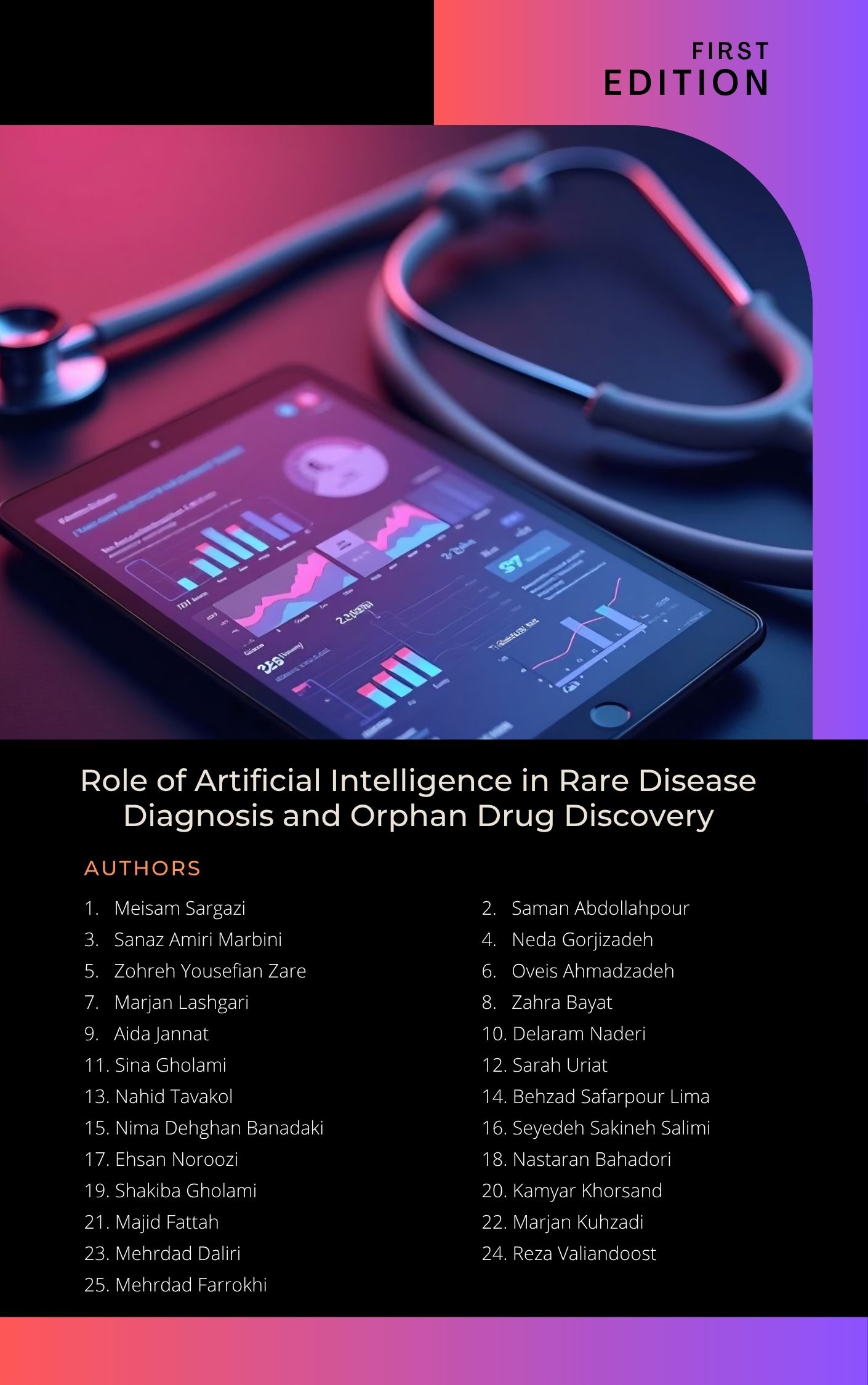
Role of Artificial Intelligence in Rare Disease Diagnosis and Orphan Drug Discovery
Keywords:
Artificial Intelligence, Medical Diagnosis, Computational Drug DiscoveryAbstract
Artificial intelligence (AI) has emerged as a transformative technology in healthcare, offering innovative solutions for the diagnosis and treatment of rare diseases. Rare diseases collectively affect hundreds of millions of individuals worldwide, yet each individual condition often impacts only a small population. This rarity leads to limited clinical expertise, fragmented patient data, delayed diagnoses, and insufficient therapeutic development. AI addresses many of these challenges by analyzing complex biomedical datasets, identifying subtle disease patterns, and accelerating the discovery of novel therapeutic candidates, including orphan drugs. In rare disease diagnosis, AI algorithms integrate diverse sources of information, including electronic health records, medical imaging, laboratory findings, genomic sequencing, proteomic profiles, and clinical phenotypes. Machine learning and deep learning models can detect hidden associations among these heterogeneous data types, enabling earlier and more accurate identification of rare disorders. Natural language processing further enhances diagnostic capabilities by extracting valuable clinical information from unstructured medical records and published literature. AI-driven clinical decision support systems can also assist physicians by generating differential diagnoses, prioritizing genetic variants, and recommending appropriate confirmatory tests, thereby shortening the diagnostic journey that many patients experience. AI has become equally important in orphan drug discovery, a field historically hindered by limited commercial incentives, scarce biological knowledge, and small patient populations. Machine learning models can identify disease-associated molecular targets, predict protein structures, analyze biological pathways, and evaluate drug-target interactions with remarkable speed and accuracy. These computational approaches reduce reliance on traditional trial-and-error methods while improving the efficiency of preclinical research. AI also facilitates drug repurposing by identifying approved medications with potential efficacy against rare diseases based on molecular similarities, gene expression signatures, and network pharmacology analyses. Drug repurposing is particularly valuable because existing safety profiles can substantially reduce development time and costs. Generative AI and advanced computational modeling have further expanded opportunities for orphan drug development by designing novel molecules with desirable pharmacological properties and predicting their biological activity before laboratory validation. AI-powered virtual screening enables researchers to evaluate millions of chemical compounds rapidly, identifying promising candidates for experimental testing. Additionally, AI contributes to biomarker discovery, patient stratification, and clinical trial optimization by identifying individuals who are most likely to respond to specific therapies, an essential consideration given the limited number of patients available for rare disease studies. Despite these advances, important challenges remain. AI models require high-quality, standardized, and representative datasets, which are often difficult to obtain for rare diseases because of their low prevalence and fragmented data sources. Concerns regarding data privacy, algorithm transparency, interpretability, regulatory approval, and potential biases must also be addressed before widespread clinical implementation. Nevertheless, continued advances in multimodal AI, federated learning, international data sharing, and explainable AI are expected to overcome many of these limitations. As these technologies mature, AI will play an increasingly central role in improving diagnostic accuracy, accelerating orphan drug discovery, enabling precision medicine, and ultimately enhancing clinical outcomes for patients living with rare diseases.
References
1. Abbara S, Crabol Y, de Bouillé JG, Dinh A, Morquin D. Artificial intelligence and infectious diseases: Scope and perspectives. Infect Dis Now. 2025;55(7):105131.
2. Abbas M, Parayangat M, Al-Hamami MAH, Elshafie H, Al-Shamri MYH, Resmi R. Emerging Approaches in Data-Driven Drug Discovery for Rare Diseases. Curr Drug Metab. 2025;26(8):561-77.
3. Abbas SR, Abbas Z, Zahir A, Lee SW. Advancing genome-based precision medicine: a review on machine learning applications for rare genetic disorders. Brief Bioinform. 2025;26(4).
4. Abu Bakar N, Hamzan NI. Advancement in Clinical Glycomics and Glycoproteomics for Congenital Disorders of Glycosylation: Progress and Challenges Ahead. Biomedicines. 2025;13(8).
5. Afif S, Mahmood Z, Zaheer A, Azadi JR. Beyond the norm: Exploring the diverse facets of adrenal lesions. Curr Probl Diagn Radiol. 2026;55(1):137-47.
6. Ahuja S, Kanwar D, Silakari P, Sahu SK, Kaur P. Medicinal Chemistry Perspectives on Drug Repurposing: Innovative Approaches and Therapeutic Breakthrough. Ther Innov Regul Sci. 2026.
7. Akanbi OS, Shannon JP, Delhommelle J, Desgranges C. Mini Review: Synergizing Driven Quantum Dynamics, AI, and Quantum Computing for Next-Gen Materials Science. J Phys Chem Lett. 2025;16(45):11821-32.
8. Akbulut S, Colak C. Edge learning applications in the prediction and classification of combined hepatocellular-cholangiocarcinoma: A comprehensive narrative review. World J Clin Oncol. 2025;16(7):107246.
9. Al-Asi H, Yilmaz I, Reynolds J, Agarwal S, Nassar A, Zubair A, et al. Pathology Foundation Models: Evolution, Current Landscape, Challenges and Opportunities from a Technical and Clinical Perspective. Bioengineering (Basel). 2026;13(5).
10. Albu S, Roman A. Navigating the Treatment Landscape of Odontogenic Sinusitis: Current Trends and Future Directions. Medicina (Kaunas). 2025;61(12).
11. Alheggi A. Artificial Intelligence in Inherited Epidermolysis Bullosa: Current Evidence, Challenges, and Future Directions. Diagnostics (Basel). 2026;16(13).
12. Ali K, Ali AE, Alayyat A, Awad MK, Majeed H, Amer MS, et al. Cardiac Amyloidosis in the Real World: Clinical Presentations, Disease Overlap, and Therapeutic Imperatives. Rev Cardiovasc Med. 2025;26(10):42514.
13. Almobayed A, Badla O, Muthu PJ, Alba D, Antonietti M, Galor A, et al. Artificial Intelligence for Diagnostic Guidance in Ocular Surface Disorders. J Clin Med. 2026;15(5).
14. AlSaad R, Elhenidy A, Tabassum A, Odeh N, AboArqoub E, Odeh A, et al. Artificial Intelligence in Gestational Diabetes Care: A Systematic Review. J Diabetes Sci Technol. 2025:19322968251355967.
15. Amarapathy S, Tyagi S. Multi-omics applications in health and diseases. Prog Mol Biol Transl Sci. 2026;221:43-70.
16. Amiot F, Potier B. Artificial Intelligence (AI) and Emergency Medicine: Balancing Opportunities and Challenges. JMIR Med Inform. 2025;13:e70903.
17. Amorim AMB, Orzeł U, Caniceiro AB, Rosário-Ferreira N, Moreira IS. Artificial intelligence in rare diseases: toward clinical impact. Trends Pharmacol Sci. 2025;46(12):1241-68.
18. Aramouni K, Jabbour K, Charbel N, Hammoud R, Klim J, Taher A, et al. Artificial Intelligence Applications in Haemophilia Care: A Narrative Review of the Literature. Haemophilia. 2026;32(1):7-14.
19. Ardeshir-Larinani F, Ashrafian L, Chiappetta M, Mansilla D, Mariani AW, Menis J, et al. Challenges and Controversies in the Diagnosis and Management of Thymic Epithelial Tumors from the Thymic Tumor Subcommittee of the International Association for the Study of Lung Cancer Rare Tumors Committee. J Thorac Oncol. 2026;21(5):103611.
20. Ardila CM, Pineda-Vélez E, Vivares-Builes AM, Díaz-Laclaustra AI. Artificial-Intelligence-Based Radiologic, Histopathologic, and Molecular Models for the Diagnosis and Classification of Malignant Salivary Gland Tumors: A Systematic Review and Functional Meta-Synthesis. Med Sci (Basel). 2026;14(2).
21. Asaturova A, Pinto J, Polonia A, Karpulevich E, Mattias-Guiu X, Eloy C. Artificial Intelligence Tools for Supporting Histopathologic and Molecular Characterization of Gynecological Cancers: A Review. J Clin Med. 2025;14(21).
22. Attachaipanich T, Virk HUH, Khawaja M, Alam M, Hira RS, Doll JA, et al. A practical approach to the management of percutaneous coronary intervention complications. Front Cardiovasc Med. 2026;13:1760313.
23. Awan AI, Waheed N, Zahra R, Dad A, Singh D. Postmarketing Safety of Transcranial Magnetic Stimulation: A 10-Year MAUDE Database Analysis of Adverse Events and Technological Advancements. J Clin Psychiatry. 2026;87(2).
24. Ayupova AI, Solovyeva VV, Issa SS, Fayoud HJ, Rizvanov AA. Surrogate Biomarkers in Gene Therapy for Orphan Diseases: Validation, Application, and Regulatory Aspects. Int J Mol Sci. 2025;26(20).
25. Badawi MA. Artificial intelligence in blood donor management: A narrative review. Vox Sang. 2026;121(4):406-16.
26. Bakhshian A, Ghorghanlu S, Atanaki FF, Ezadyar EE, Ashkiyan A, Etemadi A, et al. AI-driven neoantigen identification: a comprehensive review from somatic variant calling to T cell recognition. J Transl Med. 2026.
27. Barzowska-Gogola A, Staniszewska-Ślęzak E, Budziaszek J, Górska-Ratusznik A, Baliś A, Łucki M, et al. Advancing Label-Free Imaging Through CARS Microscopy: From Signal Formation to Biological Interpretation. Int J Mol Sci. 2026;27(4).
28. Bayar Muluk N. Artificial Intelligence in Facial Plastic Procedures. Clin Otolaryngol. 2026;51(1):1-6.
29. Bellanti JA. Is it time for the A/I (allergist/immunologist) to embrace AI (artificial intelligence) in diagnosis and treatment of the inborn errors of immunity? Allergy Asthma Proc. 2025;46(5):354-61.
30. Benesch Vidal ML, Arvanitaki A, Diller GP. The role of artificial intelligence and mobile health in diagnosis and management of pulmonary arterial hypertension. Int J Cardiol Congenit Heart Dis. 2025;22:100622.
31. Beura A, Dakal TC, Rajguru MS, Manjunath GK, Mahalingam S, Kumar A. Transformative Applications and Innovations in Next-Generation Sequencing Data Analysis. J Appl Genet. 2026.
32. Binder N, Khavaran A, Sankowski R. Primer on machine learning applications in brain immunology. Front Bioinform. 2025;5:1554010.
33. Błaszkiewicz J, Madej-Pilarczyk A, Ciara E. Artificial intelligence in neurofibromatosis type I: diagnostic and therapeutic opportunities. J Appl Genet. 2026.
34. Bodner R, Lim K, Schneider R, Torous J. Efficacy and risks of artificial intelligence chatbots for anxiety and depression: a narrative review of recent clinical studies. Curr Opin Psychiatry. 2026;39(1):19-25.
35. Branda F, Ahmed MM, Ciccozzi M, Guzzi PH, Scarpa F. The next paradigm in bioinformatics: a review of multi-agent systems and foundational models for end-to-end scientific discovery. Brief Bioinform. 2026;27(3).
36. Büdeyri I, Ramspott JP, Juratli MA, Pascher A, Hoelzen JP. When seconds matter - introducing a surgical salvage strategy by emergency robotic surgery: a review. Patient Saf Surg. 2026;20(1).
37. Burgess AW, Cornstubble SV, Constantine SM, Burgess AA. The Menendez Brothers and Shifting Attitudes Over 35 Years. Am J Nurs. 2026;126(4):34-44.
38. Byrne ML, Cozowicz C, Memtsoudis SG, Mariano ER, Elkassabany NM. Unlocking the Potential of Big Data and Artificial Intelligence in Regional Anesthesiology and Acute Pain Medicine. Anesthesiol Clin. 2025;43(4):785-97.
39. Calastra CG, Ayechu Abendaño A, Barna RA, Orellana F, Baffelli S, Aiyangar A, et al. The Role of Angiographic Imaging in the Treatment of Spinal Vascular Malformations. Med Sci (Basel). 2025;13(4).
40. Calcaterra V, Guardamagna L, Gatti A, Rossi V, Patanè P, Marin L, et al. Digital twins in healthcare: A systematic review of current applications, frameworks, and future directions. Digit Health. 2026;12:20552076261415934.
41. Callista VA, Hatware KV, Ingle PV. Insights into the Diagnosis, Treatment, and Management of Prion Diseases. CNS Neurol Disord Drug Targets. 2026;25(1):25-38.
42. Camou F, Berger MG. Gaucher disease, state of the art and perspectives. J Intern Med. 2025;298(3):155-72.
43. Campochiaro C, Vonk MC, Osborne T, Lazzaroni MG, Hughes M, Santiago T, et al. What have we learned about systemic sclerosis from the EUSTAR database? Curr Opin Rheumatol. 2026;38(1):53-9.
44. Cant R, Ryan C, Chugh R. Artificial Intelligence Technologies in Nursing Clinical Decision-Making: An Umbrella Review. J Adv Nurs. 2026.
45. Cao Y, Li Y, Wang M, Wu Y, Shi S, Wang C, et al. Epidemiological shifts and advances in research on early diagnosis of invasive fungal infection in critically ill patients. Front Cell Infect Microbiol. 2025;15:1658476.
46. Cardoso ML, Martiniano H, Mota-Vieira L, Vicente AM. Genomics in Health and Biomedicine. Adv Exp Med Biol. 2026;1504:329-56.
47. Carnazzo SM, Balconara D, La Quatra M, Praticò AD. Artificial Intelligence in Neonatal Hip Ultrasound: A Scoping Review of Methods and Clinical Evidence. J Paediatr Child Health. 2026.
48. Casal-Guisande M, Villar-Aguilar L, Fernández-Villar A, García-Rodríguez E, Casal A, Torres-Durán M. Applications of Artificial Intelligence in Alpha-1 Antitrypsin Deficiency: A Systematic Review from a Respiratory Medicine Perspective. Medicina (Kaunas). 2025;61(10).
49. Castagnoli R, Votto M, Taietti I, Delgado-Dolset MI, Fernández-Santamaría R, Jimenez Freites M, et al. Bridging Rare to Common Diseases: Precision Medicine and the Transforming Landscape of Pediatric Allergy and Immunology. Pediatr Allergy Immunol. 2026;37(6):e70407.
50. Chan B, Kim B, Schonfeld E, Nageeb G, Pant A, Sjoholm A, et al. Publicly Available Datasets for Artificial Intelligence in Neurosurgery: A Systematic Review. J Clin Med. 2025;14(16).
51. Chang X, Jiang X, Wang K, Xu HL, Chen D, Kong M, et al. Biocontrol strategies for fungal diseases of Ganoderma lucidum: from antagonistic microbes and synthetic communities to intelligent technologies. Front Microbiol. 2026;17:1813967.
52. Chang YC, Nixon B, Souza F, Cardoso FN, Dayan E, Geiger EJ, et al. The Desmoid Dilemma: Challenges and Opportunities in Assessing Tumor Burden and Therapeutic Response. Curr Oncol. 2025;32(5).
53. Changalidis A, Barbitoff Y, Nasykhova Y, Glotov A. A systematic review on the generative AI applications in human medical genetics. Front Genet. 2025;16:1694070.
54. Chen K, Lai J, Luo Y, Li C, Wang G. Artificial intelligence optimizes immune rejection prediction and management in heart transplantation: a structured narrative review. Front Cardiovasc Med. 2026;13:1790244.
55. Chen M, Li Y, Liao L, Du X. Thymic epithelial tumors: a narrative review of diagnostic and therapeutic advances. Transl Cancer Res. 2026;15(3):213.
56. Chen X, Burgun A, Boyer O, Knebelmann B, Garcelon N. Artificial intelligence and perspective for rare genetic kidney diseases. Kidney Int. 2025;108(3):388-93.
57. Chen X, Yang M, Huang Y, Tu J, Cai Y, Yuan X. Molecular mechanisms underlying the abscopal effect induced by radiotherapy and its synergistic translational potential with immunotherapy. Ther Adv Med Oncol. 2025;17:17588359251387534.
58. Chen Z, Tang Z, Ewing RM, Belkhatir Z, Wang Y. Artificial intelligence in respiratory medicine: From diagnosis to treatment and future directions. Chin Med J Pulm Crit Care Med. 2026;4(2):99-116.
59. Chen ZL, Wang C, Wang F. Revolutionizing gastroenterology and hepatology with artificial intelligence: From precision diagnosis to equitable healthcare through interdisciplinary practice. World J Gastroenterol. 2025;31(24):108021.
60. Cheng J, Anne R, Chen YC. Transforming microfluidics for single-cell analysis with robotics and artificial intelligence. Lab Chip. 2025;25(23):6100-25.
61. Christodoulou RC, Pitsillos R, Petrou V, Sarquis MD, Papageorgiou PS, Solomou EE. Central Nervous System Involvement in Acute Myeloid Leukemia: From Pathophysiology to Neuroradiologic Features and the Emerging Role of Artificial Intelligence. J Clin Med. 2026;15(3).
62. Chung T. Combined hepatocellular-cholangiocarcinoma: a contemporary pathologic and molecular perspective. J Liver Cancer. 2026;26(1):1-8.
63. Chung VH, Bernier P, Hudon A. Mass Media Narratives of Psychiatric Adverse Events Associated With Generative AI Chatbots: Rapid Scoping Review. JMIR Ment Health. 2026;13:e93040.
64. Churin AA, Sokolyanskaya LO, Lukina AP, Karnachuk OV. Current Concepts in Probiotic Safety and Efficacy. Nutrients. 2026;18(4).
65. Ciechomska M, Oldak M, Massalska M. Transcriptomics and AI-driven approaches to the diagnosis and treatment of rheumatoid arthritis. Front Immunol. 2026;17:1812290.
66. Ciolfi A, Ferilli M, Cappelletti C, Tartaglia M. Advancing epigenetic signatures as functional biomarkers in rare diseases. Epigenomics. 2025;17(18):1525-35.
67. Cipriano L, Angelini C, Maria Santorelli F. Hereditary spastic paraplegia: from decades of therapy to future innovations. Ther Adv Neurol Disord. 2026;19:17562864251406589.
68. Collaco BG, Prabha S, Gomez-Cabello CA, Haider SA, Genovese A, Wood NG, et al. Explainable Agentic Artificial Intelligence in Healthcare: A Scoping Review. Bioengineering (Basel). 2026;13(5).
69. Consorti G, Catarzi L, Frosolini A, Vaira LA, Committeri U, Cirignaco G. Artificial intelligence in oral and maxillofacial surgery: a scoping review of clinical applications, ethical challenges, and legal considerations. Int J Oral Maxillofac Surg. 2026;55(7):756-73.
70. Crimi M, Bianca S. Transforming clinical trials in rare genetic diseases through telemedicine. J Community Genet. 2026;17(3).
71. Cui J, Yang S, Yi L, Xi Q, Yang D, Zuo Y. Recent advances in deep learning for protein-protein interaction: a review. BioData Min. 2025;18(1):43.
72. Danilov A, D'Angelo L, Marsela E, Costabel JP, Jorde UP, Rochlani Y. Transthyretin cardiac amyloidosis: advances and ambiguities. Heart Fail Rev. 2025;30(6):1341-52.
73. Darkhor P, Hashemi B, Farajollahi A, Jodeiri A, Ghasemi A. Advancing radiotherapy with deep Learning: A review of dose prediction models. Phys Med. 2026;147:105827.
74. de Moraes FCA, Matheus G, de Brito Dichtl Í L, Kreuz M, da Silva ER, Burbano RMR. Deep learning for early diagnosis of uveal melanoma: a systematic review and meta-analysis. Clin Transl Oncol. 2026;28(7):2854-63.
75. Devi A, Pathak V, Dwibedi V, Singh J, Pathak AK, George N, et al. Integrating single-cell RNA sequencing with multi-omics to decode disease microenvironments. Mol Biol Rep. 2026;53(1).
76. Di J, Zhou Y, Hu J. Molecular reprogramming in thymic neuroendocrine tumors: a narrative review. Mediastinum. 2025;9:32.
77. Diakite S, Norman PE, Kamara L, Pehlivan N, Zargar M. Genetic enhancement of root, tuber and cereal crops via pangenomics, multi-omics integration and AI-driven prediction. Front Plant Sci. 2026;17:1793924.
78. Dietrich N, Stubbert B. Artificial intelligence for chest imaging in hantavirus pulmonary syndrome: A review of practical considerations for rare-disease imaging. Clin Imaging. 2026;138:110895.
79. Dillman JR, Lindquist DM. Quantitative MRI of pediatric chronic kidney disease and renal fibrosis: potential non-invasive clinical biomarkers. Pediatr Radiol. 2026.
80. Dimitri P. Artificial intelligence for child health: current capabilities and the next frontier. Arch Dis Child. 2026.
81. Domingos DA, Martins AC, Matias P, Gil C. Digital Transformation in Healthcare and Nephrology. Cureus. 2026;18(1):e102297.
82. Dubuc A, Renne T, Huguet G, Jacquemont S, Nowakowski T. Linking rare variants to cell-type function in profound autism with brain transcriptomics and foundation models. Cell Genom. 2026;6(4):101192.
83. Duci M, Bossi A, Uccheddu F, Fascetti-Leon F. A roadmap of artificial intelligence applications in pediatric surgery: a comprehensive review of applications, challenges, and ethical considerations. Pediatr Surg Int. 2025;41(1):286.
84. Ebrahim NAA, Farghaly TA, El-Sherif AA, Fahmy AM, Othman MO, Tahoun NS, et al. Clinicopathological insights and management of liver metastases: Current advances and future perspectives. World J Hepatol. 2025;17(10):110026.
85. Edvardsson M, Heenkenda MK. Precision Medicine: Personalizing Healthcare by Bridging Aging, Genetics, and Global Diversity. Healthcare (Basel). 2025;13(13).
86. Ekins S, Lane TR. Applications of artificial intelligence in drug discovery for neurological diseases. Neurotherapeutics. 2025;22(4):e00624.
87. El-Khoury R, Zaatari G. The Rise of AI-Assisted Diagnosis: Will Pathologists Be Partners or Bystanders? Diagnostics (Basel). 2025;15(18).
88. Elendu C, Amaechi DC, Elendu TC, Amaechi EC, Elendu ID, Omokore OA, et al. The legal and ethical considerations in cross-border telesurgical procedures. Ann Med Surg (Lond). 2025;87(6):3660-72.
89. Ercan Emreol H, Yildirim-Toruner C, Jelusic M, Twilt M, Ozen S. New avenues in childhood vasculitis. Pediatr Rheumatol Online J. 2025;23(1):97.
90. Eriakha EB, Han Y, Li M, Li J, Huang Y. Machine learning for predicting treatment response to biologic and targeted synthetic disease-modifying antirheumatic drugs in rheumatoid arthritis: a scoping review. BMC Rheumatol. 2025;9(1):132.
91. Esteve Domínguez AS, Dimmers M, Mulders TA, Dumoulin D, De Ruysscher D, Peeters S, et al. Artificial intelligence for diagnosis and prognosis of thymic epithelial tumors: a systematic review. Mediastinum. 2025;9:27.
92. Fahad N, Rabbi RI, Benta Hasan S, Sultana Prity F, Ahmed R, Ahmed F, et al. Generative AI in clinical (2020-2025): a mini-review of applications, emerging trends, and clinical challenges. Front Digit Health. 2025;7:1653369.
93. Fantin A, Castaldo N, Crisafulli E, Sartori G, Patrucco F, Grosu HB, et al. Pleural Mesothelioma Diagnosis for the Pulmonologist: Steps Along the Way. Cancers (Basel). 2025;17(23).
94. Fazio A, Leonardi R, Aliotta L, Lo Bianco M, Anastasio G, Messina G, et al. Genetic, Clinical and Neuroradiological Spectrum of MED-Related Disorders: An Updated Review. Genes (Basel). 2025;16(12).
95. Fernicola A, Parmeggiani D, Crocetto F, Shafeea MS, Cece A, Calogero A, et al. Artificial intelligence applied to achalasia: an emerging frontier in precision motility care? State of the art and future prospects. J Basic Clin Physiol Pharmacol. 2026;37(3):157-67.
96. Ferrandino M, Cerrato Y, Iannuzzo G, Calcaterra IL, Di Minno MND, Fortunato G, et al. Genetic Influence on LDL-Cholesterol Levels: Role of Polygenic Risk Scores and Lp(a) Beyond Monogenic Hypercholesterolemia. Genes (Basel). 2026;17(6).
97. Fiore P, Calimeri T, Ferreri AJM. SOHO State of the Art Updates and Next Questions | Management of Primary Central Nervous System Lymphoma. Clin Lymphoma Myeloma Leuk. 2026;26(7):e876-e84.
98. Flores Alarcón JL, Schouwenaars R, Ortiz A, Ruiz-Huerta L, Azamar MF, Figueroa IA. Modelling the Mechanical Properties of Architected Cellular Solids for Structural Applications: A Review. Materials (Basel). 2026;19(13).
99. Fotopoulos D, Ladakis I, Filos D, Moreno-Sánchez PA, van Gils M, Chouvarda I. Explainable AI in Cancer Imaging: Scoping Review of Methods, Modalities, and Clinical Integration. J Med Internet Res. 2026;28:e80645.
100. Fraissinet F, Charpentier T, Girot H, Brunel V, Prévost G, Lopez AG. Biochemical diagnosis of pheochromocytoma and paraganglioma: analytical challenges and perspectives for optimization. Clin Chim Acta. 2026;590:121073.
101. Frank J, Nesterovitch N, Movva C, Klimas NG, Nathanson L. Toward a Molecular Reclassification of Myalgic Encephalomyelitis/Chronic Fatigue Syndrome: Integrating Multi-Omics, Machine Learning, and Precision Medicine. Int J Mol Sci. 2026;27(10).
102. Fuchs B, Heesen P. Data-Driven Defragmentation: Achieving Value-Based Sarcoma and Rare Cancer Care Through Integrated Care Pathway Mapping. J Pers Med. 2025;15(5).
103. Furuya TK, Murillo Carrasco AG, Uno M, Arruda GVP, El Hayek KKR, Alves MJF, et al. MicroRNAs in penile cancer: challenges, opportunities, and translational perspectives. Crit Rev Oncol Hematol. 2026;222:105274.
104. Gao Y, Duan Q, Wei Y, Hou X, Fu H, Wang S, et al. Emerging liquid biopsy markers in thyroid cancer: from isolation technologies to clinical translation. Front Endocrinol (Lausanne). 2026;17:1757547.
105. Ghanbari H, Bayan N, Rahimi S, Salari F, Toghyani DolatAbadi M, Soleimani M. Artificial Intelligence in Ocular Surface Tumors: Current Advances, Challenges, and Future Directions. Diagnostics (Basel). 2026;16(7).
106. Ghiță AI, Silberschmidt VV, Ioniță M. Comparative Molecular Insights and Computational Modeling of Multiple Myeloma and Osteosarcoma. Int J Mol Sci. 2026;27(8).
107. Giacon M, Terrazzino S. Predicting Pharmacological Treatment Response in Migraine Using AI/ML: A Scoping Review of the Evidence and Future Directions. Pharmacotherapy. 2026;46(2):e70085.
108. Gill G, Taylor Gonzalez D, Sanghvi H, Djulbegovic M, Suleiman A, Gupta S. Artificial intelligence for posterior capsule opacification. Front Med (Lausanne). 2025;12:1695525.
109. Grah JS, Irrgang C, Schaade L, Ladewig K, Körber N. [Applications, challenges and a trustworthy use of artificial intelligence in public health]. Bundesgesundheitsblatt Gesundheitsforschung Gesundheitsschutz. 2025;68(8):880-8.
110. Gresele P, Falcinelli E, Bury L. Investigation of Bleeding Disorders: When and How Should We Test Platelet Functions? Hamostaseologie. 2025;45(4):335-46.
111. Guermazi D, Khemchandani S, Wahood S, Nguyen C, Saliba E. Translating Features to Findings: Deep Learning for Melanoma Subtype Prediction. Dermatopathology (Basel). 2025;12(4).
112. Guo E, Sanguinetti RD, Boone L, Deng J, Shakil H, Gupta M. Artificial intelligence and chordoma: A scoping review of the current landscape and future directions. Brain Spine. 2025;5:104271.
113. Gupta A, Fanni SC, Veiga-Canuto D, Guarnera A. Foundation models in radiology: a primer for pediatric radiologists. Pediatr Radiol. 2026.
114. Gupta A, Malhotra D. Advancing rare neurological disorder diagnosis: Addressing challenges with systematic reviews and AI-driven MRI meta-trans learning framework for neurodegenerative disorders. Ageing Res Rev. 2025;111:102831.
115. Gurnani B, Kaur K. Post-market surveillance of ophthalmic implants: role of real-world evidence. Expert Rev Med Devices. 2025;22(12):1303-8.
116. Halimi A, Msherghi A, Nounou MV, Elhabbasi BM, Abdulrahman B, Abouelella A, et al. Artificial intelligence performance in image-based biliary atresia identification: a systematic review and meta-analysis. Eur J Radiol. 2026;195:112651.
117. Haller S, Hedderich D, Federau C, Weisstanner C, Edjlali M, Cauter SV, et al. The Current Status of AI-accelerated MRI Techniques in Clinical Use. Radiology. 2025;317(2):e243819.
118. Han T, He Q, Zhai G, Cai X. Antimicrobial discovery from underexplored environments: unlocking specialized metabolism. Curr Opin Microbiol. 2026;91:102745.
119. Happ MF, Lindsay CV, Onyeji C, Soto AL, Harb MG, Kaplan S, et al. Artificial intelligence in rare pediatric solid tumor research and clinical care: A scoping review. J Pediatr Surg. 2026;61(7):163140.
120. Hasjim BJ, Koivu A, Sagheb M, Xu W, Lee JY, Sidhu A, et al. Clinical trials and evaluation of AI tools in solid organ transplantation: implications for clinical care, regulatory science, and rare diseases. NPJ Digit Med. 2026.
121. Hermans C. Artificial Intelligence in Haemophilia Care: A Narrative Review of Current Evidence and Future Opportunities. Haemophilia. 2026.
122. Hindley G, Koch EM, Parker N, Shadrin AA, Smeland OB, Frei O, et al. Genetics of bipolar disorder: Translating discoveries to biological insights and clinical decision support. Psychiatry Clin Neurosci. 2026;80(7):536-45.
123. Hoda RS, Wen HY. Twisted Tapestry of Tumors: Updates in Molecular Pathology of Breast Tumors. Surg Pathol Clin. 2026;19(2):285-96.
124. Houmenou CT, Sokhna C, Fenollar F, Mediannikov O. Advancements and challenges in bioinformatics tools for microbial genomics in the last decade: Toward the smart integration of bioinformatics tools, digital resources, and emerging technologies for the analysis of complex biological data. Infect Genet Evol. 2025;136:105859.
125. Huang LQ, Zheng H, Yuan Y, Guo J. [Molecular Pharmacognosy revisited: charting a new course after three decades]. Zhongguo Zhong Yao Za Zhi. 2026;51(1):1-9.
126. Huang W, Wang X, Chen Y, Yu C, Zhang S. Advancing drug-drug interactions research: integrating AI-powered prediction, vulnerable populations, and regulatory insights. Front Pharmacol. 2025;16:1618701.
127. Huang X, Huang S, Reina C, Šabanović B, Roberto M, Aicher A, et al. Single-cell multi-omics and machine learning for dissecting stemness in cancer. Brief Bioinform. 2025;26(5).
128. Humbert M, Zeder K, Kovacs G, Weatherald J. Transforming Pulmonary Arterial Hypertension: Key Milestones and Future Perspectives. Circulation. 2026;154(2):156-77.
129. Huynh S, Wan EL, Pham A, Yoon R, Dorris S, Yazigi N, et al. Rare disease education in medical schools: patient-centered and innovative strategies. Orphanet J Rare Dis. 2025;20(1):596.
130. Hwang JC, Peacker BL, Hartman RI. Screening and novel diagnostic technologies for melanoma: an update. Melanoma Manag. 2025;12(1):2536999.
131. Ilić N, Sarajlija A. Artificial Intelligence in the Diagnosis of Pediatric Rare Diseases: From Real-World Data Toward a Personalized Medicine Approach. J Pers Med. 2025;15(9).
132. Indolfi C, Agostoni P, Barillà F, Barison A, Benenati S, Bilo G, et al. Expert consensus document on artificial intelligence of the Italian Society of Cardiology. J Cardiovasc Med (Hagerstown). 2025;26(5):200-15.
133. Jalali S, You Q, Xu V, Chen L, Zini J, Zamorano T, et al. The Use of Artificial Intelligence for Personalized Treatment in Psychiatry. Curr Psychiatry Rep. 2025;28(1):7.
134. Jia W, Zhang H, Cheng J, Zhang X, Han C, He Y, et al. Extraction, preparation, pharmacological activities, and potential applications of ginsenosides Rk1 and Rg5. J Ethnopharmacol. 2026;355(Pt B):120678.
135. Jin X, Zhang Y, Zhu Y, Zhang Z, Shi C. Preclinical and Virtual Models of Mucosal Melanoma: Bridging Translational Gaps in a Rare and Lethal Cancer. Pigment Cell Melanoma Res. 2026;39(4):e70094.
136. Josephson CB, Beniczky S, Denaxas S, Ikeda A, Jehi L, Mwesige AK, et al. A call for ethical, equitable, and effective artificial intelligence to improve care for all people with epilepsy: A roadmap. A report by the ILAE Global Advocacy Council and Big Data Commission. Epilepsia. 2026;67(4):1555-72.
137. Kadam H, Vora A, Sharma S. Companion diagnostic: An overview of regulatory framework, challenges, and future directions. Ann Pharm Fr. 2026;84(2):149-60.
138. Kan HM, Chen LP, Zhang Y, Hong HY, Qin YY, Cui YG, et al. Facial expression recognition for emotion perception: A comprehensive science mapping. Ibrain. 2026;12(1):38-51.
139. Kandil H, Arafa M, Kaya C, Wyns C, Le TV, Hamoda T, et al. Artificial Intelligence in Non-Obstructive Azoospermia: State of the Art in Sperm Retrieval. World J Mens Health. 2026.
140. Karwa PN, Sakle NS. RNA therapeutics 2.0: Expanding the landscape from mRNA vaccines to splicing modulators and beyond. Biotechnol Adv. 2026;89:108862.
141. Kast VJ, Navaee F, Halvaei M, Liebau S, Azoitei N, Breunig M, et al. Reconstructing tumor tissues in 3D: From organoids to bioengineered niches. Cell Stem Cell. 2026;33(4):546-70.
142. Keramida P, Syrigos NK, Kouvela M, Poulakou G, Charpidou A, Fiste O. AΙ-Driven Drug Repurposing: Applications and Challenges. Medicines (Basel). 2025;12(4).
143. Keshavarz P, Mohammadigoldar Z, Bedayat A, Raman SS, Tai R. Artificial Intelligence Education in Radiology Training: A Systematic Review of Effectiveness, Barriers, and Future Directions. Acad Radiol. 2026;33(3):695-706.
144. Khaing PT, Nakayama M. Biometric Data in Post-Traumatic Stress Disorder Detection: A Scoping Review of Digital Health Applications. Int J Med Inform. 2026;211:106289.
145. Khairy P, Fuentes Rojas S, Hermann Honfo S. Risk stratification for sudden death in congenital heart disease: bridging evidence, uncertainty, and individual decision-making. Curr Opin Cardiol. 2026;41(1):2-9.
146. Khalid AR, Ali H, Fathima K, Sonia Carole K, Kim HC. Recent Advances in AI for Automated ICD Coding: A Systematic Literature Review. J Med Syst. 2026;50(1).
147. Khalil B, Baraka M, Haghighat S, Jain S, Manila N, Ramani R, et al. Synthetic imaging in dentistry: A narrative review of deep learning techniques and applications. J Dent. 2026;165:106274.
148. Khalpey Z, Amer H, Abraham A. Decoding the Past, Informing the Future: Artificial Intelligence as a Bridge Between Ancient Egyptian Medical Knowledge and Modern Surgical Practice. Cureus. 2026;18(3):e104493.
149. Khosravi B, Purkayastha S, Erickson BJ, Trivedi HM, Gichoya JW. Exploring the potential of generative artificial intelligence in medical image synthesis: opportunities, challenges, and future directions. Lancet Digit Health. 2025:100890.
150. Kikuchi S, Sakata M, Hasegawa T, Wada S, Funada S, Makishi M, et al. Implementation of artificial intelligence in palliative and supportive care for people with cancer: A scoping review. Palliat Med. 2026;40(6):692-704.
151. Kim PH. Ultrasonographic Evaluation of Pediatric Thyroid Nodules: Adult Risk Stratification Systems, 2021 K-TIRADS Revision, and Future Refinements. Korean J Radiol. 2026;27(5):471-83.
152. Kipourgos G, Tzenalis A, Andrikopoulou-Gkila E, Kounis NG. Decoding Kounis syndrome with artificial intelligence: from diagnosis to precision medicine. Future Cardiol. 2026;22(4):405-15.
153. Konduru SKP, Bhatt A, Dasyam AK, Venigalla S, Katabathina VS, Jaganathan S. Path beyond the blind end-unravel the imaging spectrum of appendiceal pathologies. Abdom Radiol (NY). 2026.
154. Konzmann B, Henkel M, Breit C, Wetterauer C. Applications of large language models in tumor boards: a systematic review. Oncol Rev. 2026;20:1757059.
155. Kuhlen M, Hellmann F, Pfaehler E, André E, Redlich A. Artificial Intelligence and Machine Learning in Pediatric Endocrine Tumors: Opportunities, Pitfalls, and a Roadmap for Trustworthy Clinical Translation. Biomedicines. 2026;14(1).
156. Kütting D, Faron A. [Imaging of eosinophilic pneumonia : Differential diagnosis in radiological practice]. Radiologie (Heidelb). 2026;66(3):177-81.
157. Lancellotti P, Oury C. Emerging perspectives in cardiovascular medicine. Acta Cardiol. 2026;81(2):123-7.
158. Lasa JJ, Han B, Shin AY, Dorfman A, Kheir JN, Long J, et al. The Case for the Pediatric Cardiologist-Informaticist. Pediatr Cardiol. 2026;47(5):1899-916.
159. Lauschke VM, Ingelman-Sundberg M. The evolving landscape of pharmacogenomics: Current achievements and future directions. Pharmacol Rev. 2026;78(2):100122.
160. Lecchi EAL, Dashti A, Frutos-Rincón L, Palombella S, Pederzolli M, Gallar J, et al. Preclinical Models of Rare Corneal and Ocular Surface Diseases: a Comprehensive Narrative Review. Ophthalmol Ther. 2026;15(7):2125-56.
161. Leckie J, Wu S, Standell T, Yokota T. Artificial Intelligence-Driven Design of Antisense Oligonucleotides for Precision Medicine in Neuromuscular Disorders. Genes (Basel). 2025;16(12).
162. Lei C, Zuo Y, Lopes CA, Stuart J, Xu B, Liu TYA, et al. Centering the marginalized: AI-driven strategies for advancing health equity in rare disease care. Patterns (N Y). 2026;7(5):101535.
163. Leonita A, Cheng S, Warrick J, Kim IY, Deng S, Mu P. Game of clones: decipher lineage plasticity in hormone-driven cancers. Cell Mol Life Sci. 2026;83(1).
164. Li C, Dai Z, Tang WC, Gao Z, Chan VKY, Ramirez-Posada M, et al. Artificial Intelligence for Evidence Synthesis of Emerging Biologics to Improve Skeletal Health in Osteogenesis Imperfecta: Systematic Review and Meta-Analysis. J Med Internet Res. 2026;28:e85840.
165. Li C, Li L, Mu D, Ma Y, Gao Y, Li Y, et al. Advances in laboratory diagnostic studies of pheochromocytoma and paraganglioma. Clin Chim Acta. 2026;591:121100.
166. Li J, Peng J, Guo H, Zheng W, Chen R, Miao C, et al. Exosome-based liquid biopsy for rare and complex diseases. Int J Surg. 2026;112(2):4672-96.
167. Li S, Chen S, Yu X, Shang H, Tu T, Quan M. AI-Enabled Wearables for Motor Function Assessment and Rehabilitation in Parkinson Disease: Scoping Review. J Med Internet Res. 2026;28:e85596.
168. Li Y, Liu Y. Multimodal echocardiographic techniques in the diagnosis of cardiac tumors: applications and recent advances. Front Cardiovasc Med. 2026;13:1750283.
169. Li Y, Ma X, Huo YX. Codon compression and novel codon creation for multiplex non-canonical amino acid incorporation. Biotechnol Adv. 2026;91:108961.
170. Limon D, Satish V, Raghavan N, Morris MX, Muir MT, Rajesh A. Artificial Intelligence in Surgery Revisited: A 2025 Update on Machine Learning for Predicting Complications and Outcomes. Am Surg. 2026;92(3):658-74.
171. Lin TC, Yang HA, Huang RW, Lin CH. Artificial Intelligence and Machine Learning in Reconstructive Microsurgery. Semin Plast Surg. 2025;39(3):190-8.
172. Lindskog J, Heder Ternell K, Yu Y, Lindman I, Samuelsson K, Hamrin Senorski E. Artificial intelligence and machine learning in sports medicine: mapping clinical tasks and assessing clinical maturity - a scoping review. BMC Med Inform Decis Mak. 2026;26(1).
173. Liu BY, Xie M. [Application and research progress of artificial intelligence in the diagnosis and treatment of rare lung diseases]. Zhonghua Jie He He Hu Xi Za Zhi. 2026;49(1):78-83.
174. Liu T, Zhang Y, Hou W, Hao H, Geng A, Zhao G, et al. From cellular heterogeneity to precision medicine: single-cell multi-omics in CNS disease research. Front Cell Neurosci. 2026;20:1848558.
175. Liu XJ, Valdez D, Parker MA, Mai A, Walsh-Buhi ER. Quality of Cancer-Related Information on New Media (2014-2023): Systematic Review and Meta-Analysis. J Med Internet Res. 2025;27:e73185.
176. Lopez-Pedrera C, Pérez-Sánchez C, Tektonidou MG. Towards precision medicine in antiphospholipid syndrome. Lancet Rheumatol. 2025;7(8):e576-e89.
177. Low G, Qian XJ, Ramji A, Anderson B, Girgis S, Samji K, et al. An Updated Review of Combined Hepatocellular Cholangiocarcinoma: A Rare and Poorly Understood Neoplasm. Diagnostics (Basel). 2026;16(2).
178. Ma X, Wang J, Li H. Artificial intelligence in transarterial chemoembolization for hepatocellular carcinoma: from treatment response prediction to refractoriness assessment. Front Oncol. 2026;16:1822689.
179. Maciejewska M, Bętkowska A, Czuwara J, Rudnicka L, Banciu L, Tebeica T, et al. Mohs Micrographic Surgery: A Narrative Review of Current Practices, Emerging Trends, and Case-Based Insights. Adv Ther. 2025;42(11):5397-426.
180. Mahesh M, Radke NV, Agrawal R, Balaratnasingam C, Biswas J, Gupta V, et al. International Consensuses and Guidelines on Diagnosing and Managing Coats Disease by the Academia Retina Internationalis (ARI), the Asia-Pacific Vitreo-retina Society (APVRS), and the Academy of the Asia-Pacific Professors of Ophthalmology (AAPPO). Am J Ophthalmol. 2026;282:162-86.
181. Maniar R, Loehrer PJ, Sr. Potential Biomarkers in Thymic Epithelial Tumors: Thymoma and Thymic Carcinoma. J Natl Compr Canc Netw. 2026;24(4).
182. Marconi L, Pirovano E, Cabitza F. Evaluating AI Research Quality in Myasthenia Gravis: A Longitudinal Study Using the CLARITY Framework (2020-2024). J Med Syst. 2026;50(1):10.
183. Martín-Carbajo L, Hervás-Pérez JP, Moreno-Guzmán M, Sánchez-Paniagua M. Analytical approaches for the isolation and characterisation of circulating tumour cells in clinical practice. Clin Chim Acta. 2026;590:121055.
184. Maynard S, Farrington J, Raza S, Stanworth SJ. Artificial Intelligence Implementation in Transfusion Medicine: Addressing the Challenges of Clinical Adoption. Transfus Med Rev. 2026;40(1):150961.
185. Merola E, Fanciulli G, Pes GM, Dore MP. Artificial intelligence in the diagnosis of gastro-entero-pancreatic neuroendocrine neoplasms: Potential benefits and current limitations. J Neuroendocrinol. 2025;37(11):e70087.
186. Mezzalira E, Boaro MP, Reggiani G, Biondi R, Castellani G, Colombatti R. Synthetic data generation in paediatrics and paediatric nursing: what, how, and why? Int J Med Inform. 2026;209:106236.
187. Miao KH, Miao JH, Rosberger S, Dachman AH, Taouli B, Lewis SC. Advances in Imaging and Diagnosis of Emphysematous Cholecystitis. Healthcare (Basel). 2026;14(5).
188. Migliorelli A, Manuelli M, Ciorba A, Stomeo F, Pelucchi S, Bianchini C. Role of MRI-Based Radiomics in Sinonasal Cancer Management: A Scoping Review. Cancers (Basel). 2025;17(20).
189. Migliorelli A, Manuelli M, Ciorba A, Stomeo F, Pelucchi S, Bianchini C. Role of Radiomics in Parotid Malignant Disease: A Scoping Review. Cancers (Basel). 2025;17(20).
190. Mohammad-Rahimi H, Jain S, Naveed K, Hosseinpour S, Kirkevang LL, Nosrat A, et al. Generative Artificial Intelligence for Computer Vision in Endodontics: A Review of Current State and Future Potential. Int Endod J. 2026.
191. Mohammadzadeh I, Hajikarimloo B, Niroomand B, Faizi N, Faizi N, Habibi MA, et al. Artificial Intelligence-Based Radiomic Model in Craniopharyngiomas: A Systematic Review and Meta-Analysis on Diagnosis, Segmentation, and Classification. World Neurosurg. 2025;198:124050.
192. Moore BM, Roston TM, Laksman Z, Krahn AD. Updates on inherited arrhythmia syndromes (Brugada syndrome, long QT syndrome, CPVT, ARVC). Prog Cardiovasc Dis. 2025;91:130-43.
193. Mota AM. AI-Based Characterization of Breast Cancer in Mammography and Tomosynthesis: A Review of Radiomics and Deep Learning for Subtyping, Staging, and Prognosis. Cancers (Basel). 2025;17(20).
194. Mou M, Yang W, Huang G, Yang X, Zhang X, Kandegama W, et al. The Discovery of Cryptic Pockets Increases the Druggability of "Undruggable" Proteins. Med Res Rev. 2025;45(6):1818-49.
195. Naghizadeh H, Salkhori O, Akrami S, Khabiri SS, Arabzadeh A. Diagnostic challenges of carpal tunnel syndrome in patients with congenital thenar hypoplasia: a comprehensive review. J Orthop Surg Res. 2025;20(1):473.
196. Neri L, Zhang H, Usvyat LA. Artificial intelligence in kidney disease and dialysis: from data mining to clinical impact. Curr Opin Nephrol Hypertens. 2026;35(1):30-5.
197. Nguyen TT, Vu AD, Yamada S. Angioimmunoblastic T-cell lymphoma with lymphomatous effusion: Diagnostic challenges and cytology-based approaches. Histol Histopathol. 2026;41(7):1169-78.
198. Niranjane V, Kaur L, More A, Taushif Khan S, Niranjane P, Nikhade PH. Intrinsic motivation-based exploration for enhancing tuberculosis lesion discovery in sparse annotation chest X-ray datasets. Indian J Tuberc. 2025;72 Suppl 3:S61-s8.
199. Norz LM, Ammenwerth E. Biases in Healthcare AI and Their Impact on Patient Empowerment: A Scoping Review. Stud Health Technol Inform. 2026;336:539-43.
200. O'Malley D, Gupta N, McCarthy C. Current concepts in the pathogenesis and clinical management of lymphangioleiomyomatosis. Curr Opin Pulm Med. 2025;31(5):494-503.
201. Ochoa S, Oler AJ, Chinn IK, Lionakis MS. Hidden splice variants in inborn errors of immunity: Uncovering diagnoses and therapeutic targets. J Allergy Clin Immunol. 2025;156(6):1477-88.
202. Ohshiro T, Komoto Y, Taniguchi M. Beyond ensemble averages: single-entity approaches for complex systems. Anal Sci. 2026;42(2):71-7.
203. Okot M, Ahmed A, Wright CW, Nasim MT. Molecular-Genetic Basis of Pulmonary Arterial Hypertension (PAH). Curr Issues Mol Biol. 2026;48(6).
204. Oseni SO, Wang Y, Hwu P. Advancing human leukocyte antigen-based cancer immunotherapy: from personalized to broad-spectrum strategies for genetically heterogeneous populations. Trends Cancer. 2025;11(10):934-65.
205. Ottaiano A, Sabbatino F, Picone C, Di Carluccio N, Simonetti I, Di Mauro A, et al. Emerging Genomic and Immunological Correlates Defining Oligometastatic Trajectories in Intermediate/High-Grade Soft-Tissue Sarcomas. Genes (Basel). 2026;17(3).
206. Ounasser N, Rhanoui M, Mikram M, El Asri B. Deep learning-based anomaly detection in orthopedic medical imaging: A systematic literature review. J Orthop. 2025;69:329-45.
207. Owczarek-Danowska IM, Paluszek AW, Jasiński F, Bieniak M, Kubiaczyk M, Mamczak M, et al. Modern technological innovations in the management of Prader-Willi syndrome: From restrictive supervision to digital autonomy. Pol Merkur Lekarski. 2026;54(3):362-7.
208. Özçetin E, Baş SE, Özpay F. Architectural and translational perspectives on clinical decision support systems for rare disease diagnosis: a scoping review. Int J Med Inform. 2026;215:106442.
209. Padovani-Claudio DA, Bastarache L. Opportunities and challenges in leveraging multiomics and biobanks for vision science. Curr Opin Ophthalmol. 2026;37(3):236-43.
210. Pan B, Ren D, Rasool G, Brohl AS, Bui MM. Molecular Pathology of Soft-tissue Neoplasms. Surg Pathol Clin. 2026;19(2):263-74.
211. Pan Z, Chen K, Hou Y, Yang B, Zhang J, Ma Y, et al. [Research progress in clinical pathology and molecular mechanisms of pancreatic adenosquamous carcinoma]. Beijing Da Xue Xue Bao Yi Xue Ban. 2026;58(2):431-5.
212. Panzuto F, Barbi S, Trama A, Fazio N. The importance of education and training in neuroendocrine neoplasms: challenges and opportunities for multidisciplinary management. Cancer Treat Rev. 2025;139:102998.
213. Papadopoulou E, Adam S, Exarchos T. Precision Medicine Bioethics and AI Ethics: The Case of Rare Diseases. Adv Exp Med Biol. 2026;1490:165-71.
214. Parastatidou S, Sokou R, Lianou A, Tsante KA, Bikouli ED, Petrou E, et al. Guideline-based diagnosis and management of congenital platelet function disorders: Current insights and future directions. Blood Rev. 2026;76:101386.
215. Patel J, Patel D, Raval A. Artificial Intelligence for Predictive Modeling in CRISPR/Cas9 Gene Editing: a Survey of Methods and Design Strategies. J Gene Med. 2025;27(12):e70061.
216. Patel S, Nischal SA, Chai YH, Kale KM, Hines K, Heller J, et al. Machine learning-based prediction of proximal junctional pathology after adult spinal deformity surgery: a systematic review and diagnostic test accuracy meta-analysis. Acta Neurochir (Wien). 2026;168(1).
217. Pesapane F, Rotili A, Penco S, Dominelli V, Priolo F, Marinucci I, et al. Explainable Artificial Intelligence in Mammography: A Systematic Review of Methods, Evaluation Practices, and Clinical Readiness. Diagnostics (Basel). 2026;16(9).
218. Pham AN, Lindeman C, Cummings M, Aponte-Hao S, Kjelland K. Use of machine learning for chronic disease case identification in primary care settings: A scoping review of methods, validation, and clinical relevance. J Int Med Res. 2026;54(2):3000605251412076.
219. Phillips KM, Baroody FM, Alicea JR, Sedaghat AR, Laidlaw TM. Diagnosis of Acute, Chronic (with and without Nasal Polyps), and Fungal Sinusitis. Immunol Allergy Clin North Am. 2026;46(1):69-80.
220. Piekielko-Witkowska A, Elisei R, Léger J, Bendlova B, Bulanová Pekova B, Caron P, et al. EndoCompass Project: Research Roadmap for Thyroid Endocrinology. Horm Res Paediatr. 2025;98(Suppl. 2):144-57.
221. Pious N, Das S, Chakravorty A, Mini AA, Raghavan V. Gatifloxacin detection in the nanoscale: a review exploring current biosensing technologies and future opportunities. RSC Adv. 2025;15(40):33018-45.
222. Poniatowska-Roszkowska ME, Troschke T, Birkenfeld B, Piwowarska-Bilska H. Dosimetry in (177)Lu-PRRT for Neuroendocrine Tumors: Current Concepts, Clinical Relevance and Future Perspectives. J Clin Med. 2026;15(13).
223. Quero A, Knoebel R, Tahmasebi A, Bastow S. Leveraging Artificial Intelligence for Personalized Pharmacotherapy: Emerging Roles for Pharmacists. J Pharm Pract. 2026:8971900261450457.
224. Randhawa IS, Sigalov G. Mass medicine vs. personalized medicine: from mathematical methods to regulatory implications. Front Physiol. 2025;16:1649114.
225. Rattanawong P, Shen WK. Brugada syndrome risk scores: what we've learned and what's next. Front Cardiovasc Med. 2025;12:1715146.
226. Ricchi B, Jagana V, Singh E, Ochoa MT, Salamah J, Bisserier M. Advances in diagnosis and patient profiling in pulmonary arterial hypertension for precision medicine. Ther Adv Respir Dis. 2025;19:17534666251367312.
227. Rimok J, Larkin-Kaiser KA. From lab to life: Wearables, real-world data, and the future of autonomic research. Auton Neurosci. 2026;264:103377.
228. Rivière JG, Cantenys-Saba R, Carot-Sans G, Piera-Jiménez J, Butte MJ, Soler-Palacín P, et al. Current perspectives and challenges of using artificial intelligence in immunodeficiencies. J Allergy Clin Immunol. 2025;156(4):878-88.
229. Rivière JG, Pasquet M, Gambineri E. Building alliances for early detection of immunodeficiencies: from primary care to hematology. Front Immunol. 2025;16:1701384.
230. Robinson JP, Gmyrek GB, Rajwa B. Flow Cytometry: Advances, Challenges and Trends. Bioessays. 2026;48(1):e70091.
231. Romano F, Alessandrella M, Lucci R, Bocchini G, Scaglione M, Tamburrini S, et al. Beyond trauma: a case-based imaging review of spontaneous splenic rupture. Front Radiol. 2025;5:1715806.
232. Roy V. Predicting immune checkpoint inhibitor cardiotoxicity using machine learning: a systematic review of model performance and methodological quality. Cardiooncology. 2026.
233. Ryan C, Camargo C, Salan T, Pallikkuth S, Gao H, Govind V. Diagnostic utility of biomarkers in progressive supranuclear palsy: toward a biotyping framework. J Neurol. 2025;273(1):29.
234. Ryffel C, Shiri I, Gräni C. [Artificial intelligence in cardiac imaging: status and future developments]. Ther Umsch. 2026;83(2):75-80.
235. Săbău ID, Bohîlţea LC, Varlas V, Gheorghe AS, Riza M, Suciu N, et al. The evolution of prenatal Whole Exome Sequencing: from cytogenetics to precision medicine. Arch Clin Cases. 2025;12(2):80-9.
236. Saber H, Mousavipour Z. Adenoviral Vectors in Gene Therapy: A Detailed Overview. Iran Biomed J. 2026;30(1):16-35.
237. Sadanand R, Gupta N. Artificial Intelligence in Clinical Genetics: Current Applications and Challenges. Indian J Pediatr. 2026.
238. Sah AK, Choudhary RK, Sabrievna VA, Dzhuraevich KI, Abbas AM, Shalabi MG, et al. Male Breast Cancer: Epidemiology, Diagnosis, Molecular Mechanisms, Therapeutics, and Future Prospective. Oncol Res. 2025;34(1):7.
239. Sahu A, Das P, Das R, Bhattacharya I, Bhattacharya T, Mohan U, et al. Antibody display technologies from phages to cells: translational bottlenecks and AI-enabled opportunities. Front Bioeng Biotechnol. 2026;14:1789373.
240. Sallé FG, Beasley MB, Brcic L, Cooper W, Dacic S, de Perrot M, et al. Update on Pleural Epithelioid Mesothelioma: New Insights for Diagnosis and Patient Management. J Thorac Oncol. 2026;21(7):103720.
241. Sarani Rad F, Bitaraf E, Jafarpour M, Li J. Technologies, Clinical Applications, and Implementation Barriers of Digital Twins in Precision Cardiology: Systematic Review. JMIR Cardio. 2026;10:e78499.
242. Sarani Rad F, Jafarpour M, Bitaraf E, Khaleghdadi K, Li J. Digital Twin Applications in Diabetes Management: Scoping Review. JMIR Diabetes. 2026;11:e83059.
243. Sarvutiene J, Ramanavicius A, Ramanavicius S, Prentice U. Advances in Duchenne Muscular Dystrophy: Diagnostic Techniques and Dystrophin Domain Insights. Int J Mol Sci. 2025;26(8).
244. Sawesi S, Sabbineni H, Shagamreddy RR, Rashrash B. Cybersecurity and Privacy Risks of Generative AI Mental-Health Chatbots: A Systematic Review and Regulatory Framework. J Multidiscip Healthc. 2026;19:581251.
245. Sayed U, Al-Hasnaawei S, Mohaisen-Mousa H, Jyothi SR, Priyadarshini-Nayak P, Janney JB, et al. Single-cell RNA sequencing in ovarian cancer: decoding the tumor microenvironment for personalized therapy. J Ovarian Res. 2026.
246. Șerban M, Toader C, Covache-Busuioc RA. CRISPR and Artificial Intelligence in Neuroregeneration: Closed-Loop Strategies for Precision Medicine, Spinal Cord Repair, and Adaptive Neuro-Oncology. Int J Mol Sci. 2025;26(19).
247. Shear MA, Borges B, Lianoglou BR, Lum T, Canepa E, Cohen JL, et al. The Expanding Role of Gene Sequencing in Shaping Fetal Therapies: Clinical and Ethical Considerations. Prenat Diagn. 2026;46(5-6):623-35.
248. Shegal M, Hu LT, Friesen E, Minian N, Maslej M, Rodak T, et al. Conversational agent interventions in diabetes care: a systematic review. Diabetes Res Clin Pract. 2025;228:112429.
249. Shen R, Zhang Y. Relationship between amino acid metabolism and inflammation in coronary heart disease (Review). Int J Mol Med. 2025;56(2).
250. Shen S, Qi W, Liu X, Zeng J, Li S, Peng G, et al. Mapping the landscape of AI-driven digital twins in medical diagnosis: A scoping review on core technologies, applications, and implementation barriers. Artif Intell Med. 2026;180:103474.
251. Shi B, Yang P, Qiao H, Yu D, Zhang S. Extrachromosomal circular DNA drives dynamic genome plasticity: emerging roles in disease progression and clinical potential. Theranostics. 2025;15(13):6387-411.
252. Shimoi T, Kita S, Yonemori K. Cancer genome profiling in sarcomas: current status and future perspectives in Japan. Expert Rev Anticancer Ther. 2026;26(7):829-45.
253. Siderius L, Perera SD, Jankauskaite L, Bhattacharya A, Gonçalves P. Rare diseases: ethical challenges in the era of digital health. Front Digit Health. 2025;7:1539841.
254. Sieiro Santos C, Sequí-Sabater JM, Benavent D. Artificial Intelligence in Systemic Sclerosis: Clinical Applications, Challenges, and Future Directions. Arthritis Care Res (Hoboken). 2026.
255. Singh K, Mittal AK, Rajial T, Vyas V, Dwivedi P, Shekhawat DS, et al. Perspective - The Role of Peripheral Outreach Programs for Genetic Disorders for Optimizing Healthcare. Indian J Pediatr. 2026.
256. Singh K, Usman S, Zeeshan S, Yanamala N, Nichols M, Bhise V, et al. Bioinformatics and AI/ML approaches using multi-omics data to accelerate diagnosis and delivery of precision care for patients with rare diseases. Methods Cell Biol. 2026;204:109-39.
257. Soler-Palacín P, Rivière JG, Burns SO, Rider NL. New tools for diagnosis of primary immunodeficiencies: from awareness to artificial intelligence. Front Immunol. 2025;16:1593897.
258. Sonmez G, Yazarkan Y, Cagdas D. The digital keystone: how artificial intelligence is reshaping HLA research and clinical practice. Immunogenetics. 2026;78(1).
259. Spies NC, Ng DP. Performance metrics for machine learning solutions in laboratory medicine. Lab Med. 2025;56(6):597-607.
260. Spiesman BJ. Automating pollinator identification using artificial intelligence and participatory science. Curr Opin Insect Sci. 2026;77:101564.
261. Spreafico AM, Neri L, Angel K, Bellettato CM, Scarpa M. Artificial Intelligence, Connected Care, and Enabling Digital Health Technologies in Rare Diseases With a Focus on Lysosomal Storage Disorders: Scoping Review. J Med Internet Res. 2026;28:e73612.
262. Tang LY, Wu JR, Lin G. Application of ultrasound and artificial intelligence in the prediction of fetal chromosomal numerical abnormalities. Yi Chuan. 2025;47(12):1326-39.
263. Thongprayoon C, Pesce F, Cheungpasitporn W. Artificial Intelligence in Rare Diseases: Workflow-Integrated Precision Kidney Care. Clin Pract. 2026;16(6).
264. Tong J, Chen D, Li J, Chen H, Yu T. Radiotherapy for primary bone tumors: current techniques and integration of artificial intelligence-a review. Front Oncol. 2025;15:1648849.
265. Tzimourta KD. Machine Learning Algorithms in EEG Analysis of Kleefstra Syndrome: Current Evidence and Future Directions. Sensors (Basel). 2025;25(11).
266. Vaknin D, Degany O, Sisso-Avron R. [ARTIFICIAL INTELLIGENCE-ASSISTED LITERATURE REVIEW: A CASE STUDY IN FUMARATE HYDRATASE-DEFICIENT RENAL CELL CARCINOMA]. Harefuah. 2025;164(5):281-4.
267. Van LM, Chen N, Miyazawa K, Zhang M, Landersdorfer CB, Kirkpatrick CM, et al. Clinical and Quantitative Pharmacology Considerations of mRNA Therapeutics and Vaccine Development: Bridging Translational and Platform Gaps for Enhanced Decision Making. Clin Pharmacol Ther. 2025;118(6):1297-312.
268. Varje P, Väänänen A, Haavisto O, Kivimäki I, Taimela S, Kalliomäki-Levanto T. Machine learning in the analysis of mental health at work: a scoping review. J Occup Health. 2026;68(1).
269. Venezia M, Vinci M, Colomba P, Zizzo C, Duro G, Moschetti M. Mucopolysaccharidosis Type I and α-Mannosidosis-Phenotypically Comparable but Genetically Different: Diagnostic and Therapeutic Considerations. Biomedicines. 2025;13(5).
270. Vidavalur R. Neonatal hyperbilirubinemia: past lessons, current practices, and future directions. Eur J Pediatr. 2025;184(10):653.
271. Wallraven T, Günthner R, Ribeiro A, Alnemer M, Kotliar K, Lech M, et al. Retinal vessel imaging in inflammatory disease: From endothelial dysfunction to clinical evidence and translation. Prog Retin Eye Res. 2026;112:101472.
272. Wang H, Huang C, Wang Y, Liu Y. Preoperative Imaging Assessment of Lymphovascular Invasion in Breast Cancer: Current Evidence, Technical Advances, and Future Directions. Breast Cancer (Dove Med Press). 2025;17:1051-62.
273. Wang Q, Wang B. Differentiating Autoimmune Pancreatitis From Pancreatic Cancer: Current Evidence and Emerging Diagnostic Technologies. Br J Hosp Med (Lond). 2026;87(3):52081.
274. Wang R, Zhu C, Zheng F, Liao C. Single-entity analysis of therapeutic nanoparticles: from orthogonal metrology to AI. Nanomedicine (Lond). 2026;21(12):1761-74.
275. Farrokhi M, Daliri M, Valiandoost R, Darbani R, Nasiri SM, Gheshlaghi P, et al. Role of AI in Health Economics: Reducing Costs in Global Health Through Innovations. Kindle. 2026;6(1):1-214.
276. Gorjizadeh N, Tavousi N, Talebi S, Moallem M, Gheibi M, Bagherzadeh S, et al. Mechanistic AI in Medicine: Discovery of Mechanisms and Origins of Diseases: PreferPub; 2026.
277. Farrokhi M, Abdollahpour S, Marbini SA, Taheri N, Sahebi S, Asadi F, et al. AI for Holistic Medicine: Understanding Multi-Organ Interactions in Cancers. PreferPub. 2026;6(1):1-186.
278. Farrokhi M, Abbasmofrad H, Karami M, Hezarani HB, Alemohammad SS, Atighi J, et al. AI for Self-Diagnosis, Self-Monitoring, and Personalized Medicine. Kindle. 2026;6(1):1-226.
279. Tahavvori A, Chelan RJ, Aminoleslami S, Moghadam OF, Haghighi L, Abdian Y, et al. Large Language Models and ChatGPT in Medical Sciences: Foundations, Capabilities, and Challenges. Kindle. 2025;5(1):1-222.
280. Ramezanian M, Benis DS, Nikakhtar R, Gorjizadeh N, Asadi F, Bagherianlemraski M, et al. Artificial Intelligence in Genomic Medicine: Improving Diagnostic Accuracy and Treatment Outcomes. Kindle. 2025;5(1):1-215.
281. Rahmani E, Farrokhi M, Aghajan A, Gholampour G, Ghoodjani E, Shemshadigolafzani R, et al. AI-Driven Strategies for Improving Patient Quality of Life. Kindle. 2025;5(1):1-214.
282. Rahaeimehr R, Babakhani Z, Moghadam OF, Nasir SM, Safaei P, Abdollahi MAA, et al. Application of AI in Research and Data Science. Kindle. 2025;5(1):1-362.
283. Niakosari V, Mosaddeghi-Heris R, Hezarani HB, Farrokhi M, Safaei P, Nikseresht H, et al. AI in Medical Imaging and Early Disease Detection. Kindle. 2025;5(1):1-203.
284. Louia S, Mosaddeghi-Heris R, Kamvar R, Zahmatkesh N, Damiri M, Esfahani MA, et al. Artificial Intelligence in Cancer Genomics: Transforming Diagnosis, Treatment, and Precision Medicine. Kindle. 2025;5(1):1-234.
285. Louia S, Moghadam OF, Chelan RJ, Taheri N, Amini F, Ahmadi S, et al. Role of Immunogenetics in the Etiology, Diagnosis, and Treatment of Diseases. Kindle. 2025;5(1):1-222.
286. Javadzadeh A, Shafiei D, Amlash RS, Mehrvar R, Sepehrian S, Shafiee A, et al. The Brain-Body Connection: Neuroscience’s Role Across Medical Sciences Disciplines. Kindle. 2025;5(1):1-210.
287. Hedayati F, Chelan RJ, Alijaniha M, Koma KK, Irajian P, Rajabi N, et al. Explainable Artificial Intelligence for Reducing the Global Cancer Burden. Kindle. 2025;5(1):1-195.
288. Harati K, Tahernejad M, Saddam SMS, Farshi M, Saeedfar M, Gheibi M, et al. The Future of Prosthetics and Organ Transplantation: A Therapeutic Approach Across Various Medical Disciplines. Kindle. 2025;5(1):1-193.
289. Harati K, Mosaddeghi-Heris R, Kiani K, Saligheh Rad M, Morovatshoar R, Kamali M, et al. The AI Revolution: Predicting and Managing the Next Global Health Challenges and Emerging Disease Outbreaks. Kindle. 2025;5(1):1-326.
290. Harati K, Abbasmofrad H, Ebrahimi M, Hashemlu L, Chelan RJ, Hashemzadeh A, et al. Intelligent Patient Engagement: Education and Follow-Up through AI and Telemedicine. Kindle. 2025;5(1):1-185.
291. Gheibi M, Rajabloo Y, Alipour-Khabir Y, Azami P, Louia S, Bojnordi TE, et al. Artificial Intelligence in Biomarker Discovery: Applications Across Medical Specialties. Kindle. 2025;5(1):1-209.
292. Farrokhi M, Taheri N, Moghadam OF, Armoon M, Samimi S, Torkashvand N, et al. Artificial Intelligence for Hard-to-Treat and Unknown-Origin Cancers. Kindle. 2025;5(1):1-296.
293. Farrokhi M, Mehrtabar S, Harati K, Pourlak T, Ghadirzadeh E, Abbasmofrad H, et al. Clinical Decision-Making Using Artificial Intelligence. Kindle. 2025;5(1):1-236.
294. Farrokhi M, Ghalamkarpour N, Nouri S, Babaei M, Rajabloo Y, Sattari M, et al. Innovative Vaccination: A New Era in Cancer Prevention. Kindle. 2025;5(1):1-194.
295. Babaheidarian P, Soltanattar A, Sajadi SK, Rostamian L, Foroutani L, Soleymanpourshamsi T, et al. Robotics in Healthcare. Kindle. 2025;5(1):1-178.
296. Zahmatkesh N, Babaei SS, Manesh SH, Abbaspour M, Ghadirzadeh E, Salimian N, et al. Artificial Intelligence for Prediction of Metastasis Risk and Survival. Kindle. 2024;4(1):1-205.
297. Taheri F, Farrokhi M, Rajabloo Y, Razavi N, Shirdel E, Hooshiar MH, et al. Complementary and alternative medicine (CAM). Kindle. 2024;4(1):1-193.
298. Rigi A, Harati K, Abbaspour M, Fattahpour SF, Hosseini P, Fard AM, et al. AI and Deep Learning in Understanding the Etiology and Pathogenesis of Autoimmune Diseases. Kindle. 2024;4(1):1-182.
299. Rahmani E, Farrokhi M, Nemati P, Riahi S, Rostami ME, Golafzani RS, et al. Global Health Challenges. Kindle. 2024;4(1):1-218.
300. Nemati P, Khalaji A, Rajabloo Y, Kazemi MH, Nouri S, Mohebbi S, et al. AI and Deep Learning in Understanding the Etiology and Pathogenesis of Cancers. Kindle. 2024;4(1):1-173.
301. Khorsand M-S, Heidari S, Darbani R, Tosi YEK, Pourasad MH, Rajabloo Y, et al. AI Chatbots and Telemedicine in Cancer Care: Supporting Patients and Enhancing Communications. Kindle. 2024;4(1):1-205.
302. Karimian S, Taheri F, Farrokhi M, Farrokhi M, Bayat Z, Zadeh SAM, et al. Digital Health and Wearable Technologies. Kindle. 2024;4(1):1-240.
303. Farrokhi M, Taheri F, Moeini A, Farrokhi M, Khouzani PJ, Ghadirzadeh E, et al. Artificial Intelligence for Drug Development, Personalized Prescriptions, and Adverse Event Prediction. Kindle. 2024;4(1):1-180.
304. Farrokhi M, Taheri F, Moeini A, Farrokhi M, Alireza MZS, Farahmandsadr M, et al. Artificial Intelligence for Remote Patient Monitoring: Advancements, Applications, and Challenges. Kindle. 2024;4(1):1-261.
305. Farrokhi M, Taheri F, Farrokhi M, Tosi YEK, Ghadirzadeh E, Bagheri M, et al. Nanomedicine: Technologies and Applications. Kindle. 2024;4(1):1-196.
306. Farrokhi M, Taheri F, Farrokhi M, Moeini A, Tooyserkani SH, Shahali A, et al. Anti-Aging Strategies to Prevent Diseases: Promoting Longevity and Optimal Health. Kindle. 2024;4(1):1-194.
307. Farrokhi M, Taheri F, Farrokhi M, Heydari Z, Darbani R, Salbi M, et al. Advancements and Innovations in Cancer Management: A Comprehensive Perspective. Kindle. 2024;4(1):1-161.
308. Farrokhi M, Taheri F, Farrokhi M, Emtiazi N, Talebi M, Akbari A, et al. Human and AI: Collaborative Medicine in the Age of Technology. Kindle. 2024;4(1):1-160.
309. Farrokhi M, Taheri F, Bayat Z, Damiri M, Farrokhi M, Ghadirzadeh E, et al. Role of Lifestyle Medicine in the Prevention and Treatment of Diseases. Kindle. 2024;4(1):1-219.
310. Farrokhi M, Taheri F, Adibnia E, Mehrtabar S, Rassaf Z, Tooyserkani SH, et al. The AI Diagnostician: Improving Medical Diagnosis with Artificial Intelligence. Kindle. 2024;4(1):1-219.
311. Farrokhi M, Khouzani SJ, Farrokhi M, Jalayeri H, Faranoush P, Babaei M, et al. Artificial Intelligence and Deep Learning for Screening and Risk Assessment of Cancers. Kindle. 2024;4(1):1-140.
312. Amiri H, Ghaneiyan M, Farjami P, Mehran H, Mohammadzadeh S, Ghaderi S, et al. AI-Enhanced Virtual Clinics and Telemedicine for Cancer Treatment. Kindle. 2024;4(1):1-207.
313. Sabzehie H, Farrokhi M, Nochian MA. Statistical analysis in CBCT-based third molar evaluation. Oral Maxillofac Surg. 2025;30(1):10.
314. Rahmani E, Farrokhi M, Farrokhi M, Nouri S, Moghadam Fard A, Hoorshad B, et al. Accuracy of Lung Ultrasonography for Diagnosis of Heart Failure; a Systematic Review and Meta-analysis. Arch Acad Emerg Med. 2025;13(1):e33.
315. Nosratpour M, Zarei H, Zaker Moshfegh M, Mahdavi M, Moteshakereh SM, Shirvani P, et al. Diagnostic accuracy of magnetic resonance imaging for detecting superior labrum anterior to posterior lesions: a systematic review and meta-analysis. JSES Int. 2025;9(6):1972-87.
316. Mirahmadi A, Hosseini-Monfared P, Farrokhi M, Minaie R, Bateni A, Kazemi SM. Extended oral antibiotics fail to reduce surgical site infection in orthopedic surgeries: A comparative study. PLoS One. 2025;20(9):e0330685.
317. Jafari Khouzani P, Rahmani E, Rezaei M, Pohrbagher Benam S, Moghadam Fard A, Amani-Beni R, et al. Optic Nerve Sheath Diameter in Predicting the Neurological Outcomes of Cardiac Arrest Survivors: A Systematic Review and Meta-analysis. Arch Acad Emerg Med. 2025;13(1):e29.
318. Goodarzy B, Rahmani E, Farrokhi M, Tavakoli R, Moghadam Fard A, Ranjbaran Ghaleh M, et al. Diagnostic Value of Chest Computed Tomography Scan for Identification of Foreign Body Aspiration in Children: A Systematic Review and Meta-analysis. Arch Acad Emerg Med. 2025;13(1):e3.
319. Farrokhi M, Nochian MA. The Impact of Leadership in Gender Diversity of Annual Meeting Speakers in the American Society for Surgery of the Hand. J Hand Surg Glob Online. 2025;7(6):100823.
320. Farrokhi M, Nochian MA. Longitudinal Methods in Orthognathic Surgery Studies. Maxillofac Plast Reconstr Surg. 2025;47(1):44.
321. Farrokhi M, Harati K. Audio sensory methods in oral hygiene maintenance. Eur Arch Paediatr Dent. 2025;26(6):1077.
322. Farrokhi M, Fallahian AH, Rahmani E, Aghajan A, Alipour M, Jafari Khouzani P, et al. Current Applications, Challenges, and Future Directions of Artificial Intelligence in Emergency Medicine: A Narrative Review. Arch Acad Emerg Med. 2025;13(1):e45.
323. Talebi S, Rahmani E, Abdinejad M, Ahmadzade M, Hoorshad B, Fard AM, et al. Diagnostic performance of SPECT/CT for identification of aseptic loosening after total knee and hip arthroplasty: a systematic review and meta-analysis. Acta Orthop Belg. 2024;90(3):503-11.
324. Moteshakereh SM, Zarei H, Nosratpour M, Zaker Moshfegh M, Shirvani P, Mirahmadi A, et al. Evaluating the Diagnostic Performance of MRI for Identification of Meniscal Ramp Lesions in ACL-Deficient Knees: A Systematic Review and Meta-Analysis. J Bone Joint Surg Am. 2024;106(12):1117-27.
325. Mirahmadi A, Kouhestani E, Farrokhi M, Kazemi SM, Noshahr RM. Hip and pelvic geometry as predictors of knee osteoarthritis severity. Medicine (Baltimore). 2024;103(28):e38888.
326. Kazemi SM, Mirahmadi A, Hosseini-Monfared P, Moghimi HR, Mahboubi A, Gandomkarzadeh M, et al. Impact of saline irrigation on the early mechanical characteristics and microstructure of bone cement. Sci Rep. 2024;14(1):31299.
327. Amiri S, Mirahmadi A, Parvandi A, Moshfegh MZ, Hashemi Abatari SP, Farrokhi M, et al. Excellent accuracy of magnetic resonance imaging for diagnosis of discoid meniscus tears: A systematic review and meta-analysis. J Exp Orthop. 2024;11(3):e12051.
328. Rahmani E, Fayyazishishavan E, Afzalian A, Varshochi S, Amani-Beni R, Ahadiat SA, et al. Point-Of-Care Ultrasonography for Identification of Skin and Soft Tissue Abscess in Adult and Pediatric Patients; a Systematic Review and Meta-Analysis. Arch Acad Emerg Med. 2023;11(1):e49.
329. Mirahmadi A, Hosseini-Monfared P, Amiri S, Taheri F, Farokhi M, Minaei Noshahr R, et al. Cross‑cultural adaptation and validation of the Persian version of the new Knee Society Knee Scoring System (KSS). J Orthop Surg Res. 2023;18(1):858.
330. Kazemi SM, Khorram R, Fayyazishishavan E, Amani-Beni R, Haririan Y, Hosseini Khameneh SM, et al. Diagnostic Accuracy of Ottawa Knee Rule for Diagnosis of Fracture in Patients with Knee Trauma; a Systematic Review and Meta-analysis. Arch Acad Emerg Med. 2023;11(1):e30.
331. Hosseini Khameneh SM, Amani-Beni R, Ahadiat SA, Kahrizi MS, Jafari S, Seyedinnavade S, et al. Diagnostic Accuracy of Ultrasonography for Identification of Elbow Fractures in Children; a Systematic Review and Meta-analysis. Arch Acad Emerg Med. 2023;11(1):e62.
332. Farrokhi M, Khurshid M, Yarmohammadi B, Mangouri A, Alipour-Khabir Y, Alipour-Khabir S, et al. Comparison of outcomes and complications in conventional versus ultrasound-accelerated catheter directed thrombolysis for treatment of pulmonary embolism: A systematic review and meta-analysis. Perfusion. 2023;38(6):1123-32.
333. Farrokhi M, Ahadiat SA. Stability of distinct symptom experiences in patients with COPD. Respir Med. 2023;210:107166.
334. Taheri F, Farrokhi M. Nutritional status, body composition, and blood biochemical parameters of patients following sleeve gastrectomy. Clin Nutr ESPEN. 2022;49:668.
335. Taheri F, Farrokhi M. Re: Changes in Condylar Position Within 12 Months After Bilateral Sagittal Split Ramus Osteotomy. J Oral Maxillofac Surg. 2022;80(4):581.
336. Farrokhi M, Nourian NA. Nonselective Laryngeal Reinnervation Versus Type 1 Thyroplasty in Patients With Unilateral Vocal Fold Paralysis. J Voice. 2022;36(6):874.
337. Farrokhi M, Khurshid M, Mohammadi S, Yarmohammadi B, Bahramvand Y, Nasrollahi E, et al. Comparison of ultrasound-accelerated versus conventional catheter-directed thrombolysis for deep vein thrombosis: A systematic review and meta-analysis. Vascular. 2022;30(2):365-74.
338. Tahririan MA, Nodushan S, Farrokhi M. Chronic recurrent multifocal osteomyelitis in a 3.5-year-old boy. J Res Med Sci. 2021;26:32.
339. Farrokhi M, Yarmohammadi B, Mangouri A, Hekmatnia Y, Bahramvand Y, Kiani M, et al. Screening performance characteristics of ultrasonography in confirmation of endotracheal intubation; a systematic review and meta-analysis. Archives of Academic Emergency Medicine. 2021;9(1):e68.
340. Farrokhi M, Nourian NA. Intestinal transplantation and quality of life. Clin Nutr. 2021;40(2):658.
341. Farrokhi M, Manavi SP, Taheri F. Non-invasive monitoring of pH and oxygen using miniaturized electrochemical sensors. J Transl Med. 2021;19(1):252.
342. Farrokhi M, Nourian NA, Nourian SM. Letter to the editor regarding, "Potential significance of facet joint fusion or posteromedial fusion observed on CT imaging following attempted posterolateral or posterior interbody fusion" by Kim et al. Spine J. 2020;20(11):1889.
343. Farrokhi M, Ebrahimi M, Peykanpour F. Effect of surgical intraocular pressure lowering on retinal structures-nerve fibre layer, foveal avascular zone, peripapillary and macular vessel density: 1 year results. Eye (Lond). 2020;34(9):1710.
344. Farrokhi M, Arjaki D, Peykanpour F. Circulating periostin levels increase in association with bone density loss and healing progression during the early phase of hip fracture in Chinese older women. Osteoporos Int. 2020;31(10):2061.
345. Farrokhi M. Assessment of bioelectrical activity of pelvic floor muscles. Eur J Phys Rehabil Med. 2018;54(4):645.
346. Farrokhi M. Statistical comments on "Does player time-in-game affect tackle technique in elite level rugby union?". J Sci Med Sport. 2018;21(9):872.
347. Farrokhi M, Peykanpour F. Vascular Endothelial Growth Factor-loaded Bioresorbable Delivery System for Pulp Regeneration. J Endod. 2017;43(9):1414.
348. Farrokhi M, Arjaki D. Statistical Comments on "Cytokine and Chemokine Profiles in Patients with Neuromyelitis Optica Spectrum Disorder". Neuroimmunomodulation. 2017;24(2):120.
349. Farrokhi M, Amani-Beni A. Statistical Comments on "Assessment of Musculoskeletal Strength and Levels of Fatigue During Different Phases of Menstrual Cycle in Young Adults". J Clin Diagn Res. 2017;11(7):Cl01.
350. Sadreniac S, Mohammadpour H, Yavari A, Nasirnia S, Mohebbi M, Karimi A, et al. Outcomes after laparoscopic transhiatal esophagectomy for siewert type I esophagogastric junction adenocarcinoma: a retrospective cohort study. Journal of Cardiothoracic Surgery. 2026.
351. Jouzdani T, Javanbakht M, Mohebbi M, Ghorbani H, Tabatabaei Nodushan SMH, Mohammadpour H. Mesh erosion into the cecum following laparoscopic intraperitoneal onlay mesh (IPOM) repair. International Journal of Surgery Case Reports. 2025;136:112062.
352. Hassani M, Hassabi M, Khodabakhshian S, Javanbakht M, Aliabbar S, Movahedi A, et al. Exploring the relationship between ankle strength and endurance factors and the severity and level of ischemia in patients with peripheral arterial disease. Journal of Cardiothoracic Surgery. 2025;20(1):280.
353. Kamani F, Ghorbani H, Dehghani Mahmoudabadi F, Chavoshinejad M, Hakiminezhad M, Zareifar N, et al. Modified Lichtenstein hernioplasty with concomitant tissue repair: a retrospective study on postoperative chronic pain. BMC Surgery. 2024;24(1):222.
Downloads
Published
Issue
Section
Categories
License
Copyright (c) 2026 PreferPub and Kindle

This work is licensed under a Creative Commons Attribution-NonCommercial 4.0 International License.
Since making research freely available supports a greater global exchange of knowledge, PreferPub provides immediate open access to its published books under the terms of the Creative Commons Attribution-NonCommercial 4.0 License (CC BY-NC 4.0). This license allows others to share, copy, and redistribute the material in any medium or format, as well as adapt, remix, transform, and build upon the material, as long as the use is non-commercial and appropriate credit is given to the original work.


