AI-Driven Precision Care for Chronic Diseases
Keywords:
Artificial Intelligence, Deep Learning, Precision Medicine, Digital HealthAbstract
Chronic diseases are among the leading causes of morbidity, mortality, disability, and healthcare expenditure worldwide. Conditions such as cardiovascular disease, diabetes, chronic kidney disease, chronic respiratory disease, cancer, and neurological disorders are characterized by prolonged disease trajectories, complex comorbidities, and substantial differences in individual responses to treatment. Conventional approaches to chronic disease management often depend on standardized clinical guidelines and episodic assessments, which may not fully capture the dynamic and heterogeneous nature of disease progression. Artificial intelligence (AI), particularly machine learning (ML) and deep learning (DL), offers an opportunity to strengthen precision care by integrating large and diverse datasets and translating them into individualized predictions and clinical recommendations. AI can analyze electronic health records, laboratory results, imaging studies, physiological signals, genomic information, and patient-generated data to identify patterns associated with disease development and progression. Predictive models can estimate an individual’s risk of complications, hospitalization, treatment failure, or mortality, allowing clinicians to identify high-risk patients before severe deterioration occurs. In cardiovascular disease, AI-enabled electrocardiography can identify subclinical abnormalities and predict heart failure, arrhythmias, and major adverse cardiovascular events. Similarly, AI-based models in chronic kidney disease can combine laboratory and clinical variables to predict renal function decline and progression toward kidney failure. AI-driven precision care can support individualized treatment selection by considering patient-specific characteristics, comorbidities, previous treatment responses, and longitudinal disease patterns. In diabetes, predictive algorithms can support glucose management and identify patients at increased risk of acute and chronic complications. In oncology, AI can integrate molecular, imaging, and clinical information to assist treatment selection and predict therapeutic response. These capabilities may improve clinical decision-making while reducing unnecessary interventions and supporting more effective resource utilization. The integration of AI with wearable devices, mobile applications, telemedicine platforms, and home monitoring systems enables continuous assessment of patients with chronic diseases. Physiological signals such as heart rate, blood pressure, oxygen saturation, glucose levels, physical activity, and sleep patterns can be analyzed to identify early changes in health status. This approach can facilitate timely intervention, reduce preventable hospitalizations, and extend personalized care beyond conventional clinical settings. Despite its potential, AI-driven chronic disease care faces challenges related to data quality, algorithmic bias, interpretability, privacy, interoperability, regulatory oversight, and clinical validation. AI should therefore complement rather than replace clinical expertise. Future progress will depend on prospective validation, equitable datasets, explainable models, seamless integration into clinical workflows, and collaboration between clinicians, patients, and technology developers. Ultimately, AI-driven precision care has the potential to transform chronic disease management from episodic and reactive care toward continuous, predictive, preventive, and individualized healthcare.
References
1. Abayazid M. A Systematic Review on Haptic Feedback in Medical Robotics: Technologies, Applications, Clinical Translation, and an Information-Oriented Perspective. Sensors (Basel). 2026;26(15).
2. Abdi MS, Adan AM, Ahmed NI, Sudi LA, Abdi YH, Mohamed MD, et al. Artificial intelligence for precision malaria control: transforming surveillance, prediction, and intervention strategies. Front Digit Health. 2026;8:1879638.
3. Abu M, Latif AI, Saranga JL, Zakariyati, Kusmayanti E, Halimah N, et al. Digital and Smart Technologies for Early Pressure Injury Detection and Prevention in Stroke and Mobility-Impaired Patients: A Scoping Review. Nurs Res Pract. 2026;2026:6992856.
4. Abualkishik SYF, Mohd Shariff N, Binti Hami R. Surgical site infection prevention: a scoping review of strategies, implementation barriers, and emerging approaches. Front Public Health. 2026;14:1884446.
5. Abulibdeh R, Cajas Ordóñez SA, Celi LA, Gorijavolu R, Izath N, Markussen Lunde T. 1,357 AI medical devices cleared, 3 actually tested on patient outcomes. PLOS Digit Health. 2026;5(8):e0001597.
6. Agrawal K, Kumar N, Singh A, Lu C, Leung MF. Artificial intelligence in food and nutrition science: a paradigm-centric review of computational frameworks and system-level integration. Food Funct. 2026.
7. Akshay Rangnath N, Sankar K, Agrawal PS, Panchabudhe HM, Ingole NS, Agrawal PK, et al. Beyond myocardial infarction: Point-of-care cardiac troponin biosensors for heart failure prognosis and remote monitoring. Bioelectrochemistry. 2026;173:109433.
8. Al-Ani A, Alkhawaja M, Yang L, Mikhail D, Connors L, Milad D, et al. Artificial Intelligence for Predicting Postoperative Outcomes in Anterior Segment and Ocular Adnexa Surgery: A Systematic Review. Ophthalmol Sci. 2026;6(9):101324.
9. Al-Horani RA, Tadesse AF. Continuous assurance for AI-driven clinical decision support systems. Front Artif Intell. 2026;9:1870819.
10. Alal LB, Kim J, Kwon YK, Kang SM, Kabenge I, Cho BK. AI-Driven Nondestructive Measurement Technologies for Meat Quality and Safety: A Review. Foods. 2026;15(15).
11. Alanazi SK, Alkharisi MM, Alshalhoob HB, Alduraywish WA, Almulla SA, Alnajim LA, et al. Artificial intelligence in trichology: A systematic review of current applications in diagnosis, severity assessment, and treatment monitoring. Digit Health. 2026;12:20552076261478204.
12. Albuquerque LA, Oliveira LQR, Moreira DGL, França GM, Freitas RA, Silva JRV, et al. Multi-Omics Biomarkers in Head and Neck Squamous Cell Carcinoma: Biological Insights and Clinical Translation: A Narrative Review. Biology (Basel). 2026;15(15).
13. Alghamdi BM, Alrewily EM, Alghamdi SS. Artificial Intelligence in Ultrasound Imaging: Opportunities for Improving Diagnostic Accuracy in Gulf Health Care. Ultrasound Q. 2026;42(3).
14. Alharbi MM, Alharbi EM, Al-Hakmani ZA, Arafat AA, Alotaibi M, Alatawi R, et al. Accuracy and Effectiveness of AI-Powered Systems in Patient Counseling, Education, and Management in Optometry and Related Eye-Care Settings: A Systematic Review. Healthcare (Basel). 2026;14(15).
15. Alhassan L, Alrabadi B, Batarseh SF, Alghzawi Y, Bandak N, Badwan A, et al. The role of artificial intelligence in predicting immunotherapy treatment outcomes based on gut microbiota composition in cancer patients: a meta-analysis. Immunotherapy. 2026:1–8.
16. Alhejaily AM, Alghamdi D. Artificial intelligence in digital pathology diagnosis and analysis: Technologies, clinical integration, and future prospects (Review). Biomed Rep. 2026;25(4):109.
17. Alrazeeni DM, Alharrasi M, Rony MKK, Biswas RK, Tama IJ, Saha S. The role of artificial intelligence in predicting readmission risk in emergency patients: An umbrella review. Int Emerg Nurs. 2026;88:101890.
18. Alshahrani NK, Alqudihi MB, Aboajmah AW, Alsubaie AR, Akram MA, Alghamdi TS, et al. Teleophthalmology and Remote Eye Care: A Bibliometric Analysis of the 50 Most Highly Cited Articles From 2000 to 2025. Cureus. 2026;18(7):e112827.
19. Althobaiti M, Jun M. Overview of RAG-based and LLM-based approaches to personalization in healthcare AI applications. Front Artif Intell. 2026;9:1785766.
20. Alwahaibi N. Artificial intelligence in prostate biopsy: diagnostic applications, risk stratification, and precision oncology. Front Oncol. 2026;16:1915581.
21. Alyoussef IY, Dahri NA, Alhashmi KA, Al-Rahmi WM, Muzna P, Dahri FH. Ethical use of artificial intelligence in education: proposed ethical competency framework for teachers. Front Artif Intell. 2026;9:1833043.
22. Alzahrani RAJ, Alhithlool AW, Alsudais AS, AlHarbi AS, Alyousif SF, Almutairi MN, et al. Performance of OCT-Based Artificial Intelligence Models for Detecting and Predicting Glaucoma Progression: A Systematic Review. J Clin Med. 2026;15(15).
23. Ambardar R, Abdulsalam AJ, Mishra A. Artificial intelligence in ultrasound imaging for carpal tunnel syndrome: what clinicians need to know. J Med Ultrason (2001). 2026.
24. Amen RA, Farid A, Abdel-Rahman MA, El-Sherif AA, Hassan YM, Shehata NR, et al. Venom-Derived Peptides in Breast Cancer: Pharmacological Mechanisms and Medicinal Chemistry-Guided Translational Development. Arch Pharm (Weinheim). 2026;359(8):e70320.
25. Anwer M. Cancer immunotherapy under immune pressure: Mechanisms of resistance and the shift toward precision immune engineering. Int Immunopharmacol. 2026;187:117271.
26. Arbeláez Ramírez A, Botero Rosas D. Artificial Intelligence for Diagnosis of Temporomandibular and Cranio-Cervico-Mandibular Musculoskeletal Disorders: A Systematic Review and Exploratory Diagnostic Test Accuracy Meta-Analysis. Diagnostics (Basel). 2026;16(15).
27. Armitage RC. The case for near-term artificial intelligence risks to be considered a public health problem. Glob Public Health. 2026;21(1):2716984.
28. Arti, Yadav G, Mathur J. A critical review of mechanistic insights and technological advancement for the amelioration of Pb and Cd through phytoremediation. Int J Phytoremediation. 2026:1–23.
29. Ashrafi D, Klotz L. From Detection to Surveillance: The Evolving Role of Micro-Ultrasound in Prostate Cancer. Diagnostics (Basel). 2026;16(15).
30. Awad L, Tagalpallewar S, Parthiban S, Jiao R, Shah D, Burton H, et al. Efficacy of current approaches to non-invasive diagnosis of skin cancer and the potential impact of artificial intelligence: A systematic review and meta-analysis. J Plast Reconstr Aesthet Surg. 2026;121:56–77.
31. Ayeni A, Tebeila T, Jonas M, Evbuomwan O. PET/CT In paediatric lymphoma: Current role and advances. Semin Nucl Med. 2026.
32. Badawy W. Computational methods, clinical evidence, and translational readiness for artificial intelligence for HER2 assessment using silver in situ hybridization (SISH). Breast Cancer Res. 2026;28(1).
33. Bae S, Moon I, Park J, Lim J, Lee SA, Yoon YE, et al. Special article-EchoPeer: a standardized framework for assessing echocardiography reports in the era of artificial intelligence: a recommendation from the Korean Society of Echocardiography AI and Future Strategy Committee. J Cardiovasc Imaging. 2026;34(1).
34. Bakhsh MM, Hossain E, Rony MKK, Roy T, Momotaj PA, Haque RM, et al. CAUSAL artificial intelligence and data-driven decision intelligence in personalized medicine: a review of healthcare informatics systems. Per Med. 2026:1–28.
35. Baltrak YA, Deliaga H. Artificial intelligence for chordee measurement in hypospadias surgery: current evidence and a blinded expert-panel validation framework. Front Pediatr. 2026;14:1895401.
36. Bao L, Ma J. NAVIGATING AI IN MEDICAL EDUCATION: A NARRATIVE REVIEW OF APPLICATIONS, CHALLENGES, AND FUTURE STRATEGIES. Georgian Med News. 2026(374):158–66.
37. Barada S, Selvanambi R. Artificial intelligence for early prediction of gestational diabetes mellitus and preeclampsia: a systematic review of machine learning models and clinical decision support systems. Front Artif Intell. 2026;9:1890320.
38. Barki C, Chouchen M, Sediri A, Ceylan H, Rahmouni HB, Muntean RI, et al. A generative AI multi-agent framework with integrated XAI governance for cancer diagnostics: from multi-omics interpretation to lifestyle risk stratification. Front Syst Biol. 2026;6:1892418.
39. Barragán AM, Bonett SEO, Rodríguez-Grande EI, Orjuela-Cañón AD, Perdomo OJ, Sánchez-Vanegas G. Artificial Intelligence Resources for the Screening of Titles and Abstracts in Systematic Reviews: A Scoping Review. Cochrane Evid Synth Methods. 2026;4(5):e70098.
40. Bayat A, Pavakopethan A, Kashmar N, Yousuf I, Saab A, Salem Sokhn E, et al. AI-based epidemic early warning using social media and search engine signals: A scoping review. Health Informatics J. 2026;32(3):14604582261479106.
41. Becherucci V, Romano F, Russo E. Artificial Intelligence for Integrated Analysis of Non-Blood Biological Fluids: From Biomarker Discovery to Clinical Decision-Support Systems. Diagnostics (Basel). 2026;16(15).
42. Beyls C, Gonzalez FA, Donal E, Mahjoub Y. Myocardial Strain in Perioperative Medicine: A Practical Review for Anesthesiologists. J Clin Med. 2026;15(15).
43. Bharadwaj S, Jeyaraman N, Balasubramanian S, Nallakumarasamy A, Muthu S, Jeyaraman M. Artificial Intelligence-Guided Precision Orthobiologics in Musculoskeletal Conditions. J Orthop Case Rep. 2026;16(8):582–90.
44. Bilal KH, Gibson J, Kim D, Levi AW, Nassar A, Oen H, et al. Leveraging large language models to enhance cytopathology: Opportunities, challenges, and future directions; a practical review from the ASC Clinical Practice Committee. Cancer Cytopathol. 2026;134(9):e70134.
45. Bindu S, Ash A, Sarkar K. Advanced gene editing technologies for oncology mechanisms, applications, and clinical implementation. Cancer Gene Ther. 2026.
46. Blaga AM, Mihuț RO, Treteanu AR, Andronic O, Busnatu Ș S, Dima S, et al. Artificial Intelligence and Genomic Data Analysis: New Frontiers in Precision Medicine. Int J Mol Sci. 2026;27(15).
47. Bogner E, Thomas A, Bajgain B, van Rassel C, Sauro K, Lee J. Real-World Barriers to and Facilitators of Implementing AI-Based Clinical Decision Support Systems: Scoping Review. JMIR Med Inform. 2026;14:e89834.
48. Brango-Vanegas J, de Souza Cândido E, Carneiro J, Almeida Ribeiro N, Franco OL. Natural and Synthetic AMPs from Latin America across Diversity Engineering and Applications. ACS Infect Dis. 2026;12(8):2529–57.
49. Brlek P, Kolić J, Bulić L, Škaro V, Primorac D. Artificial intelligence in peptide cancer vaccine design: from neoantigen discovery to immunogenicity prediction. Front Genet. 2026;17:1875066.
50. Bruno F, Splendiani A. Soft skills in radiology: the human core of a technological specialty. BJR Open. 2026;8(1):tzag016.
51. Bukke SPN, Thalluri C, Vasam M, Medhi J, Gupta N, Dennison MS, et al. Engineering innovations for precision medicine: sensors, AI biomarkers, and predictive interventions. Per Med. 2026:1–16.
52. Campbell ML, Le CTU, Abu-Khalaf J, Sherman CDH. Leveraging artificial intelligence to enhance marine biosecurity. Bioscience. 2026;76(8):690–703.
53. Campeche-Leão ACM, Arruda MR, Batista ACV, Garcez LS, Jesus RP, Cotrim HP, et al. CIRRHOSIS-ASSOCIATED SARCOPENIA: INTEGRATING IMAGING, FUNCTION, AND METABOLISM FOR CLINICAL DECISION-MAKING. Arq Gastroenterol. 2026;63:e26017.
54. Campo G, Biscaglia S, Erriquez A, Fearon WF. Computational wireless indices for the assessment of myocardial ischaemia. EuroIntervention. 2026;22(16):847–63.
55. Camps-Valls G, Carrassi A, de Melo Viríssimo F, Debeire K, Fernández-Torres M, Hess P, et al. Bridging the weather and climate divide with artificial intelligence. Nat Commun. 2026;17(1).
56. Cavallo AU, Midolo E, D'Anna G, Fujiwara M, Arita Y, Girometti R, et al. Large language models and prostate MRI reporting: a stringent testbed for safe deployment under evolving AI, health-data, and cybersecurity regulation. Abdom Radiol (NY). 2026.
57. Cei F, Arang H, Layne E, Ganjavi C, Rodler S, Beatrici E, et al. Artificial intelligence in robotic urologic surgery: a scoping review. World J Urol. 2026;44(1).
58. Cella L, Contieri R, Paciotti M, Fasulo V, Uleri A, Avolio PP, et al. Artificial intelligence for predicting BCG response in non-muscle-invasive bladder cancer: a systematic review. BJU Int. 2026.
59. Che X, Liu Y. Guiding student use of generative AI in undergraduate pharmacology: a narrative review and proposed source-checking process framework. Front Med (Lausanne). 2026;13:1910543.
60. Chen Q, Zhou R, Xu Q, Li Z, Tao J. dECM bioinks for 3D bioprinted tumor models: Advances, challenges, and drug screening. iScience. 2026;29(8):117085.
61. Chen X, Gong Z, Ling Z, Yu OY, Schwendicke F, Lam WYH. Digital Oral Health beyond Professional Dental Care Settings: A Scoping Review of Technologies and Applications from Prevention to Early Detection. J Dent. 2026:106986.
62. Chen X, Han Y, Zhang R, Huang X, Liu J, Xie H, et al. Artificial intelligence and machine learning in immunosenescence: from biomarker discovery to clinical translation. Front Aging. 2026;7:1851261.
63. Chen X, Wu W, Shen J, Chen Y. Artificial intelligence for opportunistic screening of osteoporosis across multiple imaging modalities: a systematic review. Front Med (Lausanne). 2026;13:1870486.
64. Chen Z, Huang Y, Wang Z, Li S, Qin G, Wang L, et al. Cross-Scale Coupling Perspective: A New Pathway to Break the Selectivity Dilemma of Electrocatalytic Energy Conversion Reactions. Chemistry. 2026:e71576.
65. Cherfrere C, Davis CM. AI in GME education. J Natl Med Assoc. 2026.
66. Chhetri P. Closed-loop agentic AI in drug discovery. RSC Med Chem. 2026.
67. Chhillar M, Bhatt P. Comprehensive review of chronic kidney disease molecular biomarkers: Clinical significance, human health impact, and emerging diagnostic strategies. Clin Chim Acta. 2026;593:121278.
68. Chudievich S, Pospelova M, Ulitin A, Ruzankina Y, Samochernykh K, Kukanov K, et al. Laser Interstitial Thermal Therapy for High-Grade Gliomas: Current Evidence, Clinical Applications and Emerging Role of Artificial Intelligence. J Clin Med. 2026;15(15).
69. Clusmann J, Freyer O, Ostermann M, Ferber D, Ghaffari Laleh N, Hilgers L, et al. Safety and security of large language models in healthcare. Nature. 2026;656(8128):577–89.
70. Cole JM. Data-Driven Materials Science for Energy-Sustainable Applications. Adv Mater. 2026:e74491.
71. Correa-Aguado HC, Cerrillo-Rojas GV, Arzate-Cárdenas MA, Jaramillo-Martínez R, Galván-Tejada JI, Galván-Tejada CE, et al. Biology-aware scaling of microalgal biofuels: bioprocess constraints and data-centric digital twins. Front Microbiol. 2026;17:1899560.
72. Costa DN, McCoy RG, Mukherjee D, Salvatori R. Artificial intelligence in pituitary medicine: what should an endocrinologist know? Pituitary. 2026;29(5).
73. Costa FF. Artificial intelligence agents and agentic artificial intelligence applied to precision medicine. Drug Discov Today. 2026:104781.
74. Cui D, Zhang H, Nan Y, Xu D, Cai C, Hui Y, et al. Disarming cGAS-STING hyperactivation in autoimmune and inflammatory diseases: Pathogenic mechanisms and emerging therapeutic strategies. Pharmacol Res. 2026;231:108393.
75. Dai Y, Wu L, Xue H, Zhou L, Yang Y, Wang X, et al. Machine learning and multi-omics technologies for precision cardiovascular medicine: advancing diagnosis, risk prediction, and therapeutic guidance. Front Cardiovasc Med. 2026;13:1921962.
76. Das A, Boddana P, Paul P, Banerjee P, Das S. Decoding the rhizosphere microbiome against Sclerotium rolfsii: integrating multi-omics and AI-driven predictive models. Front Microbiomes. 2026;5:1884781.
77. Dasgupta S, Parida S. Microbiome-Driven Precision Medicine in Asthma: Roles of Targeted Therapies and Artificial Intelligence. J Asthma. 2026:1–25.
78. de Freitas Trindade Mota M, Carvalho Pacheco LG, Piedrahita Aguirre CA, de Magalhães Cabral Albuquerque EC. Advances in recombinant protein bioprocessing: integrating technological innovation and environmental sustainability. Biotechnol Lett. 2026;48(4).
79. de Haan J, Neeter L, Boekema B, Timmers MS, Meij-de Vries A. Necrotizing soft tissue infections: Challenges and opportunities to improve patient outcomes. Burns. 2026;52(9):108176.
80. De Paoli F, Nicora G, Galanti K, Gonzales CS, Mangili F, Smedley D, et al. Artificial Intelligence and Machine Learning Approaches for Cardiovascular Genomics: A State-of-the-Art Review. Circ Genom Precis Med. 2026;19(4):e005447.
81. De Pascale G, Cutuli SL, Carelli S, Cisterna I, Vecchio PD, Franchini EO, et al. Hour-1 Sepsis Bundle: Updated Evidence. J Clin Med. 2026;15(15).
82. De Socarraz M, Lennerz JK. Adapt or Become Irrelevant: the Pathologist as the new Diagnostic Architect. J Clin Pathol. 2026.
83. Deb P, Deb B, Mehta R, Arora A. Cytopathology 2.0: How Artificial Intelligence Is Redefining the Future of Cytopathology. J Cytol. 2026;43(3):119–37.
84. Deininger L, Caldarelli P, Zernicka-Goetz M, Mikut R. From pixels to patterns: the AI revolution in stem cell-derived models. Nat Methods. 2026.
85. Deng Y, Bao A, Wang H. Artificial intelligence-driven prediction of neoadjuvant chemotherapy response in adult patients with gastric cancer: a systematic review and meta-analysis. BMJ Open. 2026;16(8):e111047.
86. Dergaa I, Dergaa MA, Razzak M, Ceylan H, Stefanica V, Muntean RI, et al. Generative artificial intelligence and large language models in sports medicine: a scoping review of applications, accuracy, and ethical implications. Front Public Health. 2026;14:1843535.
87. Detorakis ET, Bontzos G, Drakonaki EE. Tumor or Inflammation? How Multi-Modality Image Fusion and Shear Wave Elastography Can Help Solve the Diagnostic Dilemma. Diagnostics (Basel). 2026;16(15).
88. Dey P. Digital Biobanking in the Era of Artificial Intelligence. Biopreserv Biobank. 2026:19475535261474367.
89. Di Grande S, de Souza Oliveira T, Pagano D, Cavalieri S. AI for Intelligent Transportation Systems: A Systematic Review of Applications in Demand-Responsive Transport. Sensors (Basel). 2026;26(15).
90. Diao M, Zhu Y, Tang H. Artificial intelligence vs. dermoscopy for malignancy risk stratification of pigmented skin lesions: a systematic review and meta-analysis for public health. Front Med (Lausanne). 2026;13:1883944.
91. Ding Y, Zhao P, Jin Y, Li Y, Wang Z, Lu Y, et al. Biofabrication and artificial intelligence strategies for investigating solid- and fluid-pressure mechanobiology in pancreatic ductal adenocarcinoma. Cancer Metastasis Rev. 2026;45(3).
92. Doležal T, Doležal A. Obligations of healthcare providers when using artificial intelligence systems under the AI Act. Cas Lek Cesk. 2026;165(3-4):159–62.
93. Duan W, Wang R. Artificial intelligence standardizes CT-based body composition analysis in breast cacer to address methodological heterogeneity. Front Oncol. 2026;16:1891251.
94. Dulani N, Chiu JT, Chiu AWL, Yang KG, Kwan CK, He Z, et al. A scoping review on the application of new technology in the screening and diagnosis of adolescent idiopathic scoliosis. Spine Deform. 2026.
95. Eckardt JN, Bornhäuser M, Middeke JM. Next-generation synthetic trials in hematology with generative artificial intelligence. Leukemia. 2026.
96. Ertem GS, Ergün S, Kaynak S, Bayram H. The effect of digital-based educational methods on learning outcomes ın nursing students: An integrative review proposing a conceptual framework. Nurse Educ Today. 2026;167:107312.
97. Fan H, Chen S, Cai F, Tang C, Chen X, Chen J, et al. Machine learning and deep learning for diagnosis of Polyendocrine Metabolic Ovarian Syndrome: systematic review and meta-analysis. Front Endocrinol (Lausanne). 2026;17:1889375.
98. Fan J, Tang X, Wang A, Zhang L, Feng M. Fruit-Specific Promoters in Plants: Advances, Regulatory Mechanisms and Applications in Plant Biotechnology. Plants (Basel). 2026;15(15).
99. Fan T, Gao T, Tang W, Xu Q, Wang X, Su Q, et al. Large language models in emergency medicine education: opportunities, challenges, and implementation pathways. Front Public Health. 2026;14:1899528.
100. Farahnak F, El-Deiry WS, Lussier YA, Kurzrock R, Magidi S, Bresson C, et al. Worldwide Innovative Network Consortium: Building a Common Global Cancer Database. JCO Glob Oncol. 2026;12(8):e2500720.
101. Fares H, Ronchini M, Zamani M, Farkhani H, Chiappalone M, Neftci E, et al. Towards neuromorphic neurotechnologies: integrating brain-inspired computing with brain-computer interfaces. NPJ Biomed Innov. 2026;3(1).
102. Fekiač JJ, Kakošová L, Krbata M, Kohutiar M, Breznická A, Mikuš P, et al. Automotive Telemetry in Connected Vehicles: A Review of 5G and Satellite Communication Technologies for Long-Range Data Transmission. Sensors (Basel). 2026;26(15).
103. Feodorovici P, Krings L, Schmidt J, Kalff JC, Arensmeyer J, Matthaei H. [Value of Clinical Video Registries for Research and Teaching in Minimally Invasive and Robotic Surgery]. Zentralbl Chir. 2026;151(4):364–71.
104. Ferre R, Benefield T, Kuzmiak CM. Artificial Intelligence for Breast MRI Lesion Classification: A Targeted Evidence Synthesis and Meta-Analysis of Discriminative Performance and Heterogeneity. Diagnostics (Basel). 2026;16(15).
105. Ferre R, Kuzmiak CM. Background Parenchymal Enhancement on Contrast-Enhanced Mammography: Determinants, Technical Considerations, and Emerging Role as a Breast Cancer Risk Biomarker. Cancers (Basel). 2026;18(15).
106. Foula MS, Bamalan OA, Foula A, Eldamati AM, Alratrout HA, AlQatari AA, et al. The Evolution of Bariatric and Metabolic Surgery in the Artificial Intelligence Era: A Comprehensive Systematic Review of Current Applications and Clinical Implications. Obes Surg. 2026.
107. Frassetto FP. The Intersection Between Neuropathology and Artificial Intelligence: A Review. Sage Open Pathol. 2026;19:30502098261472442.
108. Furlani M, Mortellaro C, Giuliani A. Microtomographic Characterization of Morse-Tapered Implant Systems as Material-Biological Interfaces: Implications for Peri-Implant Soft Tissue Stability. Materials (Basel). 2026;19(15).
109. G AS, Kulkarni AV, Sharma CK, Tank BY, Vishwanath KS, Lakhani HA. Artificial Intelligence in Cardiology: Applications in Diagnosis and Risk Prediction. Cureus. 2026;18(7):e112841.
110. Gaczyński C, Polikowska A, Goszka M, Serwin N, Łacek U, Jerzyk A, et al. The Redox-Inflammation Axis in Atherosclerosis and Ischemic Stroke: Mechanisms, Biomarkers, and Translational Challenges. Int J Mol Sci. 2026;27(15).
111. Gadhave DG, Jadhav AB, Waghamode NB, Khot S, Khan R, Hole R, et al. Mitochondria-Targeted Nanotherapies in Aging Neurodegenerative Disorders: Emerging Prospects and Clinical Potential. Adv Healthc Mater. 2026:e71594.
112. Ganesh G, Shertaeva C, Umurzakhova G, Sapakbay M, Seidaliyeva S. DIGITALISATION OF THE PHARMACEUTICAL INDUSTRY IN KAZAKHSTAN: HOW IS THE SECTOR ADAPTING TO NEW REALITIES? Georgian Med News. 2026(374):125–30.
113. Gao L, Qin Y, Xu Y, Su J, Cai Z, Hu Z, et al. Advances in anti-aging Drug research leveraging multi-omics and artificial intelligence. Front Aging. 2026;7:1868486.
114. Gao YQ, Liu T, Yang Y. The spatial revolution in immuno-oncology: artificial intelligence decoding NK cell niches to predict therapeutic response. Front Immunol. 2026;17:1915941.
115. Gao Z, Huang Y, Zhao H, Wang S. Engineering Multiscale Biohybrid Interfaces for Signal Sensing and Functional Regulation of Electronic Plants. Adv Mater. 2026:e74652.
116. Gaprindashvili T, Agladze R, Bochorishvili I, Pagava Z. Subclinical Cardiac Remodeling in Borderline Hypertension: The Role of Advanced Imaging. Cureus. 2026;18(7):e112935.
117. Garrido GS, Acosta NT, Ramírez JAU, Rincón EHH. Artificial intelligence for predicting perioperative anaesthetic complications and supporting clinical decision-making: a scoping review. J Clin Monit Comput. 2026.
118. Gehlot D, Musale S. AI-powered cognitive remediation for schizophrenia: a psychologist's lens on evidence and scalability in India. Front Psychol. 2026;17:1873888.
119. Godavarthy P, Iyer MR, Munnavan R, Halhaturage TL, Krishnaswamy G, Fariha R. Comparative Analysis of Large Language Model Outputs for Pre-hypnotherapy Support in Irritable Bowel Syndrome - An Experimental Feasibility Study. J Neurogastroenterol Motil. 2026.
120. Gómez-Rios MD, Quiroz-Martinez MA, Castro Arias S, Kourilovitch M. The Role of Emotions in Health Literacy and Patient Education: Trends, Technologies, and Future Opportunities-A Scoping Review. Healthcare (Basel). 2026;14(15).
121. Gong Z, Zhao Q, Sun M, Zhang B, Zhang X, Zhang L, et al. Going high-throughput: Dynamic conformations and interactions in vivo. Magn Reson Lett. 2027;7(1):200306.
122. Gopalan A, Kumar AM, Mubarak S, Prabhu N. MOF-Derived Semiconductor Materials for Wastewater-Driven Energy Production and Environmental Remediation. Water Environ Res. 2026;98(8):e70537.
123. Gourabathini P. Reframing risk management for AI-enabled medical devices: A dual-layer risk governance framework. Int J Risk Saf Med. 2026:9246479261477226.
124. Goyal MK, Brahmandam G, Chowdhary R, Subhasri Guna SD, Shah D, Goyal P, et al. Management of constipation: A narrative review of evolving strategies and methodological challenges. World J Methodol. 2026;16(3):118399.
125. Gu S, Guan L, Bao Y. Early recognition and bundle-based management of pediatric sepsis in the emergency department: a narrative review. Transl Pediatr. 2026;15(7):290.
126. Guan K, Qin R, Ma Z, Zhao L, Liu L, Wang S, et al. Multi-Model Ensembles in Ecosystem Modeling: Challenges and Best Practices for Decision-Making. Glob Chang Biol. 2026;32(8):e70987.
127. Gupta E, Aung MH, Bowden E. Early Detection of Glaucoma and Diabetic Retinopathy in Low-Resource Settings: Barriers and Solutions. J Clin Med. 2026;15(15).
128. Gwóźdź-Broczkowska A. AI-generated patient instructions as safety-critical communication: a provisional evidence-informed framework for clinical deployment. Int J Med Inform. 2026;221:106645.
129. Haggam RA, Javed S, Van Minh N, Sivanraju R, Prabhakar P. Hydrogen-Based Long-Duration Energy Storage: Technologies, System Integration, and Techno-Economic Performance. Glob Chall. 2026;10(8):e70139.
130. Hamal P. Artificial Intelligence in Paediatric Allergy: From Diagnostic Support to Precision Medicine. Cureus. 2026;18(7):e112707.
131. Hao Z, Xu H, Wang C, Wang B, Qiu Z. Multimodal Digital Therapeutics Enhanced by Task Design and AI for Attention-Deficit/Hyperactivity Disorder Core Symptoms and Executive Functions in Children and Adolescents: Systematic Review and Network Meta-Analysis of Randomized Controlled Trials. J Med Internet Res. 2026;28:e95043.
132. Hawkins N, Fagan A, Coffey Y, Dohnt H. Artificial Intelligence in Nursing Education: A Scoping Review of Academic Perspectives. J Adv Nurs. 2026.
133. He C, Hu X, Yin X, Zhan M, Cao W, Li R. Global research trends and hotspots evolution in type 2 diabetes mellitus complicated with coronary heart disease: a bibliometric analysis from 2016 to 2026. Front Endocrinol (Lausanne). 2026;17:1900634.
134. He X, Li S, Cha R, Wang L, Shen Y, Wu R, et al. Artificial intelligence dependency in college students: a critical narrative review. Front Psychol. 2026;17:1808268.
135. Head WT, Kalsotra S, Satija D, Renshaw S, Collins CE, Poulose B. Trends in Inguinal Hernia Repair Approach: An Augmented Evidence Review. J Gastrointest Surg. 2026:102547.
136. Heifetz A, Pillai GG, Quareshy M, Jain T, Birch L, Smith CS. Perspectives on Hybridizing Quantum Mechanics and Artificial Intelligence for Drug Design. Methods Mol Biol. 2026;3061:25–38.
137. Henttonen A, Christidis M, Kullenberg H, Sormunen T, Westerbotn M, Hägg-Martinell A. Nurse educators' experiences and perceptions using generative artificial intelligence: a systematic review. BMC Med Educ. 2026;26(1).
138. Herbetko K, Herbetko K, Mikołajek M, Wojdyło L, Klasen K, Kulbacki M, et al. Advancing cancer drug discovery through the integration of machine learning and high-throughput screening. Future Med Chem. 2026:1–22.
139. Hermain S, K SH, Nimbagal RN. Beyond chemotherapy: The rise of nucleic acid nanoformulations in personalized lung cancer therapy. Cancer Pathog Ther. 2026;4(5):349–61.
140. Hetta HF, Ahmed R, Haseeb A, Bukhari SQ, Alatawi Z, Mahrous AJ, et al. SARS-CoV-2 Point-of-Care Testing Modalities: Integrating Molecular, Immunological, Biosensor, and AI Approaches. Diagnostics (Basel). 2026;16(15).
141. Hina A, Abbasi A, Chaudhry A, Sanaullah T, Arshad M, Sarwar HM, et al. A review of flavonoids at the crossroads of plant defense: integrating biotic and abiotic stress tolerance through AI- and CRISPR/Cas-guided metabolic reprogramming. Front Plant Sci. 2026;17:1865665.
142. Høgsdal H, Kyrrestad H, Kaiser S. Generative AI in Youth Mental Health Apps: Rapid Review. JMIR Ment Health. 2026;13:e90589.
143. Hong SG, Leem JW, Sakthivel H, Kwon S, Park SM, Dewan A, et al. Noninvasive malaria detection beyond blood sampling. Sens Diagn. 2026.
144. Hoover E, Salami A, Porembka M, Sarkaria I. The Evolution of Esophagectomy to Robotic-Assisted Minimally Invasive Esophagectomy (RAMIE) in the Treatment of Esophageal Cancer: Historical Insights and Comparative Outcomes. Cancers (Basel). 2026;18(15).
145. Horner M, Amar A, Frangi AF, Maluf-Burgman MC, Marchal T, Pappalardo F. Ensuring the quality of in silico evidence: application to medical devices. Brief Bioinform. 2026;27(4).
146. Hou L, Li W, Li Z, Geng S, Wang T, Zhang J. Advancing recombinant protein production in CHO cells through metabolic engineering. Front Bioeng Biotechnol. 2026;14:1847073.
147. Hu Y, Wang X, Ji Y, Chen Y, Liang Z, Wu S, et al. Artificial intelligence for pathologic myopia classification based on the META-PM system: a systematic review and meta-analysis. Front Physiol. 2026;17:1909816.
148. Hu YJ, Song J, Zheng SN, Xing L, Feng YJ, Wu ST, et al. Vibratory Characteristics and Quantitative Parameters of Laryngeal Dystonia: A Scoping Review of High-Speed Videoendoscopy Studies. World J Otorhinolaryngol Head Neck Surg. 2026.
149. Huang H, Yu Y, Zhou Q, Deng G, Li Y, Zeng F. RNA splicing in health and disease. Mol Biomed. 2026;7(1).
150. Huang W, Bian Y, Zhu Z, Deng X, Luo S. Abdominal vascular calcification at CT: opportunistic quantification and imaging-based risk stratification. Abdom Radiol (NY). 2026.
151. Huang Y, Liu X, Zhou Y. Application and integration of deep learning in tumour radiomics: bibliometrics and visualisation analysis. Front Artif Intell. 2026;9:1779682.
152. Huaraca LF, Almeida-Naranjo CE, Sarango-Lalangui P. Predicting methane production in biochar-assisted anaerobic digestion using random forest and SHAP analysis of multi-study experimental data. Bioresour Technol. 2026;462:135652.
153. Hussain S, Naureen I, Habib M, Awan FS, Ghuman HF, Sher A, et al. AI-driven tri-typing in agriculture: Current advances, future frontiers. Mol Breed. 2026;46(8):81.
154. Hussiny MA, Saidi T, Pikkarainen MA, Gazerani P. A bibliometric analysis of large language models in mental health research. Front Psychiatry. 2026;17:1838199.
155. Imani A, Monaghesh E. Cost-effectiveness of Artificial Intelligence applications in healthcare: A systematic review. Health Informatics J. 2026;32(3):14604582261460314.
156. Imre A, Nemeth B, Józwiak Á, Nagy B, Balkányi L, Fasseeh A, et al. From general-purpose models to purpose-built artificial intelligence systems for health economic modeling. Expert Rev Pharmacoecon Outcomes Res. 2026:1–10.
157. Ishii R, Edwards RA, Gelbach PE, Alexander J, Jr. A Scoping Review of Interpretable AI Model Approaches in Echocardiography: Frameworks, Model Types, Explanation Strategies, and Evaluation Practices. J Imaging Inform Med. 2026.
158. Ismael J. Strategies to overcome barriers in access to cancer treatment in Latin America: a regional perspective. ESMO Gastrointest Oncol. 2026;13(Pt B):100381.
159. Ismail NAS, Zafira A. Artificial intelligence for affective-domain development in healthcare professions education: a systematic review. Front Med (Lausanne). 2026;13:1894820.
160. Jacquot R, El-Jammal T, Jamilloux Y, Frapart F, Mathis T, Kodjikian L, et al. [Uveitis diagnosis: Current approaches and future perspectives]. Rev Med Interne. 2026.
161. Jallow L, Hodosika H, Bajinka O. Precision Medicine in Combating Antimicrobial Resistance: A Comprehensive Review. Respir Med. 2026:109104.
162. Janah I, Soussani FE, Akensous FZ, Ait-El-Mokhtar M, Ben-Laouane R, Meddich A, et al. Seed Biopriming for Climate Stress Resilience: Molecular, Physiological, and Epigenetic Mechanisms. Int J Mol Sci. 2026;27(15).
163. Jang D, Welker C, Le DQ. Negotiation across the social sciences: An interdisciplinary review. Curr Opin Psychol. 2026;73:102384.
164. Jang HJ, Yim K, Lee SH. Artificial Intelligence for Molecular Biomarker Identification in Gastrointestinal and Hepatobiliary Cancers. Int J Mol Sci. 2026;27(15).
165. Ji D, Huang M, Wang L. Artificial intelligence-assisted medical coding and DRG management: current applications, challenges, and future perspectives. Front Med (Lausanne). 2026;13:1913896.
166. Jia H, Zhu W, Lv J. Artificial intelligence in pediatric arrhythmias: current landscape, unique challenges, and translational perspectives. Front Pediatr. 2026;14:1932796.
167. Jiao P, Chen S, Yang J, Wang L, Cheng K, Si X, et al. Artificial intelligence and surgical data science in robot-assisted radical prostatectomy: global research trends, knowledge structure, and emerging frontiers. J Robot Surg. 2026;20(1).
168. Jiménez EG, Díaz JDM. Artificial Intelligence for Neonatal and Perinatal Mortality Prevention: A Systematic Review of Machine Learning and Deep Learning Applications. Healthcare (Basel). 2026;14(15).
169. Jitae K, Kumar S, Viet NM, Taeyoung K, Huong PT. Carbon quantum dot-based sensors for detecting emerging contaminants: synthesis, functionalization, sensing mechanisms, and future perspectives. Environ Geochem Health. 2026;48(13).
170. Kaffes M, Damian M, Davis SM, Donnan GA, Santos AD, Ertl M, et al. Systematic Review on Noncomputed Tomography-Based Technologies for Prehospital Stroke Diagnosis. J Am Heart Assoc. 2026:e045588.
171. Kalayci A, Gibson CM, Januzzi JL, Jr. The role of biomarkers across the care continuum in acute heart failure. Biomark Res. 2026;14(1).
172. Kalra DK, Vedamurthy D, Hosadurg N, Goyal A, Gupta M, Pagidipati N, et al. South Asian Cardiovascular Risk: Role of Coronary Artery Calcium Scoring and Computed Tomography Angiography. JACC Asia. 2026;6(8 Pt 2):1657–77.
173. Kamulegeya R, Nabatanzi R, Semugenze D, Mugala F, Takuwa M, Nasinghe E, et al. Artificial Intelligence and Machine Learning-based prediction of tuberculosis treatment failure: A systematic review and meta-analysis. PLoS One. 2026;21(8):e0355124.
174. Kanani DA, Salot PH, Nagda J. Artificial Intelligence for Predicting Microsatellite Instability From Haematoxylin and Eosin-Stained Histopathology in Colorectal Cancer: An Updated Systematic Review and Meta-Analysis. Cureus. 2026;18(7):e112499.
175. Kapoor A, Alyakin A, Markert JE, Arias A, Yang E, Vishwanath K, et al. Big data in U.S. neuro-oncology: trends and translational priorities. J Neurooncol. 2026;179(2).
176. Karna R, Bilal M, Shaukat A. Optimizing detection and resection of colorectal polyps. Transl Gastroenterol Hepatol. 2026;11:94.
177. Kasirzadeh A, Gabriel I. Agentic profiles for effective AI governance. Nature. 2026;656(8127):320–8.
178. Keskinbora KH, Esen FS. Ethical considerations in generative artificial intelligence for synthetic data generation in ophthalmology. Graefes Arch Clin Exp Ophthalmol. 2026.
179. Khaled N, Nousir A, Mohamed M, Ashraf H, Saeed Z, Haytham A, et al. Artificial intelligence-based monitoring of multiple sclerosis: A comprehensive survey. Mult Scler Relat Disord. 2026;114:107446.
180. Khan MU, Katrlík J. Strategies for Multiplexing Plasmonic Biosensing. Sensors (Basel). 2026;26(15).
181. Khanagar SB, Alfaifi A, Singh OG, Alayyash A, Haq FU, Alsomaie B, et al. Application, performance and limitations of artificial intelligence for the diagnosis and prediction of oro-facial pain: a systematic review. Front Oral Health. 2026;7:1895438.
182. Kinsey LE, Vogel-Eyny A, Botero V, Kuns MC, Lowe MS. Ethics and Artificial Intelligence (AI) in Stroke Rehabilitation. Arch Phys Med Rehabil. 2026.
183. Kotwal A, Chindris AM, Desai K, El Kawkgi O, Gupta M, Jaggi S, et al. Thyroid Year-in-Review 2025-2026: Precision Medicine and De-escalation in Contemporary Thyroidology. Endocr Pract. 2026.
184. Kuduz H, Engin FV, Celik Y, Kacar F, Moore J, Godfrey A. Data-driven insights in menopause: A scoping review of sensors and AI. Maturitas. 2026;212:109077.
185. Latheef F, Suthindhiran K. Human relevant platforms for cutaneous wound healing research: current landscape, translational gaps, and emerging frontiers. Front Bioeng Biotechnol. 2026;14:1917429.
186. Lboukili I, McFadden BR, Sethi T, Brüningk SC. An Introduction to the Machine Learning Lifecycle for Clinical Microbiology. Clin Microbiol Infect. 2026.
187. Lei Y, Tian Y, Yang J, Liu B, Zou H, Hauser CAE, et al. Microfluidic Chip Platforms for Red Blood Cell Storage Lesion Quality Control and Precision Transfusion. Research (Wash D C). 2026;9:1405.
188. Li B, Yi W, Lv J, Zhuang R, Xu R, Zhao J, et al. [Review and prospect of higher education of acupuncture-moxibustion classics in the past 40 years]. Zhongguo Zhen Jiu. 2026;46(8):1343–60.
189. Li CX, Liu ZX, Lin YF, Wang ZH, Yang YM, Feng SY, et al. Applications of synthetic biology in biomedicine. Mol Biomed. 2026;7(1).
190. Li G, Wang Y, Zhao Y, Liu Z, Li S, Huang X. Crop Growth Models: Development, Applications, Recent Advances, and Future Perspectives. Plants (Basel). 2026;15(15).
191. Li M, Huang W, Wu J, Kuang N, Luo Y, Huang J, et al. Large language models in adolescent suicide prevention: from language signals to accountable action. Front Public Health. 2026;14:1872450.
192. Li R, Liu Q, Han X, Li X. Health Monitoring of Offshore Wind Structures: Sensing Technology, Uncertainty, and Artificial Intelligence. Sensors (Basel). 2026;26(15).
193. Li W. Nanotechnology in Prostate Cancer: PSMA-Targeted Nanoplatforms, TME-Responsive Therapy, Immunomodulation, and Clinical Translation Challenges. Int J Nanomedicine. 2026;21:629751.
194. Li X, Su H, Li Y, Jiang L, Zhou J, Zhang L, et al. Artificial intelligence and extracellular vesicles in oncology: towards tumor diagnosis, prediction, and therapy. Drug Deliv. 2026;33(1):2713415.
195. Liang C, Zhu H. AI-enabled precision evaluation of adrenal masses: radiomics, deep learning, and explainable imaging biomarkers. Front Endocrinol (Lausanne). 2026;17:1900157.
196. Liang S, Zhu Y. Peripheral facial palsy: contemporary advances and unresolved debates in management from pathogenic mechanisms to tailored reconstruction. Front Neurol. 2026;17:1907653.
197. Liang Z, Zeng XY, Lv JW, Zhou GQ, Sun Y, Lin L. Advances in the Research of Nasopharyngeal Carcinoma: A Perspective. Cancer Innov. 2026;5(4):e70074.
198. Lioupi A, Gavriilidou AFM, Politis A. Probing protein-lipid interactions by hydrogen/deuterium exchange-mass spectrometry: advances, challenges and future directions. Chem Sci. 2026.
199. Liu D, Guo B, Qin F, Cao Y, Zhong J, Xie Z, et al. Engineering oral hydrogels for versatile drug delivery: core technologies, disease applications, and industrial translation. J Control Release. 2026:115273.
200. Liu H, Li Y, Liu J, Zuo Y, Yang F, Wang N, et al. Global research trends and hotspots in robot-assisted spinal surgery for spinal deformity: a bibliometric analysis. J Robot Surg. 2026;20(1).
201. Liu H, Wang C, Mao C, Li Y, Chen C, Liu X, et al. Smart-Responsive Antibacterial Fibers: Mechanisms, Fabrication, and Biomedical Applications. Adv Mater. 2026:e74601.
202. Liu H, Wu X, Luo F. Artificial intelligence for predicting surgical difficulty in laparoscopic cholecystectomy: a systematic review and meta-analysis. Surg Endosc. 2026.
203. Liu J, Liu R, Xie X, Zhang L, Zhao Y, Sun B, et al. Overcoming Mechanical Blindness: Adaptive Surgical Instrument Design for the Heterogeneous Landscape of Uterine Fibroids. Research (Wash D C). 2026;9:1385.
204. Liu S, Fu W, Tang X, Fan Y. CT-based prediction of hematoma expansion and adverse outcomes after intracerebral hemorrhage: evidence appraisal, artificial intelligence translation, and GeroScience perspectives. Geroscience. 2026.
205. Liu X, Xie L, Chen W. Machine-Learning-Driven Optimization of Functional Excipients and Their Biointeractions in Drug Formulations. ACS Pharmacol Transl Sci. 2026;9(8):2137–50.
206. Liu Y, Wang L, Cai B. Recent advances in the defense mechanisms of arbuscular mycorrhizal fungi in antibiotic-contaminated soil ecosystems. Arch Microbiol. 2026;208(11).
207. Liu Y, Zhang X. Robot-generated data and objective performance assessment in urologic robotic surgery: global research trends and emerging frontiers. J Robot Surg. 2026;20(1).
208. Liu Z, Xu J, Peng Z, Wang S, Wang L. From Experimental Optimization to AI Empowerment: Advanced Strategies of Oxygen Evolution Reaction for Large-Scale PEMWE. Small. 2026:e75102.
209. López-Canay J, Fernández-Villar A, Ramos-Hernández C, Fernández-García A, Botana-Rial M, Casal-Guisande M. Artificial intelligence for lung ultrasound interpretation: a systematic review. Front Radiol. 2026;6:1899103.
210. Lu F, Wang L, Zhang W, Ma Y, Tian J, Hu Y. Diagnostic Accuracy of Medical Imaging-Based Artificial Intelligence for Osteonecrosis of the Femoral Head: Systematic Review and Meta-Analysis. J Med Internet Res. 2026;28:e95648.
211. Lu L, Deng L. Radiotherapy and immunotherapy in cancer treatment: mechanisms of clinical synergy. J Clin Invest. 2026;136(16).
212. Lucki M, Iwańczyk S, Lucka E, Grygier M, Mitkowski P, Lesiak M. Coronary Calcified Nodules: From Pathological Definitions to Intravascular Imaging- and Morphology-Guided PCI. Int J Mol Sci. 2026;27(15).
213. Luo W, Yin Z, Dai J. Early Detection Methods for Autism Spectrum Disorder: From Clinical Screening to Multimodal AI. Diagnostics (Basel). 2026;16(15).
214. Ma C, Zhuang Y, Han S, Li S, Dai Q. Dual-module aCAR-iCAR NK cells for solid tumors: cascade resistance mechanisms, AI-driven engineering, and precision stratification. Front Immunol. 2026;17:1863734.
215. Macrea CM, Ilias T, Costea A, Trif P, Murvai VR, Fratila OC. The Genetic Landscape of Colorectal Cancer: From Molecular Alterations to Therapeutic Decision Pathways. Cancers (Basel). 2026;18(15).
216. Madhumitha S, Thippeswamy HM, Gade VC. Integration of artificial intelligence in public health dentistry: applications, challenges, and future directions - a scoping review. Saudi Dent J. 2026;38(9).
217. Mahamid A. Surgical paradox: Pen vs scalpel-an opinion review on reforming academic promotion. World J Methodol. 2026;16(3):117516.
218. Mani M, Poonguzhali S, Baghyalakshmi K. CRISPR/Cas-based genome editing for enhancing grain quality traits in rice (Oryza sativa L.). Plant Signal Behav. 2026;21(1):2713868.
219. Manian S, Gunasekar A, Jeyaraman N, Nallakumarasamy A, Muthu S, Jeyaraman M. Fragility fracture risk prediction using quantitative magnetic resonance and Vertebral Bone Quality scoring beyond density. World J Methodol. 2026;16(3):117490.
220. Mansoor NM, Ghassan L, Haider Ali AM, AlShehabi H, Mohamed F. Evolution of Sepsis Management in the Emergency Department: From Early Goal-Directed Therapy to Personalized Resuscitation. Cureus. 2026;18(7):e112866.
221. Many I, Many A. Artificial Intelligence in Obstetrics: Current Trends and Future Directions. J Clin Med. 2026;15(15).
222. Marei HE. Stem cell-based therapies in pediatric disorders: translational advances, unresolved challenges, and future horizons. Stem Cell Res Ther. 2026;17(1).
223. Maria I, Das A, Pathak R, Biswas K. Chemical Bonding and Crystal Structure Design for Low Thermal Conductivity in Inorganic Solids. Adv Mater. 2026:e74614.
224. Martínez-Molina N, Orte S, Migliorelli C, Ribas V. Toward precision neuroscience in Alzheimer's disease: the role of multimodal AI. Front Aging Neurosci. 2026;18:1903637.
225. Mastour H, Ghouchan Nezhad Noor Nia R, Eslami S. Twelve tips for using educational data mining and machine learning to predict performance in high-stakes health professions education exams. J Educ Health Promot. 2026;15:312.
226. Matsuoka H, Takahashi T, Semitsu T, Matsuoka K, Hayashi R. Safety-Oriented Evaluation of Large Language Models in Health Care: Guideline-Informed Systematic Review. Online J Public Health Inform. 2026;18:e97240.
227. Matteoli C, Mazzone A, Verna R. Laboratory Medicine in Immune Checkpoint Inhibitor-Induced Autoimmune Disorders: Baseline Assessment, Diagnostic Algorithms, Monitoring, and Predictive Biomarkers. Ann Lab Med. 2026.
228. Matyszczak G. Mathematical and Computational Models of Biochemical Reactions and Cell Signaling-From Ordinary Differential Equations to Machine Learning. Int J Mol Sci. 2026;27(15).
229. Mehmood A, Din MU, Shah SK, Munawer MF, Marryum M, Jiang H, et al. Innovations in Aptamer Technology: SELEX To Intelligent Molecular Engineering and Clinical Translation. Faseb j. 2026;40(16):e72237.
230. Mehta A, Vasudev H, Prasad B, Singh S, Kumar M, Sirohi S. Enhancing Durability and Efficiency of Electrochemical Energy Devices (Batteries and Solid Oxide Cells) Through Thermal Spray Coating Technologies: A Review. Materials (Basel). 2026;19(15).
231. Merlino A, Blue A, Boose E, Meese B, Owens J, Vickers J, et al. Accelerating ambient AI scribe enterprise-scale deployment: Cleveland Clinic's novel approach to health system-industry partnership. Npj Health Syst. 2026;3(1).
232. Min A, Kim I, Lee M, Lee J, Kim S. Artificial intelligence-based nurse scheduling in healthcare: A scoping review of functional features and empirical outcomes. Int J Nurs Stud. 2026;183:105656.
233. Mishra N, Abu-Hanna A, Calixto I. Explainability of decoder-only clinical large language models: A scoping review. Artif Intell Med. 2026;181:103501.
234. Miziara ID, Miziara C. Autopsy Pathology's Paradigm Shift: Artificial Intelligence and Emerging Technologies in the Era of Digitally Integrated Death Investigation. Diagnostics (Basel). 2026;16(15).
235. Mohamed Kamel GA. Advances in AI's Future in Toxicology: Integrating Computational Prediction and Clinical Translation Through Explainable Artificial Intelligence. Int J Toxicol. 2026:10915818261476966.
236. Mohee K, Tsiartas E, Sangha J, Roberts M, Bennett M. Coronary Artery Calcification: Contemporary Diagnosis from Invasive Imaging to Percutaneous Treatment. Trends Cardiovasc Med. 2026.
237. Mora R, Irannejad K, Abbas N, Mogga P, Iskander B, Hubbard L, et al. Emerging quantitative CCTA imaging biomarkers for cardiovascular risk stratification: a narrative review. Front Cardiovasc Med. 2026;13:1850945.
238. Moy L, Vargas A, Gichoya JW, Lungren MP, Martí-Bonmatí L, Hess CP, et al. Call to Action: Accelerating AI-driven Transformation in Medical Imaging and the Broader Health Care System. Radiology. 2026;320(2):e253974.
239. Mrozik A, Piotrowska-Seget Z, Cycoń M. Diagnosing soil bioremediation failure: evidence-weighted pathways from mechanism to field closure. Front Bioeng Biotechnol. 2026;14:1897329.
240. Muneer A, Zhang K, Hamdi I, Qureshi R, Waqas M, Fouad S, et al. Foundation models in biomedical imaging: turning hype into reality. Nat Biomed Eng. 2026;10(8):1557–75.
241. Mushtaq A, Gulzar M, Andrabi SA, Syal P. Emerging and Re-Emerging Viral Infections in Poultry: Integrating Traditional and AI-Based Control Strategies. Curr Microbiol. 2026;83(10).
242. Mustafa R. A Generational Approach to Neurology Education: Engaging Generation Z Learners. Neurol Educ. 2026;5(3):e200355.
243. Naghib SM, Khorasani MA, Takdehghan G, Naimi-Jamal MR, Sharifianjazi F. Metal-coordinated chitosan nanocarriers: A promising platform for high efficiency drug loading and stimuli-responsive release. Carbohydr Polym. 2026;389:125581.
244. Nair DM, Vajravelu LK, Lathakumari RH, Vimala PB, Paneerselvam V, Thulukanam J. The miRNA-virus Axis in RNA Virus Infections: Mechanisms, Therapeutic Targeting, and Systems Biology Approaches. Microb Pathog. 2026:108780.
245. Nastase SA, Zada Z, Goldberg A, Hasson U. Unifying the structures of language in a neural population code. Neuron. 2026.
246. Natarajan C, Harshini G, Priyadharsini GT, Maheswaran T, Naveenraj NS, Venkat M. Scope, Prospects, and Limitations of Living Systematic Reviews in Medical Literature: A Narrative Overview. Cureus. 2026;18(7):e112631.
247. Nathani A, Inglis J, Dincer HE. Bronchoscopy and the Pulmonologist in Contemporary Lung Cancer Care. Cancers (Basel). 2026;18(15).
248. Nathea R, Ghosh K, Nisha JS. Convolutional neural networks in brain disease diagnosis: a unified review of Alzheimer's, Parkinson's, and brain tumor classification. Front Neurosci. 2026;20:1875642.
249. Nie F, Xu C, Huang Y, Li J, Lu J. Reframing Person-Centered Fundamental Care in the Age of Artificial Intelligence, Robotics and Posthumanization: A Theory-Informed Narrative Review. J Multidiscip Healthc. 2026;19:625965.
250. Noord NV. Operationalising the subjective: Coding visual art with AI. Curr Opin Psychol. 2026;72:102386.
251. Ören Varol T, Varol M. Closing the Translational Gap: Closed-Loop AI Discovery Frameworks for Experimental Validation and Clinical Implementation in Cancer Therapeutics. Cancer Med. 2026;15(8):e72193.
252. Ostherr K, Engebretsen E, Woods A. Ambient scribes as narrative technologies. Lancet. 2026.
253. Palabiyik E. Precision Lipid Management in the Era of Biotechnology and Artificial Intelligence: From Gene Editing to Smart Drug Delivery. Ther Innov Regul Sci. 2026.
254. Palandri F, Branzanti F. SOHO State of the Art Updates and Next Questions | Predictive Markers for Ruxolitinib in Myelofibrosis. Clin Lymphoma Myeloma Leuk. 2026.
255. Pan Z, Luo J. Toward foundation-model-assisted biomechanical simulation of the knee joint: Current evidence, limitations, and future directions. Proc Inst Mech Eng H. 2026:9544119261477934.
256. Pandit PR, Dharmagadda S, Goyal AK, Mahadeva R, Muragundi PM, Shivakumar ST. Research on artificial intelligence in stress and obesity: A bibliometric analysis using scopus, web of science, PubMed. Digit Health. 2026;12:20552076261464765.
257. Panwar R, Sharma A, Kumar A, Agrawal M. Nanomaterial-based latent fingerprint detection and artificial intelligence: from laboratory innovation to forensic practice. Leg Med (Tokyo). 2026;85:102952.
258. Park B, Yanai H, Ding J, Beerman I. Hematopoietic stem cell aging: a review of transcriptional and multi-omics insights and potential paths for AI integration. Exp Mol Med. 2026.
259. Patil RY, Patil YH. Transforming organ donation and transplantation: challenges, innovations, and future directions. Front Transplant. 2026;5:1855853.
260. Patterson ES, Baird GL, Bates D, Brady J, Catchpole KR, Gangai L, et al. Enhancing diagnostic safety: addressing knowledge gaps for using human factors tools in the safe and effective use of AI - a proposed research agenda. Diagnosis (Berl). 2026.
261. Paulus MP, Torous J, Perlis RH, Sarma KV, Ajilore O, Khalsa SS, et al. Responsible and innovative AI for mental health care: five priority themes. NPP Digit Psychiatry Neurosci. 2026;4(1).
262. Pei J, Perumal NC, Meng P, Long Q, Palanisamy CP. AI-assisted FTIR spectroscopic profiling of exosomes: Emerging frontiers in early detection of Alzheimer's disease. Ageing Res Rev. 2026:103311.
263. Pelissier-Combescure M, Villemin JP, Bonzom D, Berger C, Estoup-Streiff C, Lakhman Y, et al. Multimodal AI in high-grade serous ovarian cancer: integrated prediction and clinical decision-making. Front Oncol. 2026;16:1874918.
264. Pfeil A, Hoffmann T, Teichgräber U, Renz D, Beckmann D, Wolf G, et al. Beyond Visual Scoring: Computational CT-analysis for HRCT based quantification of Interstitial Lung Disease in Inflammatory Rheumatic Disease. Arthritis Care Res (Hoboken). 2026.
265. Piłat P, Dutczak R, Gąsior M, Trzeciak P. Artificial Intelligence in Cardiovascular Risk Prediction: An Up-to-Date Narrative Review on the Emerging Role of Lipid Profile-Based Models. J Clin Med. 2026;15(15).
266. Polapragada S. AI applications in veterinary digital health: a systematic survey. Front Vet Sci. 2026;13:1853395.
267. Qi Y. Cognitive overload in multimedia language learning: a review of attention limits and instructional design strategies. Front Psychol. 2026;17:1850074.
268. Qian Y, Lin C, Lin H, Leng Y, Xie K, Shan Y, et al. Electroacupuncture-inspired neuroimmune modulation in sepsis: evidence appraisal and ICU trial-design priorities. Front Med (Lausanne). 2026;13:1891245.
269. Qiao D, Huang W, Chen X, Fang M, Xie L, Luo Y, et al. Artificial intelligence-driven transformation in the management of atypia of undetermined significance (AUS) thyroid nodules. Crit Rev Oncol Hematol. 2026;227:105538.
270. Qin S, Peng R, Zhang G, Yan S, Xiao J, Liu Z, et al. Artificial intelligence empowers targeted protein degradation: Core technological innovations, multi-scenario applications, and translational prospects. Smart Mol. 2026:e70089.
271. Qin S, Zhao N, Shen L, Zhang Y, Ge S. Multimodal natural language processing in ophthalmology: bridging clinical text and medical imaging. Front Med (Lausanne). 2026;13:1762586.
272. Rafiq Z, Puebla Osorio N. Quantum-Augmented Federated AI for Adaptive Pharmacogenomic Precision Oncology: A Perspective. ACS Pharmacol Transl Sci. 2026;9(8):1985–93.
273. Rage AN. Somalia's lifeline: Digitalization and AI. Hum Vaccin Immunother. 2026;22(1):2717816.
274. Rahman MS, Wakeman CA. Antibiotic resistance in Pseudomonas aeruginosa: mechanisms, diagnostic challenges, and omics-based diagnostic solutions. Front Microbiol. 2026;17:1791577.
275. Ran D, Huang YR, He L, Yang J. Noninvasive multimodal management of portal hypertension: from early screening to precision clinical decision-making. Transl Gastroenterol Hepatol. 2026;11:91.
276. Rathbun IA, Banskota N, Lehrmann E, Gorospe M, De S. Transforming subcellular spatial transcriptomics: deep learning models for cell segmentation. Nucleic Acids Res. 2026;54(15).
277. Rebollo-Giménez AI, La Bella S, Matucci-Cerinic C, García-Alija A, Gattorno M, Alongi A, et al. Multimodal and fair artificial intelligence in paediatric rheumatology: challenges and opportunities for a holistic and equitable future. Curr Opin Immunol. 2026;102:102835.
278. Reheman M, Li Y, Chen Y, Yan Q, Hu X. Machine Learning Models for Predicting Pain, Fatigue, Depression, Anxiety, and Malnutrition in Cancer Patients: A Systematic Review and Meta-Analysis. J Nurs Scholarsh. 2026;58(5):e70123.
279. Reta DY, Mohammed M, Martini N. Bridging the gap between model performance and clinical practice: A scoping review of artificial intelligence models for drug-drug interaction prediction. Res Social Adm Pharm. 2026.
280. Revilla-León M, Ntovas P, Barmak AB, Gómez-Polo M. Accuracy of artificial intelligence-based functions in intraoral scanners: A systematic review. J Prosthet Dent. 2026.
281. Reytor-González C, Román-Galeano NM, Castano Jimenez J, Oentiono OY, Yoong WA, Montalvan M, et al. Personalized nutrition for healthy aging: precision diets based on genomic, metabolic, and microbiome profiles. Front Nutr. 2026;13:1844337.
282. Richards DA. Artificial Intelligence and Nursing: Freedom From the Mundane or Subservience to a New Nobility. J Adv Nurs. 2026.
283. Rodriguez-Monaco FD, Hildenbrand R, Dumoulin FL. [Endoscopic diagnostics and treatment of early neoplasia of the esophagus]. Chirurgie (Heidelb). 2026.
284. Roslei ASM, Huri HZ, Pratama D, Azemi AK, Kari ZA, Ina-Salwany MY, et al. Nanotechnology-based immunotherapy: integrating Artificial Intelligence (AI) with current strategies in combating brain cancer disease. J Egypt Natl Canc Inst. 2026;38(1).
285. Roth AS, Ayers NB. AI scribe functions in psychiatric practice: clinical oversight, consent, and regulation. Lancet Psychiatry. 2026;13(9):804–10.
286. Sadeh M, Dabby R. The Role of Muscle Biopsy in the Era of Modern Genomic Medicine-A Review. J Clin Med. 2026;15(15).
287. Saleem Al-Ansary NF. Economic impact of health insurance fraud, waste, and abuse: a literature review of direct and indirect costs and system sustainability. Front Public Health. 2026;14:1883020.
288. Salehizeinabadi M, Math SY, Ameli N, Demirturk H, Pacheco-Pereira C. Effectiveness of human-artificial intelligence collaboration for interproximal caries detection using bitewing radiographs: a systematic review. Oral Surg Oral Med Oral Pathol Oral Radiol. 2026.
289. Salman SG, Phadke RA, Tatooles AE, Nair A, Tavakkoli A, Rizkalla J. Large Language Models in Spine Surgery: A Scoping Review of Clinical Efficacy, Technical Integration, and Ethical Paradigms. Global Spine J. 2026:21925682261481450.
290. Sandim ALS, de Andrade LS, Almeida de Carvalho RL, Furtado de Carvalho M, Pereira Leite FP. Artificial Intelligence in the Imaging-Based Analysis of Third Molars: A Systematic Review. J Oral Maxillofac Surg. 2026.
291. Santos R, Reis R. Ultrasound Elastography in Chronic Liver Disease: From Clinical Applications to Quality Assurance and Future Perspectives. Diagnostics (Basel). 2026;16(15).
292. Seo SH, Kim Y, Jeong Y. Intervention structure and effectiveness in digital health interventions for childhood and adolescent obesity: A scoping review. Digit Health. 2026;12:20552076261480966.
293. Shen Q, Gao Y. Evolving non-invasive biomarkers in NSCLC immunotherapy: integrating liquid biopsy and multi-omics profiling for precision oncology. Front Immunol. 2026;17:1900900.
294. Sheppard B, Durnell L, Haufler AJ. From emergence to amplification: an analysis of lifecycle models to address health mis-disinformation in the digital environment. Front Med (Lausanne). 2026;13:1814102.
295. Shi M, Li X, Li J, Huang Y, Wang W, Di L, et al. Smart-delivery systems for intestinal mucosal homeostasis: From barrier penetration to precision regulation. J Control Release. 2026;398:115258.
296. Siddiqui R, Maciver SK, Lloyd D, Khan NA. Emerging therapies against infections due to free-living amoebae. Expert Rev Anti Infect Ther. 2026:1–11.
297. Siddiqui S, William NR, Aggarwal B. Antimony- and NSAID-Induced Hepatotoxicity at the Molecular Crossroads: Redox, Inflammasome and Programmed Cell-Death Networks as Therapeutic Targets for Natural Hepatoprotective Agents. J Appl Toxicol. 2026.
298. Singh K, Mogha K, Moctar SMS. AI and neuroimaging in autism spectrum disorder: advances in diagnosis, methodological challenges and future directions. Neurol Sci. 2026;47(9).
299. Sirago G, Sabato S, Visci P, Solarino B, Dell'Erba A, Ferorelli D. Artificial intelligence in dedicated forensic-science journals: A bibliometric and science-mapping analysis (1991-2026). Forensic Sci Int. 2026;388:113110.
300. Sirohiya P, Maurya P, Gupta N, Ratre BK, Vig S, Puri S, et al. Artificial intelligence in onco-anaesthesia: Current applications, challenges, and future directions. World J Methodol. 2026;16(3):117916.
301. Skoczylas D, Deleska K, Chmura W, Buczynski DM, Rog A, Kwiatkowska N, et al. Artificial Intelligence Across the Echocardiographic Workflow: A Narrative Review for Clinicians. Cureus. 2026;18(7):e112828.
302. Smeriglio E, Imbesi M, Xiao J, Smeriglio A, Trombetta D. Artificial intelligence and machine learning for precision prevention of cognitive decline: integrating multimodal biomarkers, lifestyle interventions, and natural medicines from prediction to clinical practice. Front Aging Neurosci. 2026;18:1924338.
303. Sniecinski I, Seghatchian J. Expert insights into AI-assisted platelet bioproducts for patient-centered care in selected clinical scenarios and regenerative applications: From conventional concentrates to regenerative medicine. Transfus Apher Sci. 2026;65(5):104516.
304. Soliman AR, Fayed A, El-Khashab S. Nephrology 2050: an evidence-informed roadmap from precision prevention to kidney regeneration. Int Urol Nephrol. 2026.
305. Somerville J, Mustafa MH, Seweid MM, El Arab RA. Clinical Performance and Implementation of AI-Enabled Paediatric Ophthalmic Screening, Triage, Diagnosis, and Surveillance in Primary, Community, and Referral-Linked Pathways: A Systematic Review. Diagnostics (Basel). 2026;16(15).
306. Song J, Makhdzir N, Haron Z, Qin C, Wang L. Assessing the information quality of AI-generated patient educational materials for diabetes: a scoping review. Front Public Health. 2026;14:1902424.
307. Speziani C, Palmeri S, Uva P, Gattulli S, Cavalca G, Petretto A, et al. How multi-omic technologies can help define paediatric undifferentiated systemic autoinflammatory diseases: the experience of the European PerSAIDs consortium. RMD Open. 2026;12(3).
308. Sposito AC. From Cardiovascular Risk Prediction to Precision Prevention: Methodological, Contextual, and Implementation Challenges. J Am Heart Assoc. 2026:e050232.
309. Stojanovic A, Stankovic M, Ristic A. AI-Guided Cognitive Behavioral Therapy for Depression and Anxiety: Bridging the Mental Health Treatment Gap Through Digital Psychiatry. Healthcare (Basel). 2026;14(15).
310. Suenghataiphorn T, Tribuddharat N, Danpanichkul P, Kulthamrongsri N. Large language models in hepatology: A systematic review. Hepatol Forum. 2026;7(3):227–35.
311. Sugawara S, Kurokawa R, Ide S, Yanagawa M, Iima M, Saida T, et al. Percutaneous thermal ablation for renal cell carcinoma: a comprehensive review of current evidence and future directions. Radiol Med. 2026.
312. Szczerbakow M, Płoński AF, Górski P, Świdnicka-Siergiejko A, Daniluk J. Machine Learning for Risk Stratification in Acute Pancreatitis: Current Evidence and Future Perspectives. J Clin Med. 2026;15(15).
313. Szymoniak S, Kubanek M. Distributed Artificial Intelligence for IoT Security: A Structured Review. Sensors (Basel). 2026;26(15).
314. Takahashi S, Kouno N, Takami H, Takahashi M, Hamamoto R. [The Next Frontier of Medical AI in Brain Tumor Care:From Prediction to Trust]. No Shinkei Geka. 2026;54(4):879–88.
315. Taki AC, Sleebs BE, Wells TNC, Keiser J, Gasser RB. Early-stage anthelmintic discovery: Integrating phenotype, target and mechanism. Biotechnol Adv. 2026:109008.
316. Taki AG, Shareef A, Arora V, Oweis R, Jyothi SR, Singh U, et al. AI-driven CRISPR strategies in breast cancer: Organoid modeling, adaptive editing, and precision delivery. Iran J Basic Med Sci. 2026;29(6):823–43.
317. Talyshinskii A, Kudakova F, Staroseltseva O, Gadzhiev N, Somani BK. Artificial Intelligence in the Assessment of Males with Chronic Pelvic Pain Syndrome: An Up-to-Date UPOINTS-Based Narrative Mapping Review. Diagnostics (Basel). 2026;16(15).
318. Tan Q, Ma Y, Zhao J, Hu H. Mapping artificial intelligence in problem-based and case-based medical education: a bibliometric analysis (2019-2026). Front Med (Lausanne). 2026;13:1901004.
319. Tanaka Y, Salleh N, Ow SY, Zheng XT, Su X, Sutarlie L. Progresses in viral detection technologies for wastewater-based epidemiology. Talanta. 2026;312(Pt B):130419.
320. Tang T, Ling M, Xie J, Zhou F, Guo S, Johri AM, et al. Artificial Intelligence-Assisted Contrast-Enhanced Ultrasound for Perfusion Evaluation: State-of-the-Art Review. Ultrasound Med Biol. 2026.
321. Taniar D, King E, Manger S, Carlisle K. Digital nudging techniques for behaviour change in lifestyle medicine: a scoping review. Front Digit Health. 2026;8:1799205.
322. Testini V, Eusebi L, Sortino G, Pitoni L, Masino F, Montatore M, et al. The role of magnetic resonance imaging in the active surveillance of prostate cancer: state of the art. Abdom Radiol (NY). 2026.
323. Tewari N, Kidwai AA, Wadhwani E, Ravi M, Tsilingaridis G, Soares PBF, et al. Accuracy of Chatbot-Based Health Advice Related to Traumatic Dental Injuries: A Systematic Review and Meta-Analysis. Dent Traumatol. 2026.
324. Thakur N, Eldin Darwish DB, Sharma M, Zidan NS, Alalawy AI, Sakran M, et al. Evaluation of anaerobic digestion research trends in the last four decades (1980-2025): Substrate digestibility, microbial synergism, and machine learning. Bioresour Technol. 2026:135617.
325. Tomczak E, Gawinski L, Matewski K, Kozlowski R. Prehospital 12-Lead ECG Teletransmission in Acute Coronary Syndromes: Diagnostic, Prognostic, and Systems-of-Care Implications. J Clin Med. 2026;15(15).
326. Toss A, Bellardita L, Botticelli A, Caputo R, Criscitiello C, De Angelis C, et al. Advancing breast cancer clinical management through technological innovation: the potential role of artificial intelligence and integrated care models. ESMO Open. 2026;11(9):108351.
327. Tsimenidis S, Vrochidou E, Papakostas GA. A survey of transformer and LLM-based architectures, workflows, and systems in drug discovery. J Comput Aided Mol Des. 2026;40(1).
328. Sargazi M, Abdollahpour S, Marbini SA, Gorjizadeh N, Zare ZY, Ahmadzadeh O, et al. Role of Artificial Intelligence in Rare Disease Diagnosis and Orphan Drug Discovery. Kindle. 2026;6(1):1–233.
329. Gorjizadeh N, Tavousi N, Talebi S, Moallem M, Gheibi M, Bagherzadeh S, et al. Mechanistic AI in Medicine: Discovery of Mechanisms and Origins of Diseases: PreferPub; 2026.
330. Farrokhi M, Daliri M, Valiandoost R, Darbani R, Nasiri SM, Gheshlaghi P, et al. Role of AI in Health Economics: Reducing Costs in Global Health Through Innovations. Kindle. 2026;6(1):1–214.
331. Farrokhi M, Abdollahpour S, Marbini SA, Taheri N, Sahebi S, Asadi F, et al. AI for Holistic Medicine: Understanding Multi-Organ Interactions in Cancers. PreferPub. 2026;6(1):1–186.
332. Farrokhi M, Abbasmofrad H, Karami M, Hezarani HB, Alemohammad SS, Atighi J, et al. AI for Self-Diagnosis, Self-Monitoring, and Personalized Medicine. Kindle. 2026;6(1):1–226.
333. Tahavvori A, Chelan RJ, Aminoleslami S, Moghadam OF, Haghighi L, Abdian Y, et al. Large Language Models and ChatGPT in Medical Sciences: Foundations, Capabilities, and Challenges. Kindle. 2025;5(1):1–222.
334. Ramezanian M, Benis DS, Nikakhtar R, Gorjizadeh N, Asadi F, Bagherianlemraski M, et al. Artificial Intelligence in Genomic Medicine: Improving Diagnostic Accuracy and Treatment Outcomes. Kindle. 2025;5(1):1–215.
335. Rahmani E, Farrokhi M, Aghajan A, Gholampour G, Ghoodjani E, Shemshadigolafzani R, et al. AI-Driven Strategies for Improving Patient Quality of Life. Kindle. 2025;5(1):1–214.
336. Rahaeimehr R, Babakhani Z, Moghadam OF, Nasir SM, Safaei P, Abdollahi MAA, et al. Application of AI in Research and Data Science. Kindle. 2025;5(1):1–362.
337. Niakosari V, Mosaddeghi-Heris R, Hezarani HB, Farrokhi M, Safaei P, Nikseresht H, et al. AI in Medical Imaging and Early Disease Detection. Kindle. 2025;5(1):1–203.
338. Louia S, Mosaddeghi-Heris R, Kamvar R, Zahmatkesh N, Damiri M, Esfahani MA, et al. Artificial Intelligence in Cancer Genomics: Transforming Diagnosis, Treatment, and Precision Medicine. Kindle. 2025;5(1):1–234.
339. Louia S, Moghadam OF, Chelan RJ, Taheri N, Amini F, Ahmadi S, et al. Role of Immunogenetics in the Etiology, Diagnosis, and Treatment of Diseases. Kindle. 2025;5(1):1–222.
340. Javadzadeh A, Shafiei D, Amlash RS, Mehrvar R, Sepehrian S, Shafiee A, et al. The Brain-Body Connection: Neuroscience’s Role Across Medical Sciences Disciplines. Kindle. 2025;5(1):1–210.
341. Hedayati F, Chelan RJ, Alijaniha M, Koma KK, Irajian P, Rajabi N, et al. Explainable Artificial Intelligence for Reducing the Global Cancer Burden. Kindle. 2025;5(1):1–195.
342. Harati K, Tahernejad M, Saddam SMS, Farshi M, Saeedfar M, Gheibi M, et al. The Future of Prosthetics and Organ Transplantation: A Therapeutic Approach Across Various Medical Disciplines. Kindle. 2025;5(1):1–193.
343. Harati K, Mosaddeghi-Heris R, Kiani K, Saligheh Rad M, Morovatshoar R, Kamali M, et al. The AI Revolution: Predicting and Managing the Next Global Health Challenges and Emerging Disease Outbreaks. Kindle. 2025;5(1):1–326.
344. Harati K, Abbasmofrad H, Ebrahimi M, Hashemlu L, Chelan RJ, Hashemzadeh A, et al. Intelligent Patient Engagement: Education and Follow-Up through AI and Telemedicine. Kindle. 2025;5(1):1–185.
345. Gheibi M, Rajabloo Y, Alipour-Khabir Y, Azami P, Louia S, Bojnordi TE, et al. Artificial Intelligence in Biomarker Discovery: Applications Across Medical Specialties. Kindle. 2025;5(1):1–209.
346. Farrokhi M, Taheri N, Moghadam OF, Armoon M, Samimi S, Torkashvand N, et al. Artificial Intelligence for Hard-to-Treat and Unknown-Origin Cancers. Kindle. 2025;5(1):1–296.
347. Farrokhi M, Mehrtabar S, Harati K, Pourlak T, Ghadirzadeh E, Abbasmofrad H, et al. Clinical Decision-Making Using Artificial Intelligence. Kindle. 2025;5(1):1–236.
348. Farrokhi M, Ghalamkarpour N, Nouri S, Babaei M, Rajabloo Y, Sattari M, et al. Innovative Vaccination: A New Era in Cancer Prevention. Kindle. 2025;5(1):1–194.
349. Babaheidarian P, Soltanattar A, Sajadi SK, Rostamian L, Foroutani L, Soleymanpourshamsi T, et al. Robotics in Healthcare. Kindle. 2025;5(1):1–178.
350. Zahmatkesh N, Babaei SS, Manesh SH, Abbaspour M, Ghadirzadeh E, Salimian N, et al. Artificial Intelligence for Prediction of Metastasis Risk and Survival. Kindle. 2024;4(1):1–205.
351. Taheri F, Farrokhi M, Rajabloo Y, Razavi N, Shirdel E, Hooshiar MH, et al. Complementary and alternative medicine (CAM). Kindle. 2024;4(1):1–193.
352. Rigi A, Harati K, Abbaspour M, Fattahpour SF, Hosseini P, Fard AM, et al. AI and Deep Learning in Understanding the Etiology and Pathogenesis of Autoimmune Diseases. Kindle. 2024;4(1):1–182.
353. Rahmani E, Farrokhi M, Nemati P, Riahi S, Rostami ME, Golafzani RS, et al. Global Health Challenges. Kindle. 2024;4(1):1–218.
354. Nemati P, Khalaji A, Rajabloo Y, Kazemi MH, Nouri S, Mohebbi S, et al. AI and Deep Learning in Understanding the Etiology and Pathogenesis of Cancers. Kindle. 2024;4(1):1–173.
355. Khorsand M-S, Heidari S, Darbani R, Tosi YEK, Pourasad MH, Rajabloo Y, et al. AI Chatbots and Telemedicine in Cancer Care: Supporting Patients and Enhancing Communications. Kindle. 2024;4(1):1–205.
356. Karimian S, Taheri F, Farrokhi M, Farrokhi M, Bayat Z, Zadeh SAM, et al. Digital Health and Wearable Technologies. Kindle. 2024;4(1):1–240.
357. Farrokhi M, Taheri F, Moeini A, Farrokhi M, Khouzani PJ, Ghadirzadeh E, et al. Artificial Intelligence for Drug Development, Personalized Prescriptions, and Adverse Event Prediction. Kindle. 2024;4(1):1–180.
358. Farrokhi M, Taheri F, Moeini A, Farrokhi M, Alireza MZS, Farahmandsadr M, et al. Artificial Intelligence for Remote Patient Monitoring: Advancements, Applications, and Challenges. Kindle. 2024;4(1):1–261.
359. Farrokhi M, Taheri F, Farrokhi M, Tosi YEK, Ghadirzadeh E, Bagheri M, et al. Nanomedicine: Technologies and Applications. Kindle. 2024;4(1):1–196.
360. Farrokhi M, Taheri F, Farrokhi M, Moeini A, Tooyserkani SH, Shahali A, et al. Anti-Aging Strategies to Prevent Diseases: Promoting Longevity and Optimal Health. Kindle. 2024;4(1):1–194.
361. Farrokhi M, Taheri F, Farrokhi M, Heydari Z, Darbani R, Salbi M, et al. Advancements and Innovations in Cancer Management: A Comprehensive Perspective. Kindle. 2024;4(1):1–161.
362. Farrokhi M, Taheri F, Farrokhi M, Emtiazi N, Talebi M, Akbari A, et al. Human and AI: Collaborative Medicine in the Age of Technology. Kindle. 2024;4(1):1–160.
363. Farrokhi M, Taheri F, Bayat Z, Damiri M, Farrokhi M, Ghadirzadeh E, et al. Role of Lifestyle Medicine in the Prevention and Treatment of Diseases. Kindle. 2024;4(1):1–219.
364. Farrokhi M, Taheri F, Adibnia E, Mehrtabar S, Rassaf Z, Tooyserkani SH, et al. The AI Diagnostician: Improving Medical Diagnosis with Artificial Intelligence. Kindle. 2024;4(1):1–219.
365. Farrokhi M, Khouzani SJ, Farrokhi M, Jalayeri H, Faranoush P, Babaei M, et al. Artificial Intelligence and Deep Learning for Screening and Risk Assessment of Cancers. Kindle. 2024;4(1):1–140.
366. Amiri H, Ghaneiyan M, Farjami P, Mehran H, Mohammadzadeh S, Ghaderi S, et al. AI-Enhanced Virtual Clinics and Telemedicine for Cancer Treatment. Kindle. 2024;4(1):1–207.
367. Taheri F, Rahmani E, Fard SS, Rezaei M, Ayati A, Farhoudian A, et al. Aging process and related diseases. Kindle. 2023;3(1):1–117.
368. Taheri F, Farrokhi M, Fard AM, Rahmani E, Soltani R, Shamsedanesh S, et al. Role of Micronutrients and Nutrition in Prevention and Treatment of Cancers. Kindle. 2023;3(1):1–102.
369. Rezaei T, Khouzani PJ, Khouzani SJ, Fard AM, Rashidi S, Ghazalgoo A, et al. Integrating Artificial Intelligence into Telemedicine: Revolutionizing Healthcare Delivery. Kindle. 2023;3(1):1–161.
370. Rezaei M, Saei S, Khouzani SJ, Rostami ME, Rahmannia M, Manzelat AMR, et al. Emerging Technologies in Medicine: Artificial Intelligence, Robotics, and Medical Automation. Kindle. 2023;3(1):1–184.
371. Rezaei M, Rahmani E, Khouzani SJ, Rahmannia M, Ghadirzadeh E, Bashghareh P, et al. Role of artificial intelligence in the diagnosis and treatment of diseases. Kindle. 2023;3(1):1–160.
372. Rahmani E, Rezaei M, Tavakoli R, Ghadirzadeh E, Sarnaghy FJ, Khorram R, et al. Role of Regenerative Medicine in the Treatment of Diseases. Kindle. 2023;3(1):1–184.
373. Poudineh S, Poudineh M, Roohinezhad R, Khorram R, Fard AM, Barzegar F, et al. Role of Vitamins in Pathogenesis and Treatment of Cancers. Kindle. 2023;3(1):1–110.
374. Poudineh M, Poudineh S, Hosseini Z, Pouramini S, Fard SS, Fadavian H, et al. Risk Factors for the Development of Cancers. Kindle. 2023;3(1):1–118.
375. Farrokhi M, Taheri F, Moeini A, Farrokhi M, Rabiei S, Farahmandsadr M, et al. Sex and Gender Differences in the Pathogenesis and Treatment of Diseases. Kindle. 2023;3(1):1–168.
376. Farrokhi M, Taheri F, Khouzani PJ, Rahmani E, Tavakoli R, Fard AM, et al. Role of precision medicine and personalized medicine in the treatment of diseases. Kindle. 2023;3(1):1–164.
377. Farrokhi M, Taheri F, Karami E, Khorram R, Sarnaghy FJ, Mirbolook A, et al. Effects of Environmental Factors and Epigenetic on Health and the Development of Diseases. Kindle. 2023;3(1):1–186.
378. Farrokhi M, Moeini A, Taheri F, Farrokhi M, Mostafavi M, Ardakan AK, et al. Artificial Intelligence in Cancer Care: From Diagnosis to Prevention and Beyond. Kindle. 2023;3(1):1–149.
379. Farrokhi M, Moeini A, Taheri F, Farrokhi M, Khodashenas M, Babaei M, et al. AI-assisted Screening and Prevention Programs for Diseases. Kindle. 2023;3(1):1–209.
380. Amini N, Azimzadeh M, Dosar MD, Fard AM, Habibzadeh N, Yahyazadehjasour S, et al. Role of Microbiome, Infection, and Inflammation in Autoimmune Diseases. Kindle. 2023;3(1):1–102.
381. Yarmohammadi B, Rigi A, Sahebkar F, Ahadiat S-A, Gharei F, Heydarian P, et al. Guidelines for Providing Services in Medical Departments During the COVID-19 Pandemic. Kindle. 2022;2(1):1–193.
382. Talaie R, Fard SS, Forouhi M, Fard AM, Fard TM, Dadashzadehasl N, et al. Applications, Limitations, and Guidelines for the Use of Telemedicine in Medical Departments. Kindle. 2022;2(1):1–118.
383. Tabatabaei SOH, Moazamiyanfar R, Fard AM, Salemi MH, Masjedi MNK, Yazdani Y, et al. Academic Textbook: The Role of Melatonin in Pathogenesis and Treatment of Autoimmune Diseases. Kindle. 2022;2(1):1–126.
384. Rahmani E, Fard AM, Baghsheikhi H, Hosseini Z, Mashaollahi A, Atighi J, et al. Role of Selenium in Pathogenesis and Treatment of the Autoimmune Diseases. Kindle. 2022;2(1):1–131.
385. Ghalamkarpour N, Fard AM, Babazadeh A, Nikseresht H, Feyzmanesh A, Soltani R, et al. Role of Biomarkers in Risk, Diagnosis, Response to Treatment, and Prognosis of the Autoimmune Diseases. Kindle. 2022;2(1):1–124.
386. Fard AM, Nikbakht T, Babaei N, Pouyamanesh M, Afzalian A, Kharazmkia A, et al. Role of medicinal plants in treatment of inflammatory diseases. Kindle. 2022;2(1):1–139.
387. Ahadiat S-A, Shirazinia M, Shirazinia S, Garousi S, Mottahedi M, Jalali AB, et al. Role of Telemedicine in Management of Patients During the COVID-19 Pandemic. Kindle. 2022;2(1):1–191.
388. Ahadiat S-A, Kamrani K, Fard AM, Bagherianlemraski M, Rahimpour E, Jamali M, et al. Role of Blood Groups in Risk, Severity, Prognosis, and Response to Treatment of the Diseases. Kindle. 2022;2(1):1–130.
389. Ahadiat S-A, Ghazalgoo A, Abadi SAH, Falaverjani HG, Bagherianlemraski M, Namazifar F, et al. Role of Vitamin D in Pathogenesis, Diagnosis, and Treatment of Inflammatory Diseases. Kindle. 2022;2(1):1–119.
390. Ahadiat S-A, Falaverjani HG, Shabani M, Abadi SAH, Moazamiyanfar R, Rajabi SK, et al. The Role of Stem Cells in Treatment of Autoimmune Diseases. Kindle. 2022;2(1):1–136.
391. Ahadiat S-A, Barati R, Moghadam NS, Samami E, Ghiabi S, Alyari M, et al. Role of Oxidative Stress and Antioxidants in Malignancies. Kindle. 2022;2(1):1–122.
392. Ahadiat S-A, Atighi J, Forouhi M, Mashatan N, Ghahremaniyeh Z, Radmanesh M, et al. Diagnosis and Management of Complications of COVID-19. Kindle. 2022;2(1):1–113.
393. Abadi SAH, Atbaei R, Forouhi M, Falaverjani HG, Moazamiyanfar R, Rezaei M, et al. Preventive and Therapeutic Approaches in Medical Departments During the COVID-19 Pandemic. Kindle. 2022;2(1):1–216.
394. Farrokhi M, Vafaei S, Bidares M, Siami H, Rigi A, Hannaniyan M, et al. Diagnosis and Treatment of Manifestations of COVID-19. Kindle. 2021;1(1):1–170.
395. Farrokhi M, Shabani S, Rigi A, Seighalani HH, Pazhooha M, Bagheri S, et al. Academic Textbook: Anatomy, Pathophysiology, and Treatment of Pain. Kindle. 2021;1(1):1–123.
396. Farrokhi M, Rigi A, Mangouri A, Fadaei M, Shabani E, Mashouf P, et al. Role of antioxidants in autoimmune diseases. Kindle. 2021;1(1):1–107.
397. Varnousfaderani MR, Farrokhi M, Maleki F, Nazari SSH. Research map of global trends, hotspots, and emerging topics in cardiovascular disease: A bibliometric analysis. Medicine. 2026;105(19):e48658.
398. Gholamrezanezhad A, Farrokhi M, Almasri S, Askari H, Askari A, Mirjafarifiroozabadi SA, et al. Diagnostic performance of artificial intelligence for identification of cervical spine fractures: a systematic review and meta-analysis. Emergency Radiology. 2026:1–14.
399. Farrokhi M, Shariftabrizi A, Daraghma M, Clifford T, Gholamrezanezhad A, editors. Renal graft imaging: An update and overview. Seminars in Nuclear Medicine; 2026: Elsevier.
400. Farrokhi M, Abdollahpour S, Marbini SA, Taheri N, Asadi F, Sahebi S, et al. AI for Holistic Medicine: Understanding Multi-Organ Interactions in Cancers. Kindle. 2026;6(1):1–186.
401. Sabzehie H, Farrokhi M, Nochian MA. Statistical analysis in CBCT-based third molar evaluation. Oral and Maxillofacial Surgery. 2025;30(1):10.
402. Rahmani E, Farrokhi M, Farrokhi M, Nouri S, Fard AM, Hoorshad B, et al. Accuracy of Lung Ultrasonography for Diagnosis of Heart Failure; a Systematic Review and Meta-analysis. Archives of Academic Emergency Medicine. 2025;13(1):e33.
403. Panahi MH, Kolivand P, Nikpey N, Poudineh FZ, Nayerloo N, Delpisheh A, et al. Overcoming Barriers to Service Delivery in Disasters. Disaster Medicine and Public Health Preparedness. 2025;19:e270.
404. Nosratpour M, Zarei H, Moshfegh MZ, Mahdavi M, Moteshakereh SM, Shirvani P, et al. Diagnostic accuracy of magnetic resonance imaging for detecting superior labrum anterior to posterior lesions: a systematic review and meta-analysis. JSES international. 2025.
405. Niakosari V, Mosaddeghi-Heris R, Hezarani HB, Farrokhi M, Safaei P, Nikseresht H, et al. Academic Textbook: AI in Medical Imaging and Early Disease Detection. Kindle. 2025;5(1):1–203.
406. Mirahmadi A, Hosseini-Monfared P, Farrokhi M, Minaie R, Bateni A, Kazemi SM. Extended oral antibiotics fail to reduce surgical site infection in orthopedic surgeries: A comparative study. Plos one. 2025;20(9):e0330685.
407. Khouzani PJ, Rahmani E, Rezaei M, Benam SP, Fard AM, Amani-Beni R, et al. Optic nerve sheath diameter in predicting the neurological outcomes of cardiac arrest survivors: a systematic review and meta-analysis. Archives of Academic Emergency Medicine. 2025;13(1):e29.
408. Farrokhi M, Taheri N, Moghadam OF, Armoon M, Samimi S, Torkashvand N, et al. Academic Textbook: Artificial Intelligence for Hard-to-Treat and Unknown-Origin Cancers. Kindle. 2025;5(1):1–296.
409. Farrokhi M, Nochian MA. Longitudinal methods in orthognathic surgery studies. Maxillofacial Plastic and Reconstructive Surgery. 2025;47(1):44.
410. Farrokhi M, Nochian MA. The Impact of Leadership in Gender Diversity of Annual Meeting Speakers in the American Society for Surgery of the Hand. Journal of Hand Surgery Global Online. 2025;7(6).
411. Farrokhi M, Mehrtabar S, Harati K, Pourlak T, Ghadirzadeh E, Abbasmofrad H, et al. Academic Textbook: Clinical Decision-Making Using Artificial Intelligence. Kindle. 2025;5(1):1–236.
412. Farrokhi M, Harati K. Audio sensory methods in oral hygiene maintenance. European Archives of Paediatric Dentistry. 2025;26(6):1077–.
413. Farrokhi M, Ghalamkarpour N, Nouri S, Babaei M, Rajabloo Y, Sattari M, et al. Academic Textbook: Innovative Vaccination: A New Era in Cancer Prevention. Kindle. 2025;5(1):1–194.
414. Farrokhi M, Fallahian AH, Rahmani E, Aghajan A, Alipour M, Khouzani PJ, et al. Current applications, challenges, and future directions of artificial intelligence in emergency medicine: a narrative review. Archives of Academic Emergency Medicine. 2025;13(1):e45.
415. Talebi S, Rahmani E, Abdinejad M, Ahmadzade M, Hoorshad B, Fard A, et al. Diagnostic performance of SPECT/CT for identification of aseptic loosening after total knee and hip arthroplasty: a systematic review and meta-analysis. Acta Orthop Belg. 2024;90(3):503–11.
416. Rahmani E, Farrokhi M, Nemati P, Riahi S, Rostami ME, Golafzani RS, et al. Academic Textbook: Global Health Challenges. Kindle. 2024;4(1):1–218.
417. Rahmani E, Bayat Z, Farrokhi M, Karimian S, Zahedpasha R, Sabzehie H, et al. Monkeypox: a comprehensive review of virology, epidemiology, transmission, diagnosis, prevention, treatment, and artificial intelligence applications. Archives of Academic Emergency Medicine. 2024;12(1):e70.
418. Moteshakereh SM, Zarei H, Nosratpour M, Moshfegh MZ, Shirvani P, Mirahmadi A, et al. Evaluating the diagnostic performance of MRI for identification of meniscal ramp lesions in ACL-deficient knees: a systematic review and meta-analysis. JBJS. 2024;106(12):1117–27.
419. Motavaselian M, Farrokhi M, Khouzani PJ, Fard AM, Daeizadeh F, Pourrahimi M, et al. Diagnostic performance of ultrasonography for identification of small bowel obstruction; a systematic review and meta-analysis. Archives of Academic Emergency Medicine. 2024;12(1):e33.
420. Mirahmadi A, Kouhestani E, Farrokhi M, Kazemi SM, Noshahr RM. Hip and pelvic geometry as predictors of knee osteoarthritis severity. Medicine. 2024;103(28):e38888.
421. Kazemi SM, Mirahmadi A, Hosseini-Monfared P, Moghimi HR, Mahboubi A, Gandomkarzadeh M, et al. Impact of saline irrigation on the early mechanical characteristics and microstructure of bone cement. Scientific Reports. 2024;14(1):31299.
422. Karimian S, Taheri F, Farrokhi M, Farrokhi M, Bayat Z, Zadeh SAM, et al. Academic Textbook: Digital Health and Wearable Technologies. Kindle. 2024;4(1):1–240.
423. Karimi R, Farrokhi M, Izadi N, Ghajari H, Shadmani FK, Najafi F, et al. Basic Reproduction Number (R0), Doubling Time, and Daily Growth Rate of the COVID-19 Epidemic: An Echological Study. Archives of academic emergency medicine. 2024;12(1):e66.
424. Goodarzy B, Rahmani E, Farrokhi M, Tavakoli R, Fard AM, Ghaleh MR, et al. Diagnostic value of chest computed tomography scan for identification of foreign body aspiration in children: a systematic review and meta-analysis. Archives of Academic Emergency Medicine. 2024;13(1):e3.
425. Farrokhi M, Taheri F, Moeini A, Farrokhi M, Zadeh SAM, Farahmandsadr M, et al. Academic Textbook: Artificial Intelligence for Remote Patient Monitoring: Advancements, Applications, and Challenges. Kindle. 2024;4(1):1–261.
426. Farrokhi M, Taheri F, Moeini A, Farrokhi M, Ghadirzadeh E, Khouzani PJ, et al. Academic Textbook: Artificial Intelligence for Drug Development, Personalized Prescriptions, and Adverse Event Prediction. Kindle. 2024;4(1):1–180.
427. Farrokhi M, Taheri F, Farrokhi M, Tosi YEK, Ghadirzadeh E, Bagheri M, et al. Academic Textbook: Nanomedicine: Technologies and Applications. Kindle. 2024;4(1):1–196.
428. Farrokhi M, Taheri F, Farrokhi M, Moeini A, Tooyserkani SH, Shahali A, et al. Academic Textbook: Anti-Aging Strategies to Prevent Diseases: Promoting Longevity and Optimal Health. Kindle. 2024;4(1):1–194.
429. Farrokhi M, Taheri F, Farrokhi M, Heydari Z, Darbani R, Salbi M, et al. Academic Textbook: Advancements and Innovations in Cancer Management: A Comprehensive Perspective. Kindle. 2024;4(1):1–161.
430. Farrokhi M, Taheri F, Farrokhi M, Emtiazi N, Talebi M, Akbari A, et al. Academic Textbook: Human and AI: Collaborative Medicine in the Age of Technology. Kindle. 2024;4(1):1–160.
431. Farrokhi M, Taheri F, Bayat Z, Damiri M, Farrokhi M, Ghadirzadeh E, et al. Role of lifestyle medicine in the prevention and treatment of diseases. 2024.
432. Farrokhi M, Taheri F, Adibnia E, Mehrtabar S, Rassaf Z, Tooyserkani SH, et al. Academic Textbook: The AI Diagnostician: Improving Medical Diagnosis with Artificial Intelligence. Kindle. 2024;4(1):1–219.
433. Farrokhi M, Rezaei M, Azarshab M. Metaanalysis Research Hotspots and Global Mapping of Publications in the Role of Artificial Intelligence in Cancer: A Bibliometric Study. Journal of Reviews in Medical Sciences. 2024;4(1):e1.
434. Farrokhi M, Forouzanfar MM, Hashemi B, Nazari SSH. Research trends in the field of emergency medicine; a comparative bibliometric analysis on publications across journal quartiles. Archives of Academic Emergency Medicine. 2024;13(1):e22.
435. Amiri S, Mirahmadi A, Parvandi A, Moshfegh MZ, Hashemi Abatari SP, Farrokhi M, et al. Excellent accuracy of magnetic resonance imaging for diagnosis of discoid meniscus tears: A systematic review and meta‐analysis. Journal of Experimental Orthopaedics. 2024;11(3):e12051.
436. Taheri F, Farrokhi M, Fard AM, Rahmani E, Soltani R, Shamsedanesh S, et al. Academic Textbook: Role of Micronutrients and Nutrition in Prevention and Treatment of Cancers. Kindle. 2023;3(1):1–102.
437. Rahmani E, Rezaei M, Tavakoli R, Ghadirzadeh E, Sarnaghy FJ, Khorram R, et al. Academic Textbook: Role of Regenerative Medicine in the Treatment of Diseases. Kindle. 2023;3(1):1–184.
438. Rahmani E, Fayyazishishavan E, Afzalian A, Varshochi S, Amani-Beni R, Ahadiat S-A, et al. Point-of-care ultrasonography for identification of skin and soft tissue abscess in adult and pediatric patients; a systematic review and meta-analysis. Archives of Academic Emergency Medicine. 2023;11(1):e49.
439. Rahmani E, Amani-Beni R, Hekmatnia Y, Yaseri AF, Ahadiat S-A, Boroujeni PT, et al. Diagnostic accuracy of ultrasonography for detection of intussusception in children; a systematic review and meta-analysis. Archives of Academic Emergency Medicine. 2023;11(1):e24.
440. Poudineh M, Poudineh S, Hosseini Z, Pouramini S, Fard SS, Fadavian H, et al. Academic Textbook: Risk Factors for the Development of Cancers. Kindle. 2023;3(1):1–118.
441. Mirahmadi A, Hosseini-Monfared P, Amiri S, Taheri F, Farokhi M, Minaei Noshahr R, et al. Cross‑cultural adaptation and validation of the Persian version of the new Knee Society Knee Scoring System (KSS). Journal of Orthopaedic Surgery and Research. 2023;18(1):858.
442. Khameneh SMH, Amani-Beni R, Ahadiat S-A, Kahrizi MS, Jafari S, Seyedinnavade S, et al. Diagnostic accuracy of ultrasonography for identification of elbow fractures in children; a systematic review and meta-analysis. Archives of Academic Emergency Medicine. 2023;11(1):e62.
443. Kazemi S-M, Khorram R, Fayyazishishavan E, Amani-Beni R, Haririan Y, Khameneh SMH, et al. Diagnostic accuracy of Ottawa Knee Rule for diagnosis of fracture in patients with knee trauma; a systematic review and meta-analysis. Archives of Academic Emergency Medicine. 2023;11(1):e30.
444. Hosseini KSM, Amani BR, Ahadiat SA, Kahrizi MS, Jafari S, RafieManzelat AM, et al. Diagnostic Accuracy of Ultrasonography for Identification of Elbow Fractures in Children, a Systematic Review and Meta-analysis. 2023.
445. Farrokhi M, Taheri F, Moeini A, Farrokhi M, Rabiei S, Farahmandsadr M, et al. Academic Textbook: Sex and Gender Differences in the Pathogenesis and Treatment of Diseases. Kindle. 2023;3(1):1–168.
446. Farrokhi M, Taheri F, Moeini A, Farrokhi M, Rabiei S, Farahmandsadr M. Sex and gender differences in the pathogenesis and treatment of diseases. Kindle. 2023;3(1):1–168.
447. Farrokhi M, Taheri F, Khouzani PJ, Rahmani E, Tavakoli R, Fard AM, et al. Academic Textbook: Role of Precision Medicine and Personalized Medicine in the Treatment of Diseases. Kindle. 2023;3(1):1–164.
448. Farrokhi M, Moeini A, Taheri F, Mostafavi M, Farrokhi M, Ardakan AK, et al. Academic Textbook: Artificial Intelligence in Cancer Care: From Diagnosis to Prevention and Beyond. Kindle. 2023;3(1):1–149.
449. Farrokhi M, Moeini A, Taheri F, Farrokhi M, Khodashenas M, Babaei M, et al. Academic Textbook: AI-assisted Screening and Prevention Programs for Diseases. Kindle. 2023;3(1):1–209.
450. Farrokhi M, Khurshid M, Yarmohammadi B, Mangouri A, Alipour-Khabir Y, Alipour-Khabir S, et al. Comparison of outcomes and complications in conventional versus ultrasound-accelerated catheter directed thrombolysis for treatment of pulmonary embolism: A systematic review and meta-analysis. Perfusion. 2023;38(6):1123–32.
451. Farrokhi M, Ahadiat S-A. Stability of distinct symptom experiences in patients with COPD. Respiratory medicine. 2023;210.
452. Amini N, Taheri F, Khanian ZS, Yousofi H, Ghasemi Y, Farrokh F, et al. Academic Textbook: Role of Microbiome, Infection, and Inflammation in Autoimmune Diseases. Kindle. 2023;3(1):1–102.
453. Taheri F, Farrokhi M. Nutritional status, body composition, and blood biochemical parameters of patients following sleeve gastrectomy. Clinical Nutrition ESPEN. 2022;49:668.
454. Taheri F, Farrokhi M. Re: changes in condylar position within 12 Months after bilateral sagittal split ramus osteotomy. Journal of Oral and Maxillofacial Surgery. 2022;80(4):581.
455. Rahmani E, Ramsheh SSR, Shafigh A, Taheri F, Farrokhi M, Mazaheri P, et al. Academic Textbook: Role of Selenium in Pathogenesis and Treatment of the Autoimmune Diseases. Kindle. 2022;2(1):1–131.
456. Motavaselian M, Bayati F, Amani-Beni R, Khalaji A, Haghverdi S, Abdollahi Z, et al. Diagnostic performance of magnetic resonance imaging for detection of acute appendicitis in pregnant women; a systematic review and meta-analysis. Archives of academic emergency medicine. 2022;10(1):e81.
457. Farrokhi M, Taheri F, Tabatabaei-Nodushan SM-H. Prevalence of Idiopathic Scoliosis in Iranian School Students: A Systematic Review and Meta-analysis. Journal of Reviews in Medical Sciences. 2022;2(1):1–9.
458. Farrokhi M, Khurshid M, Mohammadi S, Yarmohammadi B, Bahramvand Y, Nasrollahi E, et al. Comparison of ultrasound-accelerated versus conventional catheter-directed thrombolysis for deep vein thrombosis: A systematic review and meta-analysis. Vascular. 2022;30(2):365–74.
459. Farrokhi M, alsadat Nourian N. Nonselective Laryngeal Reinnervation Versus Type 1 Thyroplasty in Patients With Unilateral Vocal Fold Paralysis. Journal of Voice. 2022;36(6):874.
460. Ahadiat S-A, Atighi J, Forouhi M, Mashatan N, Ghahremaniyeh Z, Radmanesh M, et al. Academic Textbook: Diagnosis and Management of Complications of COVID-19. Kindle. 2022;2(1):1–113.
461. Tahririan MA, Nodushan SMHT, Farrokhi M. Chronic recurrent multifocal osteomyelitis in a 3.5-year-old boy. Journal of Research in Medical Sciences: The Official Journal of Isfahan University of Medical Sciences. 2021;26:32.
462. Farrokhi M, Yarmohammadi B, Mangouri A, Hekmatnia Y, Bahramvand Y, Kiani M, et al. Screening performance characteristics of ultrasonography in confirmation of endotracheal intubation; a systematic review and meta-analysis. Archives of Academic Emergency Medicine. 2021;9(1):e68.
463. Farrokhi M, Nourian NA. Intestinal transplantation and quality of life. Clinical Nutrition. 2021;40(2):658.
464. Farrokhi M, Manavi SP, Taheri F. Non-invasive monitoring of pH and oxygen using miniaturized electrochemical sensors. Journal of translational medicine. 2021;19(1):252.
465. Farrokhi M. Role of Stem Cells in Breast Cancer: A Mini-Review. Journal of Reviews in Medical Sciences. 2021;1(2):128–34.
466. Amiri T, Farrokhi M. Efficacy of Fetal MRI to Detect Cleft Palate: A Systematic Review and Meta-Analysis. Journal of Reviews in Medical Sciences. 2021;1(3):152–62.
467. Shayganfar A, Farrokhi M, Shayganfar S, Ebrahimian S. Associations between bone mineral density, trabecular bone score, and body mass index in postmenopausal females. Osteoporosis and sarcopenia. 2020;6(3):111–4.
468. Farrokhi M, Nourian NA. Letter to the editor regarding,“Potential significance of facet joint fusion or posteromedial fusion observed on CT imaging following attempted posterolateral or posterior interbody fusion” by Kim et al. The Spine Journal. 2020;20(11):1889.
469. Farrokhi M, Ebrahimi M, Peykanpour F. Effect of surgical intraocular pressure lowering on retinal structures—nerve fibre layer, foveal avascular zone, peripapillary and macular vessel density: 1 year results. Eye. 2020;34(9):1710–.
470. Farrokhi M, Arjaki D, Peykanpour F. Circulating periostin levels increase in association with bone density loss and healing progression during the early phase of hip fracture in Chinese older women. Osteoporosis International. 2020;31(10):2061–.
471. Farrokhi M. Seasonal variation of vitamin D and Epstein-Barr virus antibody in multiple sclerosis patients. European journal of neurology. 2018;25(9):e103–e.
472. Farrokhi M. Assessment of bioelectrical activity of pelvic floor muscles. European journal of physical and rehabilitation medicine. 2018;54(4):645–.
473. Farrokhi M. Statistical comments on “Does player time-in-game affect tackle technique in elite level rugby union?”. Journal of science and medicine in sport. 2018;21(9):872.
474. Eslami A, Farrokhi M. Cerebrospinal Fluid and Serum Markers of Inflammation in Patients with Multiple Sclerosis. Iranian Journal of Allergy, Asthma & Immunology. 2018;17.
475. Farrokhi M, Peykanpour F. Vascular endothelial growth factor–loaded bioresorbable delivery system for pulp regeneration. Journal of Endodontics. 2017;43(9):1414.
476. Farrokhi M, Peykanpour F. Comentários estatísticos sobre “Níveis de íon ferro (Fe) salivar, marcadores séricos de anemia, e atividade de cárie em mulheres grávidas”. Revista Brasileira de Ginecologia e Obstetrícia. 2017;39(10):583–.
477. Farrokhi M, Masoudifar A, Peykanpour F. Interleukin 17 and 10 in relapsing remitting multiple sclerosis. Journal of the Neurological Sciences. 2017;378:63.
478. Farrokhi M, Jahanbani-Ardakani H, Eskandari N, Shaygannejad V, Ghafari S. Cerebrospinal fluid and serum markers of inflammation in patients with multiple sclerosis. Advances in Neuroimmune Biology. 2017;6(3-4):149–52.
479. Farrokhi M, Arjaki D. Statistical comments on “Cytokine and chemokine profiles in patients with neuromyelitis optica spectrum disorder”. Neuroimmunomodulation. 2017;24(2):120–.
480. Farrokhi M, Amani-Beni A. Statistical comments on" assessment of musculoskeletal strength and levels of fatigue during different phases of menstrual cycle in young adults". Journal of Clinical and Diagnostic Research: Jcdr. 2017;11(7):CL01.
481. Farrokhi M. Sema3A and multiple sclerosis. Gene. 2017;615:41–.
482. Farrokhi M. Reply to: statistical support for Sema3A and multiple sclerosis. Gene. 2017;631:52–.
483. Farrokhi M, Saadatpour Z, Fadaee E, Saadatpour L, Rezaei A, Moeini P, et al. A novel approach to discriminate subgroups in multiple sclerosis. Iranian Journal of Allergy, Asthma and Immunology. 2016:536–46.
484. Farrokhi M, Dabirzadeh M, Dastravan N, Etemadifar M, Ghadimi K, Saadatpour Z, et al. Mannose-binding lectin mediated complement pathway in autoimmune neurological disorders. Iranian Journal of Allergy, Asthma and Immunology. 2016:251–6.
485. Alsahebfosoul F, Salehi R, Etemadifar M, Hosseini AZ, Kazemi M, Farokhi M, et al. Association between CD127 Gene Polymorphism and Susceptibility to Multiple Sclerosis. SOJ Immunol. 2016;4:1–4.
486. Koushki MM, Bazukar M, Rezaei A, Etemadifar M, Naseri A, Farrokhi M, et al. Association between multiple sclerosis and trigeminal neuralgia. 2015.
487. Farrokhi M, Rezaei A, Amani-Beni A, Etemadifar M, Kouchaki E, Zahedi A. Increased serum level of IL-37 in patients with multiple sclerosis and neuromyelitis optica. Acta Neurologica Belgica. 2015;115(4):609–14.
488. Farrokhi M, Etemadifar M, Rezaei A, Beni AA. Experimental and Clinical Research. Am J Exp Clin Res. 2015;2(2):98–101.
489. Farrokhi M, Beni AA, Etemadifar M, Rezaei A, Rivard L, Zadeh AR, et al. Effect of fingolimod on platelet count among multiple sclerosis patients. International Journal of Preventive Medicine. 2015;6:125.
490. Etemadifar M, Najafi MA, Najafi MR, Alavi A, Nasr Z, Farokhi M, et al. Multiple sclerosis and hyperprolactinemia: A case–control study. Acta Neurologica Belgica. 2015;115(3):253–7.
491. NikKhah R, Etemadifar M, Farokhi M, Rezaei A. MS and cancers. Multiple Sclerosis and Related Disorders. 2014;3(6):760.
492. Farokhi M, Etemadifar M, Rezaei A, Amani A, Jahanbani H. Role of histamine and diamine oxidase enzyme in multiple sclerosis. Multiple Sclerosis and Related Disorders. 2014;3(6):746.
493. Farokhi M, Etemadifar M, Rezaei A. Role of microchimeric cells in pathogenesis of multiple sclerosis. Multiple Sclerosis and Related Disorders. 2014;3(6):744–5.
494. Beni A, Etemadifar M, Rezaei A, Farokhi M. Role of adiponectin in multiple sclerosis. Multiple Sclerosis and Related Disorders. 2014;3(6):746.
495. Mohsen M, Mehrdad F, Jafari KP, Moghadam FA, Fatemeh D, Mahya P, et al. Diagnostic Performance of Ultrasonography for Identification of Small Bowel Obstruction: A Systematic Review and Meta-analysis.
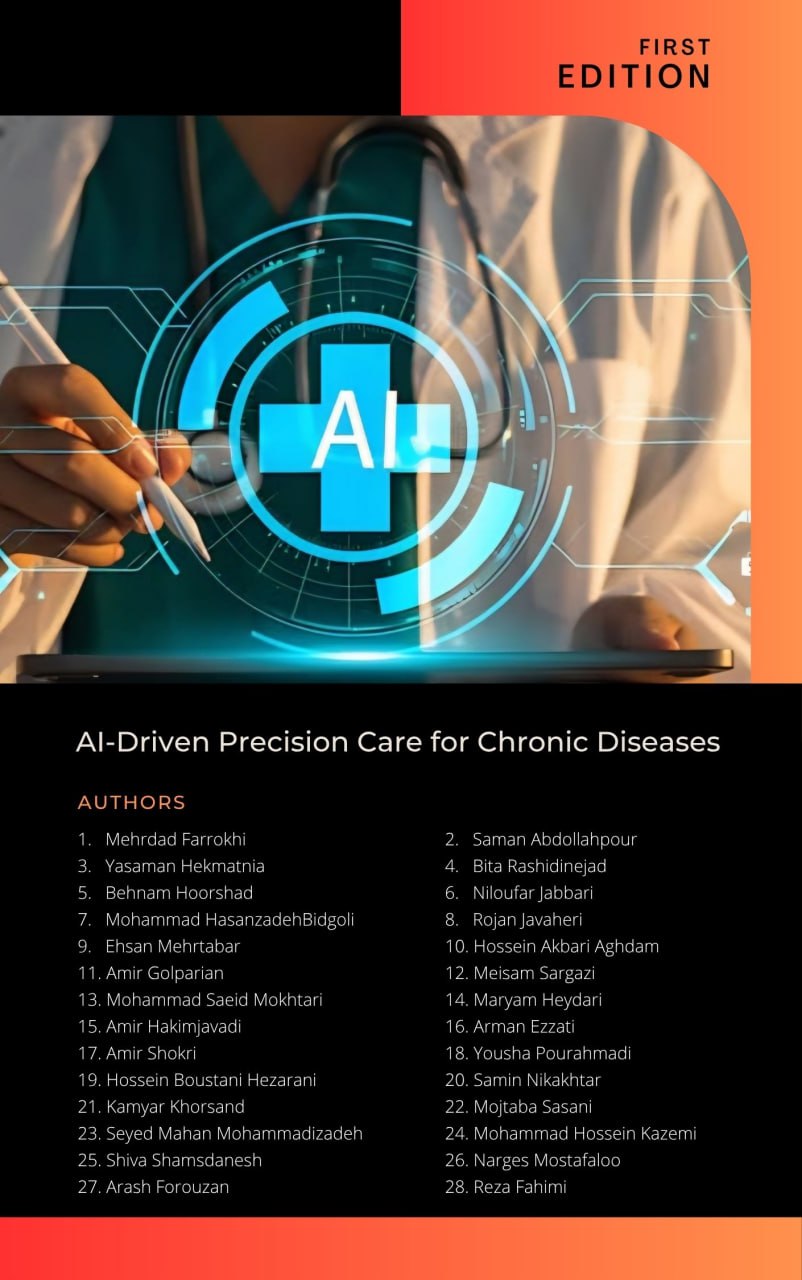
Downloads
Published
Issue
Section
Categories
License
Copyright (c) 2026 PreferPub and Kindle

This work is licensed under a Creative Commons Attribution-NonCommercial 4.0 International License.
Since making research freely available supports a greater global exchange of knowledge, PreferPub provides immediate open access to its published books under the terms of the Creative Commons Attribution-NonCommercial 4.0 License (CC BY-NC 4.0). This license allows others to share, copy, and redistribute the material in any medium or format, as well as adapt, remix, transform, and build upon the material, as long as the use is non-commercial and appropriate credit is given to the original work.


