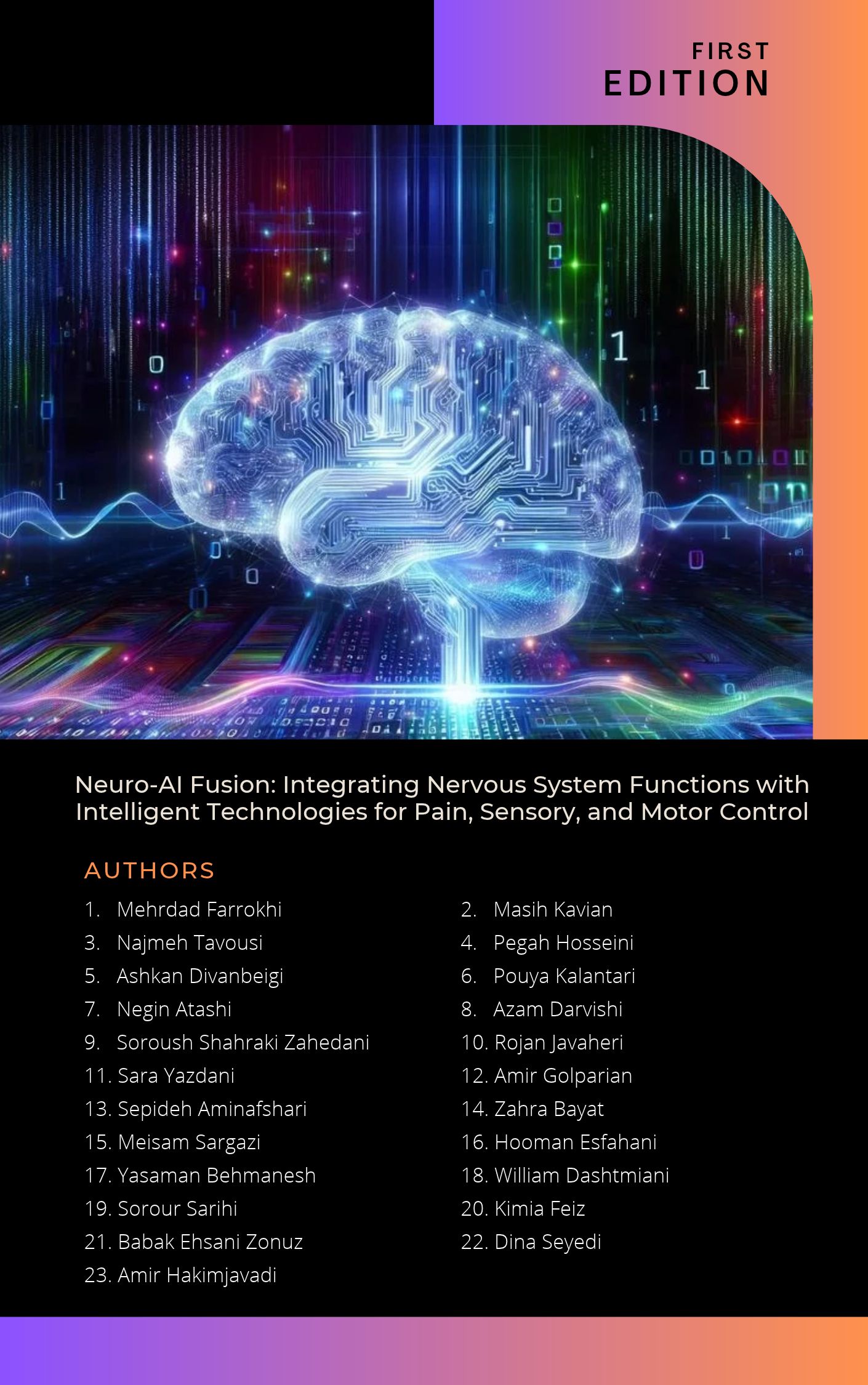
Neuro-AI Fusion: Integrating Nervous System Functions with Intelligent Technologies for Pain, Sensory, and Motor Control
Keywords:
Neuro-AI Fusion, AI in Neurology, Artificial Intelligence, Computational NeuroscienceAbstract
Neuro-AI fusion represents an emerging interdisciplinary field that combines neuroscience, artificial intelligence (AI), computational modeling, and intelligent biomedical technologies to understand, assess, and modulate nervous system functions. By integrating neural signals, physiological measurements, clinical assessments, and behavioral data, these technologies offer new opportunities to improve pain management, sensory assessment, and motor control. Traditional neurological evaluations often depend on clinical examinations, patient-reported symptoms, and specialized diagnostic procedures. Although these approaches remain essential, they may not fully capture the dynamic and complex interactions underlying neurological function. AI-based systems can address some of these limitations by identifying subtle patterns in high-dimensional data, supporting personalized assessments, and facilitating continuous monitoring. In pain medicine, machine learning algorithms can analyze physiological signals, neuroimaging findings, and behavioral indicators to support pain classification, severity estimation, and treatment selection. These applications may be particularly valuable for patients who cannot reliably communicate their symptoms. In sensory neuroscience, intelligent systems can enhance the interpretation of visual, auditory, and somatosensory information, potentially improving diagnostic accuracy and supporting the development of adaptive sensory prostheses. Similarly, integrating AI with electromyography, electroencephalography, wearable sensors, and brain-computer interfaces can facilitate motor assessment, rehabilitation planning, and the control of assistive devices. The combination of neural decoding and adaptive algorithms also enables the development of closed-loop systems that adjust stimulation or assistance according to changing physiological conditions. Such technologies may contribute to individualized rehabilitation for neurological disorders, spinal cord injuries, chronic pain, and movement impairments. However, their clinical implementation requires reliable datasets, external validation, transparent algorithms, and careful consideration of safety, privacy, accessibility, and ethical concerns. Neuro-AI fusion should therefore complement, rather than replace, clinical expertise. Continued collaboration among neuroscientists, clinicians, engineers, and AI researchers will be essential for translating technological advances into safe, effective, and clinically meaningful interventions that improve neurological assessment, treatment precision, and patient outcomes.
References
1. Abdel Razek AAK, Alksas A, Shehata M, AbdelKhalek A, Abdel Baky K, El-Baz A, et al. Clinical applications of artificial intelligence and radiomics in neuro-oncology imaging. Insights Imaging. 2021;12(1):152.
2. Abdollahifard S, Farrokhi A, Mowla A, Liebeskind DS. Performance Metrics, Algorithms, and Applications of Artificial Intelligence in Vascular and Interventional Neurology: A Review of Basic Elements. Neurol Clin. 2024;42(3):633–50.
3. Abesadze N, Fernandes A, Rubin E. Conversational Artificial Intelligence and Neuropsychiatric Risk: A Narrative Review and Case-Based Synthesis Proposing a Delusional Feedback Loop. Cureus. 2026;18(7):e112306.
4. AbuAlrob MA, Mesraoua B. Harnessing artificial intelligence for the diagnosis and treatment of neurological emergencies: a comprehensive review of recent advances and future directions. Front Neurol. 2024;15:1485799.
5. Achacoso TB, Yamamoto WS. Artificial ethology and computational neuroethology: a scientific discipline and its subset by sharpening and extending the definition of artificial intelligence. Perspect Biol Med. 1990;33(3):379–89.
6. Agadi K, Dominari A, Tebha SS, Mohammadi A, Zahid S. Neurosurgical Management of Cerebrospinal Tumors in the Era of Artificial Intelligence : A Scoping Review. J Korean Neurosurg Soc. 2023;66(6):632–41.
7. Agaram Sundaram V, Saravanan B, Sowndharya Balamurugan B, Muthu Chinnakannu Marimuthu M, Munjal K, Chopra H. The impact of artificial intelligence on drug discovery for neuropsychiatric disorders. Excli j. 2025;24:728–48.
8. Agarwal S, Wood D, Grzeda M, Suresh C, Din M, Cole J, et al. Systematic Review of Artificial Intelligence for Abnormality Detection in High-volume Neuroimaging and Subgroup Meta-analysis for Intracranial Hemorrhage Detection. Clin Neuroradiol. 2023;33(4):943–56.
9. Agkatsev S, Templeton M, Lazaridis L, Nowak H, Kebir S, Seliger C. Artificial intelligence in neuro-oncology: Current advances and legal considerations in the European Union. Neurooncol Adv. 2026;8(1):vdag083.
10. Ahuja AS, Paredes Iii AA, Eisel MLS, Miller C, Truong N, Falardeau J. Artificial Intelligence in Neuro-Ophthalmology for Optic Disc Pathologies and Neurodegenerative Disease. Eye Brain. 2026;18:555894.
11. Aimé X, Charlet J, Maillet D, Belin C. [Artificial intelligence meeting neuropsychology. Semantic memory in normal and pathological aging]. Geriatr Psychol Neuropsychiatr Vieil. 2015;13(1):88–96.
12. Ajibade VM, Madu CS. The Integration of Artificial Intelligence Into Precision Medicine for Neuro-Oncology: Ethical, Clinical, and Nursing Implications in Immunotherapy Care. Cureus. 2025;17(5):e85024.
13. Akras Z, Limbania D, Touray J, Darko K, Djigo RS, Nawabi DI, et al. Artificial intelligence and robotics in global neurosurgery: A scoping review. J Clin Neurosci. 2026;148:111978.
14. Al-Mufti F, Kim M, Dodson V, Sursal T, Bowers C, Cole C, et al. Machine Learning and Artificial Intelligence in Neurocritical Care: a Specialty-Wide Disruptive Transformation or a Strategy for Success. Curr Neurol Neurosci Rep. 2019;19(11):89.
15. Al-Rahbi A, Al-Habsi T, Al-Saadi T. Review Article | Artificial Intelligence Applications in Prognosis and Treatment of Neuro-oncology: A review. Gulf J Oncolog. 2026;1(50):70–86.
16. Alberca-González A, Fernández-Jiménez E. Artificial intelligence support for diagnosis of neurodevelopmental disorders during childhood: an umbrella review. Front Psychiatry. 2026;17:1697185.
17. Alqadi MM, Vidal SGM. Artificial Intelligence in Vascular Neurology: Applications, Challenges, and a Review of AI Tools for Stroke Imaging, Clinical Decision Making, and Outcome Prediction Models. Curr Neurol Neurosci Rep. 2025;25(1):34.
18. Alsaleh H. The impact of artificial intelligence in the diagnosis and management of acoustic neuroma: A systematic review. Technol Health Care. 2024;32(6):3801–13.
19. AlShawabkeh M, Khalaf RA, Fakhouri SRI, Alshammari TO. Artificial Intelligence in Neurology and Neuro-Ophthalmology: Current Applications and Future Directions. Neurol Clin. 2026;44(2):239–54.
20. Alshehri ZS. Integrating artificial intelligence with small molecule therapeutics and precision medicine for neurochemical understanding of Alzheimer's diseases. Neuroscience. 2025;586:44–57.
21. Alvani MS, Mohammadzadeh I, Hajikarimloo B, Javani M, Mohammadzadeh S, Mortezaei A, et al. Artificial intelligence in trigeminal neuralgia: trigeminal nerve segmentation and neurovascular conflict detection: a systematic review and meta-analysis. Neurosurg Rev. 2026;49(1).
22. Alzoubi I, Bao G, Zheng Y, Wang X, Graeber MB. Artificial intelligence techniques for neuropathological diagnostics and research. Neuropathology. 2023;43(4):277–96.
23. Amurthur A, McCarthy DJ, Schwamm LH, Hillis JM. Artificial Intelligence-Enabled Devices in Neurology: Mapping the Present and Future. Semin Neurol. 2026;46(1):57–66.
24. Andrews M, Di Ieva A. Artificial intelligence for brain neuroanatomical segmentation in magnetic resonance imaging: A literature review. J Clin Neurosci. 2025;134:111073.
25. Aneja S, Chang E, Omuro A. Applications of artificial intelligence in neuro-oncology. Curr Opin Neurol. 2019;32(6):850–6.
26. Ansari RA, Senapati SG, Ahluwalia V, Panjwani GAR, Kaur A, Yerrapragada G, et al. Artificial Intelligence-Guided Neuromodulation in Heart Failure with Preserved and Reduced Ejection Fraction: Mechanisms, Evidence, and Future Directions. J Cardiovasc Dev Dis. 2025;12(8).
27. Au Yeung J, Wang YY, Kraljevic Z, Teo JTH. Artificial intelligence (AI) for neurologists: do digital neurones dream of electric sheep? Pract Neurol. 2023;23(6):476–88.
28. Auger SD, Jacobs BM, Dobson R, Marshall CR, Noyce AJ. Big data, machine learning and artificial intelligence: a neurologist's guide. Pract Neurol. 2020;21(1):4–11.
29. Awuah WA, Adebusoye FT, Wellington J, David L, Salam A, Weng Yee AL, et al. Recent Outcomes and Challenges of Artificial Intelligence, Machine Learning, and Deep Learning in Neurosurgery. World Neurosurg X. 2024;23:100301.
30. Bacon EJ, He D, Achi NAD, Wang L, Li H, Yao-Digba PDZ, et al. Neuroimage analysis using artificial intelligence approaches: a systematic review. Med Biol Eng Comput. 2024;62(9):2599–627.
31. Bakas S, Vollmuth P, Galldiks N, Booth TC, Aerts H, Bi WL, et al. Artificial Intelligence for Response Assessment in Neuro Oncology (AI-RANO), part 2: recommendations for standardisation, validation, and good clinical practice. Lancet Oncol. 2024;25(11):e589–e601.
32. Baker CR, Pease M, Sexton DP, Abumoussa A, Chambless LB. Artificial intelligence innovations in neurosurgical oncology: a narrative review. J Neurooncol. 2024;169(3):489–96.
33. Balma M, Laudicella R, Gallio E, Gusella S, Lorenzon L, Peano S, et al. Applications of Artificial Intelligence and Radiomics in Molecular Hybrid Imaging and Theragnostics for Neuro-Endocrine Neoplasms (NENs). Life (Basel). 2023;13(8).
34. Bampton TJ, Weber A, Bastiampillai T, Palmer LJ, Clark S. Artificial Intelligence and CT Neuroimaging in Dementia and Psychotic Disorders: A Viewpoint. J Imaging Inform Med. 2026.
35. Barua PD, Vicnesh J, Gururajan R, Oh SL, Palmer E, Azizan MM, et al. Artificial Intelligence Enabled Personalised Assistive Tools to Enhance Education of Children with Neurodevelopmental Disorders-A Review. Int J Environ Res Public Health. 2022;19(3).
36. Basem J, Mani R, Sun S, Gilotra K, Dianati-Maleki N, Dashti R. Clinical applications of artificial intelligence and machine learning in neurocardiology: a comprehensive review. Front Cardiovasc Med. 2025;12:1525966.
37. Basha S, Ks P, Chattopadhyay A, Pai AR, Mahato KK. Artificial intelligence and machine learning in neurodegenerative disease management: A 21st century paradigm. Neurobiol Dis. 2026;220:107307.
38. Battista P, Salvatore C, Berlingeri M, Cerasa A, Castiglioni I. Artificial intelligence and neuropsychological measures: The case of Alzheimer's disease. Neurosci Biobehav Rev. 2020;114:211–28.
39. Bearden DJ. Ethical integration of artificial intelligence in pediatric epilepsy neuropsychology: decision authority, communication, and surgical risk modeling. Epilepsy Behav. 2026;185:111295.
40. Bell AJ. Levels and loops: the future of artificial intelligence and neuroscience. Philos Trans R Soc Lond B Biol Sci. 1999;354(1392):2013–20.
41. Ben-Jaafar A, Sinha A, Nkrumah-Boateng PA, Roy S, Sanker V, Mohamed S, et al. Artificial intelligence-based biomarkers for the diagnosis and treatment of neurological conditions: a narrative review. Mol Brain. 2026;19(1).
42. Bermudez-Contreras E, Clark BJ, Wilber A. The Neuroscience of Spatial Navigation and the Relationship to Artificial Intelligence. Front Comput Neurosci. 2020;14:63.
43. Bhatia A, Khalvati F, Ertl-Wagner BB. Artificial Intelligence in the Future Landscape of Pediatric Neuroradiology: Opportunities and Challenges. AJNR Am J Neuroradiol. 2024;45(5):549–53.
44. Błaszkiewicz J, Madej-Pilarczyk A, Ciara E. Artificial intelligence in neurofibromatosis type I: diagnostic and therapeutic opportunities. J Appl Genet. 2026.
45. Blümcke I, Vorndran J. Neuropathology of focal epilepsy: the promise of artificial intelligence and digital Neuropathology 3.0. Pathology. 2025;57(2):171–7.
46. Bonsanto MM, Tronnier VM. [Artificial intelligence in neurosurgery]. Chirurg. 2020;91(3):229–34.
47. Borchert RJ, Azevedo T, Badhwar A, Bernal J, Betts M, Bruffaerts R, et al. Artificial intelligence for diagnostic and prognostic neuroimaging in dementia: A systematic review. Alzheimers Dement. 2023;19(12):5885–904.
48. Boyle AJ, Gaudet VC, Black SE, Vasdev N, Rosa-Neto P, Zukotynski KA. Artificial intelligence for molecular neuroimaging. Ann Transl Med. 2021;9(9):822.
49. Bravo J, Wali AR, Hirshman BR, Gopesh T, Steinberg JA, Yan B, et al. Robotics and Artificial Intelligence in Endovascular Neurosurgery. Cureus. 2022;14(3):e23662.
50. Broggi G, Mazzucchelli M, Salzano S, Barbagallo GMV, Certo F, Zanelli M, et al. The emerging role of artificial intelligence in neuropathology: Where are we and where do we want to go? Pathol Res Pract. 2024;263:155671.
51. Buchlak QD, Esmaili N, Leveque JC, Bennett C, Farrokhi F, Piccardi M. Machine learning applications to neuroimaging for glioma detection and classification: An artificial intelligence augmented systematic review. J Clin Neurosci. 2021;89:177–98.
52. Buchlak QD, Esmaili N, Leveque JC, Farrokhi F, Bennett C, Piccardi M, et al. Machine learning applications to clinical decision support in neurosurgery: an artificial intelligence augmented systematic review. Neurosurg Rev. 2020;43(5):1235–53.
53. Bush SS. Ethical considerations in the use of artificial intelligence in clinical neuropsychology. Clin Neuropsychol. 2026;40(3):776–96.
54. Calderone A, Latella D, Bonanno M, Quartarone A, Mojdehdehbaher S, Celesti A, et al. Towards Transforming Neurorehabilitation: The Impact of Artificial Intelligence on Diagnosis and Treatment of Neurological Disorders. Biomedicines. 2024;12(10).
55. Calderone A, Latella D, La Fauci E, Puleo R, Sergi A, De Francesco M, et al. Artificial Intelligence-Driven Neuromodulation in Neurodegenerative Disease: Precision in Chaos, Learning in Loss. Biomedicines. 2025;13(9).
56. Cascianelli S, Scialpi M, Amici S, Forini N, Minestrini M, Fravolini ML, et al. Role of Artificial Intelligence Techniques (Automatic Classifiers) in Molecular Imaging Modalities in Neurodegenerative Diseases. Curr Alzheimer Res. 2017;14(2):198–207.
57. Chadha S, Sritharan DV, Hager T, D'Souza R, Aneja S. Emerging Trends in Artificial Intelligence in Neuro-Oncology. Curr Oncol Rep. 2025;27(8):951–62.
58. Chan B, Kim B, Schonfeld E, Nageeb G, Pant A, Sjoholm A, et al. Publicly Available Datasets for Artificial Intelligence in Neurosurgery: A Systematic Review. J Clin Med. 2025;14(16).
59. Chance FS, Aimone JB, Musuvathy SS, Smith MR, Vineyard CM, Wang F. Crossing the Cleft: Communication Challenges Between Neuroscience and Artificial Intelligence. Front Comput Neurosci. 2020;14:39.
60. Chawla V, Cizmeci MN, Sullivan KM, Gritz EC, V QC, Menkiti O, et al. Emerging modalities for neuroprognostication in neonatal encephalopathy: harnessing the potential of artificial intelligence. Pediatr Res. 2025;98(7):2554–64.
61. Chen C, Du X, Yang J, Zeng Y, Xie H, Wang D, et al. From microfluidics to nanodelivery: artificial intelligence reshapes neuropharmacology research strategies. Front Pharmacol. 2026;17:1796070.
62. Chen N, Wang S, Liu J, Zheng X, Shang H. Artificial intelligence-driven nano-enhanced stem cell therapy for neurodegenerative diseases: from rational design to clinical translation. J Nanobiotechnology. 2026;24(1).
63. Chen Z, Liu X, Yang Q, Wang YJ, Miao K, Gong Z, et al. Evaluation of Risk of Bias in Neuroimaging-Based Artificial Intelligence Models for Psychiatric Diagnosis: A Systematic Review. JAMA Netw Open. 2023;6(3):e231671.
64. Chiorean DM, Mitranovici MI, Mureșan MC, Buicu CF, Moraru R, Moraru L, et al. The Approach of Artificial Intelligence in Neuroendocrine Carcinomas of the Breast: A Next Step towards Precision Pathology?-A Case Report and Review of the Literature. Medicina (Kaunas). 2023;59(4).
65. Christodoulou RC, Papageorgiou PS, Eller D, Vassiliou E, Papageorgiou SG, Solomou EE, et al. Multimodal artificial intelligence in glioma management: integrating neuroimaging and hematologic biomarkers for precision oncology. Front Oncol. 2026;16:1812518.
66. Christodoulou RC, Papageorgiou PS, Pitsillos R, Woodward A, Papageorgiou SG, Solomou EE, et al. A Narrative Review of Theranostics in Neuro-Oncology: Advancing Brain Tumor Diagnosis and Treatment Through Nuclear Medicine and Artificial Intelligence. Int J Mol Sci. 2025;26(15).
67. Christodoulou RC, Pitsillos R, Petrou V, Sarquis MD, Papageorgiou PS, Solomou EE. Central Nervous System Involvement in Acute Myeloid Leukemia: From Pathophysiology to Neuroradiologic Features and the Emerging Role of Artificial Intelligence. J Clin Med. 2026;15(3).
68. Clark CL, Jerskey BA, Fogler JM. Topical review: Incorporating generative artificial intelligence into neuropsychology training: best practices, pitfalls, and recommendations for effective implementation. J Pediatr Psychol. 2026;51(8):670–6.
69. Conti AA, Conti A, Masoni M, Gensini GF. Clinical pictures of unknown origin in neurology: past, present and future usefulness of artificial intelligence. Ann Ital Med Int. 2005;20(2):113–6.
70. Costello F, Norman GC. Artificial Intelligence and Ocular Imaging in the Evaluation of Neurologic Disorders: The New Era of Neuro-Oculomics? Semin Neurol. 2026;46(1):67–76.
71. Crincoli E, Savastano MC, Savastano A, Carlà MM, Giannuzzi F, Catania F, et al. Artificial intelligence and neurodegeneration: state of the art and explainability. Int J Retina Vitreous. 2026;12(1).
72. Dagher R, Ozkara BB, Karabacak M, Dagher SA, Rumbaut EI, Luna LP, et al. Artificial intelligence/machine learning for neuroimaging to predict hemorrhagic transformation: Systematic review/meta-analysis. J Neuroimaging. 2024;34(5):505–14.
73. Dalboni da Rocha JL, Lai J, Pandey P, Myat PSM, Loschinskey Z, Bag AK, et al. Artificial Intelligence for Neuroimaging in Pediatric Cancer. Cancers (Basel). 2025;17(4).
74. Damer A, Chaudry E, Eftekhari D, Benseler SM, Safi F, Aviv RI, et al. Neuroimaging Scoring Tools to Differentiate Inflammatory Central Nervous System Small-Vessel Vasculitis: A Need for Artificial Intelligence/Machine Learning?-A Scoping Review. Tomography. 2023;9(5):1811–28.
75. Dang J, Lal A, Flurin L, James A, Gajic O, Rabinstein AA. Predictive modeling in neurocritical care using causal artificial intelligence. World J Crit Care Med. 2021;10(4):112–9.
76. Danilov GV, Ishankulov TA, Kotik KV, Shifrin MA, Potapov AA. Artificial intelligence technologies in clinical neurooncology. Zh Vopr Neirokhir Im N N Burdenko. 2022;86(6):127–33.
77. Danilov GV, Shifrin MA, Kotik KV, Ishankulov TA, Orlov YN, Kulikov AS, et al. Artificial Intelligence Technologies in Neurosurgery: a Systematic Literature Review Using Topic Modeling. Part II: Research Objectives and Perspectives. Sovrem Tekhnologii Med. 2021;12(6):111–8.
78. Danilov GV, Shifrin MA, Kotik KV, Ishankulov TA, Orlov YN, Kulikov AS, et al. Artificial Intelligence in Neurosurgery: a Systematic Review Using Topic Modeling. Part I: Major Research Areas. Sovrem Tekhnologii Med. 2021;12(5):106–12.
79. Daraie AH, Damiani A, Khoshkhou M, Sanchez LA, Smith RJ, Agashe SH, et al. Artificial intelligence for adaptive neuromodulation in drug-resistant epilepsy. Epilepsia. 2026.
80. de Andrade JBC, de Carvalho Leite SN, de Morais A, Carneiro TS, Fernandes PC, Alves DI. Screening and Evaluation of Post-stroke Dysphagia: Insights from Neurology, Artificial Intelligence and Data Science-A Scoping Review. Ann Biomed Eng. 2026.
81. Delgado-López PD, Cárdenas Montes M, Troya García J, Ocaña-Tienda B, Cepeda S, Martínez Martínez R, et al. Artificial intelligence in neuro-oncology: methodological bases, practical applications and ethical and regulatory issues. Clin Transl Oncol. 2025;27(11):4117–30.
82. Dennis AP, Strafella AP. The identification of cognitive impairment in Parkinson's disease using biofluids, neuroimaging, and artificial intelligence. Front Neurosci. 2024;18:1446878.
83. DeRight J, Puente AN. Artificial intelligence in neuropsychological practice-tool selection, privacy, and billing guidance. Clin Neuropsychol. 2026;40(3):797–815.
84. Dhankhar S, Mujwar S, Garg N, Chauhan S, Saini M, Sharma P, et al. Artificial Intelligence in The Management of Neurodegenerative Disorders. CNS Neurol Disord Drug Targets. 2024;23(8):931–40.
85. Dragendorf E, Bültmann E, Wolff D. Quantitative assessment of neurodevelopmental maturation: a comprehensive systematic literature review of artificial intelligence-based brain age prediction in pediatric populations. Front Neuroinform. 2024;18:1496143.
86. Du Y, Niu J, Xing Y, Li B, Calhoun VD. Neuroimage Analysis Methods and Artificial Intelligence Techniques for Reliable Biomarkers and Accurate Diagnosis of Schizophrenia: Achievements Made by Chinese Scholars Around the Past Decade. Schizophr Bull. 2025;51(2):325–42.
87. Duong MT, Rauschecker AM, Mohan S. Diverse Applications of Artificial Intelligence in Neuroradiology. Neuroimaging Clin N Am. 2020;30(4):505–16.
88. Dymm B, Khalid A. Artificial Intelligence in Neurology and Stroke Education: Current Applications and Future Directions. Semin Neurol. 2026;46(1):49–56.
89. Dzialas V, Doering E, Eich H, Strafella AP, Vaillancourt DE, Simonyan K, et al. Houston, We Have AI Problem! Quality Issues with Neuroimaging-Based Artificial Intelligence in Parkinson's Disease: A Systematic Review. Mov Disord. 2024;39(12):2130–43.
90. Ebrahimi H, Hejazian E, Eftekhari Z. Innovative approaches: Utilizing artificial intelligence for early diagnosis of main neurodegenerative diseases. Caspian J Intern Med. 2026;17(3):517–33.
91. Ebrahimian Sadabad F, Honhar P, Houshi S, Nejati SF, Bagherieh S, Brackett A, et al. Detection of parkinson's disease with neuroimaging modalities using machine learning and artificial intelligence: a systematic review. Neurol Sci. 2026;47(1):160.
92. Ekins S, Lane TR. Applications of artificial intelligence in drug discovery for neurological diseases. Neurotherapeutics. 2025;22(4):e00624.
93. El Arab RA, Al Moosa OA, Almagharbeh WT, Abuadas F, Abdalla N, Abdrbo A, et al. Artificial Intelligence in Physical, Occupational and Neuro-Rehabilitation: Clinical Effectiveness, Prognostic Performance, and Pre-Implementation Feasibility - A Systematic Review. J Med Syst. 2026;50(1).
94. El-Banna MM, Rizvi MR, Sami W, Sharma A, Atyeh RR. Digital and Intelligent Rehabilitation Technologies in Stroke and Neurological Disorders: A Systematic Review of Artificial Intelligence, Virtual Reality, Gamification, and Emerging Therapeutic Platforms in Neurorehabilitation. Bioengineering (Basel). 2026;13(2).
95. El-Hajj VG, Gharios M, Edström E, Elmi-Terander A. Artificial Intelligence in Neurosurgery: A Bibliometric Analysis. World Neurosurg. 2023;171:152–8.e4.
96. Ervin B, Arya R. Artificial Intelligence and Machine Learning in Neuromodulation for Epilepsy. J Clin Neurophysiol. 2025;42(6):493–504.
97. Etekochay MO, Amaravadhi AR, González GV, Atanasov AG, Matin M, Mofatteh M, et al. Unveiling New Strategies Facilitating the Implementation of Artificial Intelligence in Neuroimaging for the Early Detection of Alzheimer's Disease. J Alzheimers Dis. 2024;99(1):1–20.
98. Farooqui M, Fatima M, Khan S, Singh S, Choudhary F, Farooq T, et al. Serotonin Neurobiology and Artificial Intelligence-Driven Biomarker Detection in Affective Disorders: A Comprehensive Review. ACS Chem Neurosci. 2026;17(20):3388–407.
99. Feng T. Applications of Artificial Intelligence to Diagnosis of Neurodegenerative Diseases. Stud Health Technol Inform. 2023;308:648–55.
100. Fiani B, Pasko KBD, Sarhadi K, Covarrubias C. Current uses, emerging applications, and clinical integration of artificial intelligence in neuroradiology. Rev Neurosci. 2022;33(4):383–95.
101. Filippi CG, Stein JM, Wang Z, Bakas S, Liu Y, Chang PD, et al. Ethical Considerations and Fairness in the Use of Artificial Intelligence for Neuroradiology. AJNR Am J Neuroradiol. 2023;44(11):1242–8.
102. Fontanella F, D'Alessandro T, Nardone E, De Stefano C, Vicidomini C, Roviello GN. Artificial Intelligence for Natural Products Drug Discovery in Neurodegenerative Therapies: A Review. Biomolecules. 2026;16(1).
103. Forrest DV. Mental, neuropsychic, and brain patterns of defense. Neuropsychic defense continua from psychopathology to the particularly human parallel networks that are problematic for artificial intelligence. J Am Acad Psychoanal. 1991;19(1):99–123.
104. Frassetto FP. The Intersection Between Neuropathology and Artificial Intelligence: A Review. Sage Open Pathol. 2026;19:30502098261472442.
105. Fuentes-Mendoza J, Fernanda-Castillo M, Valdez-Esqueda F, Garza-Boullosa R, Gama-Reyes E, Arreola-Flores M, et al. Determining factors of neuroplasticity in patients with brain tumors: impact of connectome and artificial intelligence. A narrative review. Expert Rev Anticancer Ther. 2026;26(2):179–89.
106. Galldiks N, Angenstein F, Werner JM, Bauer EK, Gutsche R, Fink GR, et al. Use of advanced neuroimaging and artificial intelligence in meningiomas. Brain Pathol. 2022;32(2):e13015.
107. Gallo ML, Moriconi M, Phé V. Current applications and future perspectives of artificial intelligence in functional urology and neurourology: how far can we get? Minerva Urol Nephrol. 2025;77(1):33–42.
108. Ganapathy K, Abdul SS, Nursetyo AA. Artificial intelligence in neurosciences: A clinician's perspective. Neurol India. 2018;66(4):934–9.
109. Ganji Z, Nikparast F, Shoeibi N, Shoeibi A, Zare H, Sharak NA. Retinal imaging and artificial intelligence: A systematic review and meta-analysis of diagnostic techniques for neurodegenerative diseases. Photodiagnosis Photodyn Ther. 2025;55:104788.
110. García-Reyes RA, Massó Quiñones LN, Ruy H, Castro DC. Neuropsychopharmacology in the era of artificial intelligence and biomolecule prediction software. NPP Digit Psychiatry Neurosci. 2025;3(1):16.
111. Ghosh T. Artificial Intelligence in Neuroradiology: Transforming Diagnosis, Prognostication, and Workflow. Indian J Radiol Imaging. 2026;36(4):544–62.
112. Giansanti D. Bridging Neurobiology and Artificial Intelligence: A Narrative Review of Reviews on Advances in Cochlear and Auditory Neuroprostheses for Hearing Restoration. Biology (Basel). 2025;14(9).
113. Gkintoni E, Antonopoulou H, Sortwell A, Halkiopoulos C. Challenging Cognitive Load Theory: The Role of Educational Neuroscience and Artificial Intelligence in Redefining Learning Efficacy. Brain Sci. 2025;15(2).
114. Gombolay GY, Gopalan N, Bernasconi A, Nabbout R, Megerian JT, Siegel B, et al. Review of Machine Learning and Artificial Intelligence (ML/AI) for the Pediatric Neurologist. Pediatr Neurol. 2023;141:42–51.
115. Gong B, Khalvati F, Ertl-Wagner BB, Patlas MN. Artificial intelligence in emergency neuroradiology: Current applications and perspectives. Diagn Interv Imaging. 2025;106(4):135–42.
116. Goudarzi N, Taheri Z, Nezhad Salari AM, Kazemzadeh K, Tafakhori A. Recognition and classification of facial expression using artificial intelligence as a key of early detection in neurological disorders. Rev Neurosci. 2025;36(5):479–95.
117. Green DL, Layton BP, Knapp J, Driggs A, Spinner RJ. Applications of artificial intelligence in peripheral neurosurgery: a systematic review. Neurosurg Rev. 2026;49(1).
118. Gu Z, Ge B, Wang Y, Gong Y, Qi M. Artificial intelligence technologies for enhancing neurofunctionalities: a comprehensive review with applications in Alzheimer's disease research. Front Aging Neurosci. 2025;17:1609063.
119. Guarnera A, Napolitano A, Liporace F, Marconi F, Rossi-Espagnet MC, Gandolfo C, et al. The Expanding Frontier: The Role of Artificial Intelligence in Pediatric Neuroradiology. Children (Basel). 2025;12(9).
120. Guerra GA, Grove S, Le J, Hofmann HL, Shah I, Bhagavatula S, et al. Artificial intelligence as a modality to enhance the readability of neurosurgical literature for patients. J Neurosurg. 2025;142(4):1189–95.
121. Gupta S, Arya NK, Reddy V, Sharma RK, Kummari S, Shukla AK, et al. Artificial Intelligence and Machine Learning in Diagnostic Radiology: A Paradigm Shift Toward Predictive Neuroimaging and Early Detection of Brain Disorders. Cureus. 2026;18(4):e107432.
122. Guzik AK, Fraser JF, Southerland AM, Vagal A, Tsai JP, Dumitrascu OM, et al. Creating Virtual Stroke Networks: Current and Future Role of Artificial Intelligence, Mobile Imaging Applications, and Telehealth in Triage and Treatment of Acute Ischemic Stroke: A Scientific Statement From the American Heart Association: The American Academy of Neurology affirms the value of this statement as an educational tool for neurologists. Stroke. 2026;57(3):e87–e100.
123. Hadar PN, Moura L. Clinical Applications of Artificial Intelligence in Neurology Practice. Continuum (Minneap Minn). 2025;31(2):583–600.
124. Haller S, Van Cauter S, Federau C, Hedderich DM, Edjlali M. The R-AI-DIOLOGY checklist: a practical checklist for evaluation of artificial intelligence tools in clinical neuroradiology. Neuroradiology. 2022;64(5):851–64.
125. Hamzyan Olia JB, Raman A, Hsu CY, Alkhayyat A, Nourazarian A. A comprehensive review of neurotransmitter modulation via artificial intelligence: A new frontier in personalized neurobiochemistry. Comput Biol Med. 2025;189:109984.
126. Harris LT. The Neuroscience of Human and Artificial Intelligence Presence. Annu Rev Psychol. 2024;75:433–66.
127. Hasan MM, Phu J, Sowmya A, Meijering E, Kalloniatis M. Artificial intelligence in the diagnosis of glaucoma and neurodegenerative diseases. Clin Exp Optom. 2024;107(2):130–46.
128. Hassabis D, Kumaran D, Summerfield C, Botvinick M. Neuroscience-Inspired Artificial Intelligence. Neuron. 2017;95(2):245–58.
129. Hassan YM, Wanas A, Ali AA, El-Sayed WM. Integrating artificial intelligence with nanodiagnostics for early detection and precision management of neurodegenerative diseases. J Nanobiotechnology. 2025;23(1):668.
130. Hedderich DM, Weisstanner C, Van Cauter S, Federau C, Edjlali M, Radbruch A, et al. Artificial intelligence tools in clinical neuroradiology: essential medico-legal aspects. Neuroradiology. 2023;65(7):1091–9.
131. Hellmann F, Ristow I, Well L, Lohse S, Anokhin M, Kuhlen M, et al. Artificial intelligence-based tools for precision diagnosis and treatment of neurofibromatosis type 1 associated peripheral and central glial tumors. Orphanet J Rare Dis. 2025;20(1):551.
132. Hillis JM, Bizzo BC. Use of Artificial Intelligence in Clinical Neurology. Semin Neurol. 2022;42(1):39–47.
133. Ho ML. Artificial intelligence for pediatric neuroimaging. Pediatr Radiol. 2026.
134. Husain AM. Of Pilots and Copilots: The Evolving Role of Artificial Intelligence in Clinical Neurophysiology. Neurodiagn J. 2025;65(1):2–12.
135. Husain AM, Beniczky S, Bensalem-Owen M, Bland J, Brinkman BH, Hanajima R, et al. IFCN position statement: use of artificial intelligence in clinical neurophysiology. Clin Neurophysiol. 2026;189:2111893.
136. Hussain MA, Grant PE, Ou Y. Inferring neurocognition using artificial intelligence on brain MRIs. Front Neuroimaging. 2024;3:1455436.
137. Ienca M, Ignatiadis K. Artificial Intelligence in Clinical Neuroscience: Methodological and Ethical Challenges. AJOB Neurosci. 2020;11(2):77–87.
138. Ifeoma Anene J, Sharma A, Sharma A, Fatima I, Kancherla N, Ponnada SC, et al. Exploring the Potential of Artificial Intelligence (AI) and Augmented Reality (AR) in Neurological Disease Management: A Narrative Review. Cureus. 2025;17(6):e86614.
139. Iorga RE, Donica VC, Danielescu C, Bogdănici CM, Munteanu-Dănulescu RS, Moraru AD. Current Applications of Artificial Intelligence in Neuro-Ophthalmic Imaging: A Narrative Approach. Med Sci (Basel). 2026;14(4).
140. Iqbal J, Jahangir K, Mashkoor Y, Sultana N, Mehmood D, Ashraf M, et al. The future of artificial intelligence in neurosurgery: A narrative review. Surg Neurol Int. 2022;13:536.
141. Ivanov D, Chezhegov A, Kiselev M, Grunin A, Larionov D. Neuromorphic artificial intelligence systems. Front Neurosci. 2022;16:959626.
142. James S, Bastiampillai T, Palmer LJ, Nair PC. The use of artificial intelligence (AI) in neuropsychiatric drug discovery: current challenges and future directions. Transl Psychiatry. 2026;16(1).
143. Javed M, Bajwa MH, Bakhshi SK. Artificial intelligence- image learning and its applications in neurooncology: a review. J Pak Med Assoc. 2024;74(4 (Supple-4)):S158–s60.
144. Jeevanandam J, Tsenov G, Danquah MK, Ruiz-Molena D, Boussios S, Ovsepian SV. Smart Nanomedicines for Neurodegenerative Diseases: Empowering New Therapies with Molecular Imaging and Artificial Intelligence. Mol Diagn Ther. 2026;30(1):19–46.
145. Jeong SY, Suh CH, Park HY, Heo H, Shim WH, Kim SJ. [Brain MRI-Based Artificial Intelligence Software in Patients with Neurodegenerative Diseases: Current Status]. Taehan Yongsang Uihakhoe Chi. 2022;83(3):473–85.
146. Jiang LB, Li ZX. [Artificial intelligence in neuro-ophthalmology: prospects, challenges and countermeasures]. Zhonghua Yan Ke Za Zhi. 2026;62(7):481–7.
147. Kaka H, Zhang E, Khan N. Artificial Intelligence and Deep Learning in Neuroradiology: Exploring the New Frontier. Can Assoc Radiol J. 2021;72(1):35–44.
148. Kalani M, Anjankar A. Revolutionizing Neurology: The Role of Artificial Intelligence in Advancing Diagnosis and Treatment. Cureus. 2024;16(6):e61706.
149. Kann BH, Vossough A, Brüningk SC, Familiar AM, Aboian M, Linguraru MG, et al. Artificial Intelligence for Response Assessment in Pediatric Neuro-Oncology (AI-RAPNO), part 1: review of the current state of the art. Lancet Oncol. 2025;26(11):e597–e606.
150. Karamveer, Tiwary BK. Artificial intelligence in multi-omics analysis of neurological diseases. Prog Mol Biol Transl Sci. 2026;222:207–28.
151. Karkhur S, Beri A, Verma V, Gupta S, Singh P. Artificial Intelligence in Neuro-Ophthalmology: Opportunities for the Diagnosis of Optic Neuropathies and Visual Pathway Disorders. Cureus. 2025;17(8):e90142.
152. Kaur G, Aggarwal H, Goel N. Artificial intelligence driven neuropsychiatry: a systematic review of electroencephalography-based computational techniques for major depressive disorder prediction. Neuroscience. 2025;581:179–207.
153. Kazemzadeh K, Akhlaghdoust M, Zali A. Advances in artificial intelligence, robotics, augmented and virtual reality in neurosurgery. Front Surg. 2023;10:1241923.
154. Kazerooni AF, Familiar AM, Aboian M, Brüningk SC, Vossough A, Linguraru MG, et al. Artificial Intelligence for Response Assessment in Pediatric Neuro-Oncology (AI-RAPNO), part 2: challenges, opportunities, and recommendations for clinical translation. Lancet Oncol. 2025;26(11):e607–e18.
155. Kedar S, Khazanchi D. Neurology education in the era of artificial intelligence. Curr Opin Neurol. 2023;36(1):51–8.
156. Kelly BS, Clifford SM, Mankad K, Colleran GC. Artificial intelligence in paediatric neuroradiology: current landscape, challenges, and future directions. Pediatr Radiol. 2026;56(9):1882–99.
157. Khalighi S, Reddy K, Midya A, Pandav KB, Madabhushi A, Abedalthagafi M. Artificial intelligence in neuro-oncology: advances and challenges in brain tumor diagnosis, prognosis, and precision treatment. NPJ Precis Oncol. 2024;8(1):80.
158. Kharaji M, Safwat AA, Cheng D, Firoozeh N, Hassan MHD, Zhu C, et al. Artificial intelligence in neuroradiology: a review of Food and Drug Administration-regulated algorithms. Br J Radiol. 2026;99(1185):1721–32.
159. Khawar MM, Abdus Saboor H, Eric R, Arain NR, Bano S, Mohamed Abaker MB, et al. Role of artificial intelligence in predicting neurological outcomes in postcardiac resuscitation. Ann Med Surg (Lond). 2024;86(12):7202–11.
160. Khosravi P, Schweitzer M. Artificial intelligence in neuroradiology: a scoping review of some ethical challenges. Front Radiol. 2023;3:1149461.
161. Kim Y, Choe SA, Jeong S, Jie D, Wang X, Lee H, et al. Artificial Intelligence That Changes Clinical Neurology Practice: Translating Algorithms Into Actionable Care. J Clin Neurol. 2026;22(4):392–407.
162. Kitamura FC, Pan I, Ferraciolli SF, Yeom KW, Abdala N. Clinical Artificial Intelligence Applications in Radiology: Neuro. Radiol Clin North Am. 2021;59(6):1003–12.
163. Kono K. Artificial Intelligence in Neuroendovascular Procedures. J Neuroendovasc Ther. 2025;19(1).
164. Kono K. [Real-Time Artificial Intelligence Assistance in Neuroendovascular Surgery]. No Shinkei Geka. 2025;53(2):340–8.
165. Koong K, Preda V, Jian A, Liquet-Weiland B, Di Ieva A. Application of artificial intelligence and radiomics in pituitary neuroendocrine and sellar tumors: a quantitative and qualitative synthesis. Neuroradiology. 2022;64(4):647–68.
166. Kordas B. Multimodal Assessment of Consciousness with Brain-Computer Interfaces and Artificial Intelligence: From Acquired Brain Injury to Neurodegenerative Disease. J Clin Med. 2026;15(14).
167. Kraus JL. From 'molecules of life' to new therapeutic approaches, an evolution marked by the advent of artificial intelligence: the cases of chronic pain and neuropathic disorders. Drug Discov Today. 2021;26(4):1070–5.
168. Kumar R, Nagraik R, Lakhanpal S, Abomughaid MM, Jha NK, Gupta R. Artificial intelligence in gut microbiome research: Toward predictive diagnostics for neurodegenerative disorders. Acta Microbiol Immunol Hung. 2025;72(4):296–312.
169. Kumar R, Waisberg E, Ong J, Paladugu P, Amiri D, Saintyl J, et al. Artificial Intelligence-Based Methodologies for Early Diagnostic Precision and Personalized Therapeutic Strategies in Neuro-Ophthalmic and Neurodegenerative Pathologies. Brain Sci. 2024;14(12).
170. Landau WM. Clinical neuromythology VII. Artificial intelligence: the brain transplant cure for parkinsonism. Neurology. 1990;40(5):733–40.
171. Lapka M, Straňák Z. The Current State of Artificial Intelligence in Neuro-Ophthalmology. A Review. Cesk Slov Oftalmol. 2024;80(4):179–86.
172. Leckie J, Wu S, Standell T, Yokota T. Artificial Intelligence-Driven Design of Antisense Oligonucleotides for Precision Medicine in Neuromuscular Disorders. Genes (Basel). 2025;16(12).
173. Lee S, Lee KS. Predictive and Explainable Artificial Intelligence for Neuroimaging Applications. Diagnostics (Basel). 2024;14(21).
174. León-Domínguez U. Towards an artificial intelligence clinical decision-support system based on immersive virtual reality for neurocognitive assessment. Ergonomics. 2026;69(10):1999–2016.
175. Leong YY, Vasseneix C, Finkelstein MT, Milea D, Najjar RP. Artificial Intelligence Meets Neuro-Ophthalmology. Asia Pac J Ophthalmol (Phila). 2022;11(2):111–25.
176. Li L, Zhang Z, Zong L. Artificial intelligence in neurovascular surgery: advancing diagnosis, treatment, and outcomes. Front Surg. 2026;13:1841708.
177. Li W, Gumera A, Surya S, Edwards A, Basiri F, Eves C. The role of artificial intelligence in diagnostic neurosurgery: a systematic review. Neurosurg Rev. 2025;48(1):393.
178. Liao Y, Tan G, Zhang H. Surface Electromyography Combined with Artificial Intelligence in Predicting Neuromuscular Falls in the Elderly: A Narrative Review of Present Applications and Future Perspectives. Healthcare (Basel). 2025;13(10).
179. Liu X, Chen H, Tan G, Zhong L, Jiang H, Smith SM, et al. A comprehensive neuroimaging review of the primary and metastatic brain tumors treated with immunotherapy: current status, and the application of advanced imaging approaches and artificial intelligence. Front Immunol. 2024;15:1496627.
180. Lo Bianco G, Deer TR, Occhigrossi F, Diwan S, Mercieri M, D'Angelo FP, et al. Artificial Intelligence in Neuropathic Pain: From Mechanisms to Neuromodulation and Regenerative Strategies. Curr Pain Headache Rep. 2026;30(1).
181. Ma S, Luo S, Zhong H. Artificial Intelligence in Neuromuscular Diseases: Opportunities for a Data-Scarce Field. Neurol Ther. 2026;15(5):2199–216.
182. Ma X, Wang P, Ma J, Lu Y, Pan S, Hu X. Artificial intelligence for automated detection of interictal epileptiform discharges: methodological progress, clinical evaluation, and neurodevelopmental context. Front Cell Dev Biol. 2026;14:1941616.
183. Magee R, Mupparapu M. Introduction to Methods in Artificial Intelligence and Cognitive Neurology. Dent Clin North Am. 2026;70(2):275–85.
184. Maghrabi Y, Jamjoom AB, Algahtani A, Alshareef OH, Jamjoom OM, Alzahrani M. Highly Cited Artificial Intelligence Research Studies Published in Neurosurgical Journals: A Bibliometric Analysis. Cureus. 2025;17(11):e98191.
185. Mahmoudi B. Artificial Intelligence as the Computational Framework for Adaptive Closed-Loop Neuromodulation in Psychiatry. Am J Psychiatry. 2026;183(10):734–42.
186. Mainali R, Deng A, Rayala H, Southerland AM. Potential Applications of Artificial Intelligence in Neurology Education. Semin Neurol. 2026;46(1):e1–e4.
187. Mainali S, Park S. Artificial Intelligence and Big Data Science in Neurocritical Care. Crit Care Clin. 2023;39(1):235–42.
188. Martin D, Tong E, Kelly B, Yeom K, Yedavalli V. Current Perspectives of Artificial Intelligence in Pediatric Neuroradiology: An Overview. Front Radiol. 2021;1:713681.
189. Marzi SJ, Schilder BM, Nott A, Frigerio CS, Willaime-Morawek S, Bucholc M, et al. Artificial intelligence for neurodegenerative experimental models. Alzheimers Dement. 2023;19(12):5970–87.
190. Mathis MW. Artificial intelligence is reshaping neuroscience across scales. Curr Opin Neurobiol. 2026;101:103265.
191. Mathis MW. Leveraging insights from neuroscience to build adaptive artificial intelligence. Nat Neurosci. 2026;29(1):13–24.
192. Medenica V, Ivanovic L, Milosevic N. Applicability of artificial intelligence in neuropsychological rehabilitation of patients with brain injury. Appl Neuropsychol Adult. 2024:1–28.
193. Mehari M, Sibih Y, Dada A, Chang SM, Wen PY, Molinaro AM, et al. Enhancing neuro-oncology care through equity-driven applications of artificial intelligence. Neuro Oncol. 2024;26(11):1951–63.
194. Merola E, Fanciulli G, Pes GM, Dore MP. Artificial intelligence in the diagnosis of gastro-entero-pancreatic neuroendocrine neoplasms: Potential benefits and current limitations. J Neuroendocrinol. 2025;37(11):e70087.
195. Merola E, Fanciulli G, Pes GM, Dore MP. Artificial Intelligence for Prognosis of Gastro-Entero-Pancreatic Neuroendocrine Neoplasms. Cancers (Basel). 2025;17(12).
196. Mirkin S, Albensi BC. Should artificial intelligence be used in conjunction with Neuroimaging in the diagnosis of Alzheimer's disease? Front Aging Neurosci. 2023;15:1094233.
197. Mofatteh M. Neurosurgery and artificial intelligence. AIMS Neurosci. 2021;8(4):477–95.
198. Mohamed AA, Lucke-Wold B. Text-to-video generative artificial intelligence: sora in neurosurgery. Neurosurg Rev. 2024;47(1):272.
199. Mohamed AA, Rajendran S, Colome D, Sargent EC, Schirmer CM, Vessell M, et al. Neurosurgical journals' policies on artificial intelligence use in manuscript preparation and peer review. Neurosurg Rev. 2025;48(1):670.
200. Mohamed S, Ben-Jaafar A, Frimpong M, Roy S, Sanker V, Nkrumah-Boateng PA, et al. Applying artificial intelligence in neurodevelopmental disorders management and research. Eur J Med Res. 2026;31(1):185.
201. Monsour R, Dutta M, Mohamed AZ, Borkowski A, Viswanadhan NA. Neuroimaging in the Era of Artificial Intelligence: Current Applications. Fed Pract. 2022;39(Suppl 1):S14–s20.
202. Monteith S, Glenn T, Geddes JR, Achtyes ED, Whybrow PC, Bauer M. Challenges and Ethical Considerations to Successfully Implement Artificial Intelligence in Clinical Medicine and Neuroscience: a Narrative Review. Pharmacopsychiatry. 2023;56(6):209–13.
203. Moridian P, Ghassemi N, Jafari M, Salloum-Asfar S, Sadeghi D, Khodatars M, et al. Automatic autism spectrum disorder detection using artificial intelligence methods with MRI neuroimaging: A review. Front Mol Neurosci. 2022;15:999605.
204. Morita S, Asamoto S, Sawada H, Kojima K, Arai T, Momozaki N, et al. The Future of Sustainable Neurosurgery: Is a Moonshot Plan for Artificial Intelligence and Robot-Assisted Surgery Possible in Japan? World Neurosurg. 2024;192:15–20.
205. Mosquera FEC, Guevara-Montoya MC, Serna-Ramirez V, Liscano Y. Neuroinflammation and Schizophrenia: New Therapeutic Strategies through Psychobiotics, Nanotechnology, and Artificial Intelligence (AI). J Pers Med. 2024;14(4).
206. Moura Junior V, Kummer BR, Moura L. Population Health in Neurology and the Transformative Promise of Artificial Intelligence and Large Language Models. Semin Neurol. 2025;45(4):445–56.
207. Mulpuri RP, Konda N, Gadde ST, Amalakanti S, Valiveti SC. Artificial Intelligence and Machine Learning in Neuroregeneration: A Systematic Review. Cureus. 2024;16(5):e61400.
208. Nakamura K. Information seeking criteria: artificial intelligence, economics, psychology, and neuroscience. Rev Neurosci. 2022;33(1):31–41.
209. Nakhate V, Gonzalez Castro LN. Artificial intelligence in neuro-oncology. Front Neurosci. 2023;17:1217629.
210. National Academies of Sciences E, Medicine, Health, Medicine D, Board on Health Sciences P, Forum on N, et al. The National Academies Collection: Reports funded by National Institutes of Health. In: Posey Norris SM, Childers E, Ford C, editors. Exploring the Bidirectional Relationship Between Artificial Intelligence and Neuroscience: Proceedings of a Workshop. Washington (DC): National Academies Press (US)
Copyright 2024 by the National Academy of Sciences. All rights reserved.; 2024.
211. Nehmeh B, Rebehmed J, Nehmeh R, Taleb R, Akoury E. Unlocking therapeutic frontiers: harnessing artificial intelligence in drug discovery for neurodegenerative diseases. Drug Discov Today. 2024;29(12):104216.
212. Nibila Y, Sivagami M. Artificial intelligence techniques for classification of Alzheimer's disease using neuroimaging data: a review. Front Artif Intell. 2026;9:1748985.
213. Nouroozi F, Kazemi HS, Alinezhad A, Goudarzi N, Khosravi MK, Narimani Z, et al. Artificial Intelligence-based detection of neuropsychiatric lupus: an exploratory meta-analysis of neuroimaging and multimodal biomarker models. Clin Exp Med. 2026;26(1):125.
214. Nozari A, Binda DD, Baker MB. Advancements in Neuroanesthesia Through Artificial Intelligence. Anesthesiol Clin. 2025;43(3):527–47.
215. Nudeshima J. [Ethical Issues in Artificial Intelligence and Neuroscience]. Brain Nerve. 2019;71(7):715–22.
216. Ocampo-Navia MI, Agudelo-Arrieta M, Marín-Navas F, Taub-Krivoy A, Perez-Mendez W, Arana-Isaac N, et al. Radiomics and artificial intelligence for predicting pituitary neuroendocrine tumor consistency: a systematic review and meta-analysis. Neurosurg Rev. 2025;49(1):67.
217. Olthof AW, van Ooijen PMA, Rezazade Mehrizi MH. Promises of artificial intelligence in neuroradiology: a systematic technographic review. Neuroradiology. 2020;62(10):1265–78.
218. Onciul R, Tataru CI, Dumitru AV, Crivoi C, Serban M, Covache-Busuioc RA, et al. Artificial Intelligence and Neuroscience: Transformative Synergies in Brain Research and Clinical Applications. J Clin Med. 2025;14(2).
219. Ong J, Waisberg E, Masalkhi M, Kamran SA, Lowry K, Sarker P, et al. Artificial Intelligence Frameworks to Detect and Investigate the Pathophysiology of Spaceflight Associated Neuro-Ocular Syndrome (SANS). Brain Sci. 2023;13(8).
220. Orenuga S, Jordache P, Mirzai D, Monteros T, Gonzalez E, Madkoor A, et al. Traumatic Brain Injury and Artificial Intelligence: Shaping the Future of Neurorehabilitation-A Review. Life (Basel). 2025;15(3).
221. Oullier O, Roser F, Barbaste P, Vasques X. Improving consciousness assessment through neuroadaptive artificial intelligence and quantum-enhanced brain-computer interfaces. Clin Neurol Neurosurg. 2026;266:109396.
222. Palantzas A, Anagnostouli M. The Heart-Brain Axis in the Artificial Intelligence Era: Integrating Old and New Insights Towards New Targeting and Innovative Neuro- and Cardio-Therapeutics. Int J Mol Sci. 2025;26(17).
223. Pan I, Huang RY. Artificial intelligence in neuroimaging of brain tumors: reality or still promise? Curr Opin Neurol. 2023;36(6):549–56.
224. Pandey K, Pandey P, Khanal S, Panday A. Artificial Intelligence Techniques in Cardiac Neuromodulation: Mechanisms, Applications, and Pathways to Clinical Translation. J Arrhythm. 2026;42(4):e70434.
225. Panesar SS, Kliot M, Parrish R, Fernandez-Miranda J, Cagle Y, Britz GW. Promises and Perils of Artificial Intelligence in Neurosurgery. Neurosurgery. 2020;87(1):33–44.
226. Pantelis AG, Panagopoulou PA, Lapatsanis DP. Artificial Intelligence and Machine Learning in the Diagnosis and Management of Gastroenteropancreatic Neuroendocrine Neoplasms-A Scoping Review. Diagnostics (Basel). 2022;12(4).
227. Park JE. Artificial Intelligence in Neuro-Oncologic Imaging: A Brief Review for Clinical Use Cases and Future Perspectives. Brain Tumor Res Treat. 2022;10(2):69–75.
228. Parker TM, Brush B. An Overview of Artificial Intelligence in Neurology. Semin Neurol. 2026;46(1):3–15.
229. Partouche E, Yeh R, Eche T, Rozenblum L, Carrere N, Guimbaud R, et al. Updated Trends in Imaging Practices for Pancreatic Neuroendocrine Tumors (PNETs): A Systematic Review and Meta-Analysis to Pave the Way for Standardization in the New Era of Big Data and Artificial Intelligence. Front Oncol. 2021;11:628408.
230. Patel T, Ibrahim HY, Henna F, Nasir F, Hussain A, Naveed R, et al. A narrative review on artificial intelligence in neurosurgery: ethical challenges and implementation considerations. Ann Med Surg (Lond). 2025;87(12):8654–63.
231. Patel UK, Anwar A, Saleem S, Malik P, Rasul B, Patel K, et al. Artificial intelligence as an emerging technology in the current care of neurological disorders. J Neurol. 2021;268(5):1623–42.
232. Patil AD, Biousse V, Newman NJ. Artificial intelligence in ophthalmology: an insight into neurodegenerative disease. Curr Opin Ophthalmol. 2022;33(5):432–9.
233. Pedersen M, Verspoor K, Jenkinson M, Law M, Abbott DF, Jackson GD. Artificial intelligence for clinical decision support in neurology. Brain Commun. 2020;2(2):fcaa096.
234. Pegorini C, Cattaneo D, Meotti M, Baglio F, Mannini A, Cordani C, et al. Artificial intelligence for gait and balance in neurological disorders: a scoping review of clinical applications and technologies. J Neurol. 2026;273(6).
235. Piñeros-Fernández MC. Artificial Intelligence Applications in the Diagnosis of Neuromuscular Diseases: A Narrative Review. Cureus. 2023;15(11):e48458.
236. Pinnelli SP, T SB, Ca J, Pinnelli VB, Harikrishna GV, Mudamanchu VK, et al. Artificial Intelligence for the Diagnosis and Management of Neurodegenerative Diseases: A Comprehensive Review With an Emphasis on Parkinson's and Alzheimer's Diseases. Cureus. 2026;18(7):e112325.
237. Pokhriyal SC, Shukla A, Gupta U, Al-Ghuraibawi MMH, Yadav R, Panigrahi K. Application of Artificial Intelligence in Neuroendocrine Lung Cancer Diagnosis and Treatment: A Systematic Review. Cureus. 2024;16(5):e61012.
238. Pringle C, Kilday JP, Kamaly-Asl I, Stivaros SM. The role of artificial intelligence in paediatric neuroradiology. Pediatr Radiol. 2022;52(11):2159–72.
239. Pyo SG. RRAM-Based Neuromorphic Devices for Artificial-Intelligence Hardware: Device Physics, Materials, Processing, and Packaging. Micromachines (Basel). 2026;17(9).
240. Qansuwa EM, Atalah HN, Salama MM. Rehabilitation, neuroplasticity, and machine learning: Approaching artificial intelligence for equitable health systems. Neuroscience. 2025;587:38–46.
241. Qasem MH, Sariera TMA, Alhumaid K, Alshraah SM, Mufleh ASS, Chihaoui N. A Comprehensive Review of Artificial Intelligence for Brain Tumor Analysis: Taxonomy, Robustness, and Open Challenges in Neuro-Oncology. J Imaging. 2026;12(6).
242. Qiu S, Malhotra AK, Quon JL. Comprehensive Overview of Computational Modeling and Artificial Intelligence in Pediatric Neurosurgery. Adv Exp Med Biol. 2024;1462:487–98.
243. Raghavendra U, Acharya UR, Adeli H. Artificial Intelligence Techniques for Automated Diagnosis of Neurological Disorders. Eur Neurol. 2019;82(1-3):41–64.
244. Rahimi M, Rahimi P. A Short Review on the Impact of Artificial Intelligence in Diagnosis Diseases: Role of Radiomics In Neuro-Oncology. Galen Med J. 2023;12:e3158.
245. Rahmani AH, Sarwar T. Artificial Intelligence and Digital Biomarkers for Early Detection and Monitoring of Neurological Disorders: A Narrative Review. Diagnostics (Basel). 2026;16(17).
246. Ramírez MAN, Rodríguez MM, Salas MJC, Rincón EHH. Artificial intelligence in diagnosis of pediatric neurodevelopmental disorders: a scoping review. World J Pediatr. 2026;22(3):315–29.
247. Rapoport N, Pavelchek C, Michelson AP, Shew MA. Artificial Intelligence in Otology and Neurotology. Otolaryngol Clin North Am. 2024;57(5):791–802.
248. Rathee P, Lohan S, Khatkar S, Malik N, Küpeli Akkol E, Sehrawat R, et al. Artificial intelligence-assisted neuropharmacology: reshaping drug discovery and translational strategies for neurological diseases. Turk J Med Sci. 2026;56(2):405–25.
249. Reyes JS, Lohia VN, Almeida T, Niranjan A, Lunsford LD, Hadjipanayis CG. Artificial intelligence in neurosurgery: a systematic review of applications, model comparisons, and ethical implications. Neurosurg Rev. 2025;48(1):455.
250. Rosen JM. How Artificial Intelligence, Virtual Reality, and Other Digital Technologies Are Changing the Field of Pediatric Neurogastroenterology. Gastroenterol Clin North Am. 2025;54(3):667–79.
251. Rudie JD, Rauschecker AM, Bryan RN, Davatzikos C, Mohan S. Emerging Applications of Artificial Intelligence in Neuro-Oncology. Radiology. 2019;290(3):607–18.
252. Saberi K, Abbood RS, Al-Taie SF, Smerat A, Mukhamedovich AM, Khamdamjonovna MM, et al. Artificial Intelligence in Veterinary Neurology: Comparative Insights From Human Medicine and Cross-Species Technology Transfer. Vet Med Sci. 2026;12(5):e71152.
253. Saigal K, Patel AB, Lucke-Wold B. Artificial Intelligence and Neurosurgery: Tracking Antiplatelet Response Patterns for Endovascular Intervention. Medicina (Kaunas). 2023;59(10).
254. Salman A, Elewa A, Safina A, Marwan A. Artificial Intelligence-Assisted Endoscopic Ultrasound-Guided Ablation of Pancreatic Neuroendocrine Tumors: Toward Precision Diagnosis, Risk Stratification, and Personalized Therapy. Cureus. 2026;18(5):e109721.
255. Santana GO, Couto RM, Loureiro RM, Furriel B, de Paula LGN, Rother ET, et al. Economic Evaluations and Equity in the Use of Artificial Intelligence in Imaging Examinations for Medical Diagnosis in People With Dermatological, Neurological, and Pulmonary Diseases: Systematic Review. Interact J Med Res. 2025;14:e56240.
256. Scandola M, Esposito M, Guidotti R, Romano D. How artificial intelligence is shaping neuropsychology: A focus on cognitive assessment of neurodegenerative disorders. J Neuropsychol. 2026;20(1):256–75.
257. Schweingruber N, Gerloff C. [Artificial intelligence in neurocritical care]. Nervenarzt. 2021;92(2):115–26.
258. Schweizer-Schubert S, von Waldeyer-Hartz G, Schütze SE, Mahringer D, Ruhl AS, Graf M, et al. Transforming the interrelated nature of human psychoneuroendocrine health and endocrine disrupting compounds in our planet's water: from Wilhelm Waldeyer's neuron theory to an artificial intelligence extension of the human body? Front Med (Lausanne). 2025;12:1583203.
259. Senders JT, Arnaout O, Karhade AV, Dasenbrock HH, Gormley WB, Broekman ML, et al. Natural and Artificial Intelligence in Neurosurgery: A Systematic Review. Neurosurgery. 2018;83(2):181–92.
260. Șerban M, Toader C, Covache-Busuioc RA. CRISPR and Artificial Intelligence in Neuroregeneration: Closed-Loop Strategies for Precision Medicine, Spinal Cord Repair, and Adaptive Neuro-Oncology. Int J Mol Sci. 2025;26(19).
261. Serbena DR, Cieslack ILF, Ratis RC, Chaves DVP, de Oliveira Filho SS, Neves H, et al. Artificial Intelligence for Diagnosis, Risk Stratification, and Prognosis of Neuroblastoma - A Systematic Review and Meta-Analysis. Curr Oncol Rep. 2026;28(1).
262. Seriramulu VP, Suppiah S, Lee HH, Jang JH, Omar NF, Mohan SN, et al. Review of MR spectroscopy analysis and artificial intelligence applications for the detection of cerebral inflammation and neurotoxicity in Alzheimer's disease. Med J Malaysia. 2024;79(1):102–10.
263. Shemesh A, Leisman G, Grobman YJ. Bridging Space Perception, Emotions, and Artificial Intelligence in Neuroarchitecture. Brain Sci. 2026;16(2).
264. Shiino A. [Artificial Intelligence for Diagnostic Support of Neuroimage]. Brain Nerve. 2019;71(7):733–48.
265. Shrivastava M, Ye L. Neuroimaging and artificial intelligence for assessment of chronic painful temporomandibular disorders-a comprehensive review. Int J Oral Sci. 2023;15(1):58.
266. Siddiqi R, Cheema A, Marikh M, Alsaidi A, Pruinelli L, Javed S, et al. Leveraging artificial intelligence to optimize neuromodulation in the treatment of patients with chronic pain. Front Pain Res (Lausanne). 2026;7:1827351.
267. Singh S, Gambill JL, Attalla M, Fatima R, Gill AR, Siddiqui HF. Evaluating the Clinical Validity and Reliability of Artificial Intelligence-Enabled Diagnostic Tools in Neuropsychiatric Disorders. Cureus. 2024;16(10):e71651.
268. Singh S, Sharma Y, Bhardwaj P, Kothari D, Chhikara A, Gupta V, et al. Next generation preventive neurology: how artificial intelligence and machine learning are reshaping Alzheimer's disease research. Behav Brain Funct. 2026;22(1).
269. Sirilertmekasakul C, Rattanawong W, Gongvatana A, Srikiatkhachorn A. The current state of artificial intelligence-augmented digitized neurocognitive screening test. Front Hum Neurosci. 2023;17:1133632.
270. Siviero I, Vale N, Menegaz G, Ramos-Murguialday A, Francesca Storti S. Artificial Intelligence and Wearable Technologies for Upper Limb Neurorehabilitation. IEEE Trans Neural Syst Rehabil Eng. 2026;34:732–49.
271. Soltanieh S, Khalvati F, Yeh EA. Federated Learning in Neurology: Bridging Data Privacy and Artificial Intelligence for Brain Health. Semin Neurol. 2026;46(1):38–48.
272. Sonobe S, Niizuma K, Endo H. Artificial Intelligence in Neuroendovascular Therapy: Current Applications and Future Directions. J Neuroendovasc Ther. 2025;19(1).
273. Sooranahalli Nabh Y, Rayapati AD, Hamid A. Artificial Intelligence in Acute Neuroimaging Pathways: Diagnostic Accuracy, Workflow Performance, and Clinical Outcomes Across CT and MRI in Stroke and Trauma. Cureus. 2025;17(12):e98312.
274. Soulier T, Burgos N, Hassanaly R, Pitombeira M, Solal M, Roy H, et al. Artificial intelligence in presymptomatic neurological diseases: Bridging normal variation and prodromal signatures. Rev Neurol (Paris). 2025;181(9):944–50.
275. Soun J, Masudathaya LAY, Biswas A, Chow DS. The Role of Artificial Intelligence in Neuro-oncology Imaging. In: Colliot O, editor. Machine Learning for Brain Disorders. New York, NY: Humana
Copyright 2023, The Author(s). 2023. p. 963–76.
276. Sargazi M, Abdollahpour S, Marbini SA, Gorjizadeh N, Zare ZY, Ahmadzadeh O, et al. Role of Artificial Intelligence in Rare Disease Diagnosis and Orphan Drug Discovery. Kindle. 2026;6(1):1–233.
277. Kakeroudi SH, Daliri M, Abedi S, Fard SS, Seyedi SAR, Razavi DS, et al. AI-Enabled Health Ecosystems in Smart Societies. Kindle. 2026;6(1):1–318.
278. Gorjizadeh N, Tavousi N, Talebi S, Moallem M, Gheibi M, Bagherzadeh S, et al. Mechanistic AI in Medicine: Discovery of Mechanisms and Origins of Diseases: PreferPub; 2026.
279. Farrokhi M, Daliri M, Valiandoost R, Darbani R, Nasiri SM, Gheshlaghi P, et al. Role of AI in Health Economics: Reducing Costs in Global Health Through Innovations. Kindle. 2026;6(1):1–214.
280. Farrokhi M, Abdollahpour S, Marbini SA, Taheri N, Sahebi S, Asadi F, et al. AI for Holistic Medicine: Understanding Multi-Organ Interactions in Cancers. PreferPub. 2026;6(1):1–186.
281. Farrokhi M, Abdollahpour S, Hekmatnia Y, Rashidinejad B, Hoorshad B, Jabbari N, et al. AI-Driven Precision Care for Chronic Diseases. Kindle. 2026;6(1):1–279.
282. Farrokhi M, Abbasmofrad H, Karami M, Hezarani HB, Alemohammad SS, Atighi J, et al. AI for Self-Diagnosis, Self-Monitoring, and Personalized Medicine. Kindle. 2026;6(1):1–226.
283. Babamiri B, Taghipour N, Hashemi N, Sargazi M, Nematollahi R, Arani RM, et al. Next-Generation Cancer Treatment Using Digital Twins. Kindle. 2026;6(1):1–322.
284. Tahavvori A, Chelan RJ, Aminoleslami S, Moghadam OF, Haghighi L, Abdian Y, et al. Large Language Models and ChatGPT in Medical Sciences: Foundations, Capabilities, and Challenges. Kindle. 2025;5(1):1–222.
285. Ramezanian M, Benis DS, Nikakhtar R, Gorjizadeh N, Asadi F, Bagherianlemraski M, et al. Artificial Intelligence in Genomic Medicine: Improving Diagnostic Accuracy and Treatment Outcomes. Kindle. 2025;5(1):1–215.
286. Rahmani E, Farrokhi M, Aghajan A, Gholampour G, Ghoodjani E, Shemshadigolafzani R, et al. AI-Driven Strategies for Improving Patient Quality of Life. Kindle. 2025;5(1):1–214.
287. Rahaeimehr R, Babakhani Z, Moghadam OF, Nasir SM, Safaei P, Abdollahi MAA, et al. Application of AI in Research and Data Science. Kindle. 2025;5(1):1–362.
288. Niakosari V, Mosaddeghi-Heris R, Hezarani HB, Farrokhi M, Safaei P, Nikseresht H, et al. AI in Medical Imaging and Early Disease Detection. Kindle. 2025;5(1):1–203.
289. Louia S, Mosaddeghi-Heris R, Kamvar R, Zahmatkesh N, Damiri M, Esfahani MA, et al. Artificial Intelligence in Cancer Genomics: Transforming Diagnosis, Treatment, and Precision Medicine. Kindle. 2025;5(1):1–234.
290. Louia S, Moghadam OF, Chelan RJ, Taheri N, Amini F, Ahmadi S, et al. Role of Immunogenetics in the Etiology, Diagnosis, and Treatment of Diseases. Kindle. 2025;5(1):1–222.
291. Javadzadeh A, Shafiei D, Amlash RS, Mehrvar R, Sepehrian S, Shafiee A, et al. The Brain-Body Connection: Neuroscience’s Role Across Medical Sciences Disciplines. Kindle. 2025;5(1):1–210.
292. Hedayati F, Chelan RJ, Alijaniha M, Koma KK, Irajian P, Rajabi N, et al. Explainable Artificial Intelligence for Reducing the Global Cancer Burden. Kindle. 2025;5(1):1–195.
293. Harati K, Tahernejad M, Saddam SMS, Farshi M, Saeedfar M, Gheibi M, et al. The Future of Prosthetics and Organ Transplantation: A Therapeutic Approach Across Various Medical Disciplines. Kindle. 2025;5(1):1–193.
294. Harati K, Mosaddeghi-Heris R, Kiani K, Saligheh Rad M, Morovatshoar R, Kamali M, et al. The AI Revolution: Predicting and Managing the Next Global Health Challenges and Emerging Disease Outbreaks. Kindle. 2025;5(1):1–326.
295. Harati K, Abbasmofrad H, Ebrahimi M, Hashemlu L, Chelan RJ, Hashemzadeh A, et al. Intelligent Patient Engagement: Education and Follow-Up through AI and Telemedicine. Kindle. 2025;5(1):1–185.
296. Gheibi M, Rajabloo Y, Alipour-Khabir Y, Azami P, Louia S, Bojnordi TE, et al. Artificial Intelligence in Biomarker Discovery: Applications Across Medical Specialties. Kindle. 2025;5(1):1–209.
297. Farrokhi M, Taheri N, Moghadam OF, Armoon M, Samimi S, Torkashvand N, et al. Artificial Intelligence for Hard-to-Treat and Unknown-Origin Cancers. Kindle. 2025;5(1):1–296.
298. Farrokhi M, Mehrtabar S, Harati K, Pourlak T, Ghadirzadeh E, Abbasmofrad H, et al. Clinical Decision-Making Using Artificial Intelligence. Kindle. 2025;5(1):1–236.
299. Farrokhi M, Ghalamkarpour N, Nouri S, Babaei M, Rajabloo Y, Sattari M, et al. Innovative Vaccination: A New Era in Cancer Prevention. Kindle. 2025;5(1):1–194.
300. Babaheidarian P, Soltanattar A, Sajadi SK, Rostamian L, Foroutani L, Soleymanpourshamsi T, et al. Robotics in Healthcare. Kindle. 2025;5(1):1–178.
301. Niakosari V, Mosaddeghi-Heris R, Hezarani HB, Farrokhi M, Safaei P, Nikseresht H, et al. Academic Textbook: AI in Medical Imaging and Early Disease Detection. Kindle. 2025;5(1):1–203.
302. Farrokhi M, Ghalamkarpour N, Nouri S, Babaei M, Rajabloo Y, Sattari M, et al. Academic Textbook: Innovative Vaccination: A New Era in Cancer Prevention. Kindle. 2025;5(1):1–194.
303. Farrokhi M, Fallahian AH, Rahmani E, Aghajan A, Alipour M, Khouzani PJ, et al. Current applications, challenges, and future directions of artificial intelligence in emergency medicine: a narrative review. Archives of Academic Emergency Medicine. 2025;13(1):e45.
304. Moteshakereh SM, Zarei H, Nosratpour M, Moshfegh MZ, Shirvani P, Mirahmadi A, et al. Evaluating the diagnostic performance of MRI for identification of meniscal ramp lesions in ACL-deficient knees: a systematic review and meta-analysis. JBJS. 2024;106(12):1117–27.
305. Karimian S, Taheri F, Farrokhi M, Farrokhi M, Bayat Z, Zadeh SAM, et al. Academic Textbook: Digital Health and Wearable Technologies. Kindle. 2024;4(1):1–240.
306. Goodarzy B, Rahmani E, Farrokhi M, Tavakoli R, Fard AM, Ghaleh MR, et al. Diagnostic value of chest computed tomography scan for identification of foreign body aspiration in children: a systematic review and meta-analysis. Archives of Academic Emergency Medicine. 2024;13(1):e3.
307. Farrokhi M, Taheri F, Moeini A, Farrokhi M, Ghadirzadeh E, Khouzani PJ, et al. Academic Textbook: Artificial Intelligence for Drug Development, Personalized Prescriptions, and Adverse Event Prediction. Kindle. 2024;4(1):1–180.
308. Farrokhi M, Taheri F, Farrokhi M, Tosi YEK, Ghadirzadeh E, Bagheri M, et al. Academic Textbook: Nanomedicine: Technologies and Applications. Kindle. 2024;4(1):1–196.
309. Farrokhi M, Taheri F, Farrokhi M, Moeini A, Tooyserkani SH, Shahali A, et al. Academic Textbook: Anti-Aging Strategies to Prevent Diseases: Promoting Longevity and Optimal Health. Kindle. 2024;4(1):1–194.
310. Farrokhi M, Taheri F, Farrokhi M, Heydari Z, Darbani R, Salbi M, et al. Academic Textbook: Advancements and Innovations in Cancer Management: A Comprehensive Perspective. Kindle. 2024;4(1):1–161.
311. Farrokhi M, Taheri F, Farrokhi M, Emtiazi N, Talebi M, Akbari A, et al. Academic Textbook: Human and AI: Collaborative Medicine in the Age of Technology. Kindle. 2024;4(1):1–160.
312. Farrokhi M, Taheri F, Bayat Z, Damiri M, Farrokhi M, Ghadirzadeh E, et al. Role of lifestyle medicine in the prevention and treatment of diseases. 2024.
313. Taheri F, Farrokhi M, Fard AM, Rahmani E, Soltani R, Shamsedanesh S, et al. Academic Textbook: Role of Micronutrients and Nutrition in Prevention and Treatment of Cancers. Kindle. 2023;3(1):1–102.
314. Rahmani E, Fayyazishishavan E, Afzalian A, Varshochi S, Amani-Beni R, Ahadiat S-A, et al. Point-of-care ultrasonography for identification of skin and soft tissue abscess in adult and pediatric patients; a systematic review and meta-analysis. Archives of Academic Emergency Medicine. 2023;11(1):e49.
315. Mirahmadi A, Hosseini-Monfared P, Amiri S, Taheri F, Farokhi M, Minaei Noshahr R, et al. Cross‑cultural adaptation and validation of the Persian version of the new Knee Society Knee Scoring System (KSS). Journal of Orthopaedic Surgery and Research. 2023;18(1):858.
316. Kazemi S-M, Khorram R, Fayyazishishavan E, Amani-Beni R, Haririan Y, Khameneh SMH, et al. Diagnostic accuracy of Ottawa Knee Rule for diagnosis of fracture in patients with knee trauma; a systematic review and meta-analysis. Archives of Academic Emergency Medicine. 2023;11(1):e30.
317. Farrokhi M, Taheri F, Moeini A, Farrokhi M, Rabiei S, Farahmandsadr M. Sex and gender differences in the pathogenesis and treatment of diseases. Kindle. 2023;3(1):1–168.
318. Farrokhi M, Moeini A, Taheri F, Mostafavi M, Farrokhi M, Ardakan AK, et al. Academic Textbook: Artificial Intelligence in Cancer Care: From Diagnosis to Prevention and Beyond. Kindle. 2023;3(1):1–149.
319. Farrokhi M, Moeini A, Taheri F, Farrokhi M, Khodashenas M, Babaei M, et al. Academic Textbook: AI-assisted Screening and Prevention Programs for Diseases. Kindle. 2023;3(1):1–209.
320. Amini N, Taheri F, Khanian ZS, Yousofi H, Ghasemi Y, Farrokh F, et al. Academic Textbook: Role of Microbiome, Infection, and Inflammation in Autoimmune Diseases. Kindle. 2023;3(1):1–102.
321. Farrokhi M, Khurshid M, Mohammadi S, Yarmohammadi B, Bahramvand Y, Nasrollahi E, et al. Comparison of ultrasound-accelerated versus conventional catheter-directed thrombolysis for deep vein thrombosis: A systematic review and meta-analysis. Vascular. 2022;30(2):365–74.
322. Farrokhi M, Peykanpour F. Vascular endothelial growth factor–loaded bioresorbable delivery system for pulp regeneration. Journal of Endodontics. 2017;43(9):1414.
323. Farrokhi M, Arjaki D. Statistical comments on “Cytokine and chemokine profiles in patients with neuromyelitis optica spectrum disorder”. Neuroimmunomodulation. 2017;24(2):120–.
324. Farrokhi M, Dabirzadeh M, Dastravan N, Etemadifar M, Ghadimi K, Saadatpour Z, et al. Mannose-binding lectin mediated complement pathway in autoimmune neurological disorders. Iranian Journal of Allergy, Asthma and Immunology. 2016:251–6.
325. Farrokhi M, Beni AA, Etemadifar M, Rezaei A, Rivard L, Zadeh AR, et al. Effect of fingolimod on platelet count among multiple sclerosis patients. International Journal of Preventive Medicine. 2015;6:125.
Downloads
Published
Issue
Section
Categories
License
Copyright (c) 2026 PreferPub and Kindle

This work is licensed under a Creative Commons Attribution-NonCommercial 4.0 International License.
Since making research freely available supports a greater global exchange of knowledge, PreferPub provides immediate open access to its published books under the terms of the Creative Commons Attribution-NonCommercial 4.0 License (CC BY-NC 4.0). This license allows others to share, copy, and redistribute the material in any medium or format, as well as adapt, remix, transform, and build upon the material, as long as the use is non-commercial and appropriate credit is given to the original work.


