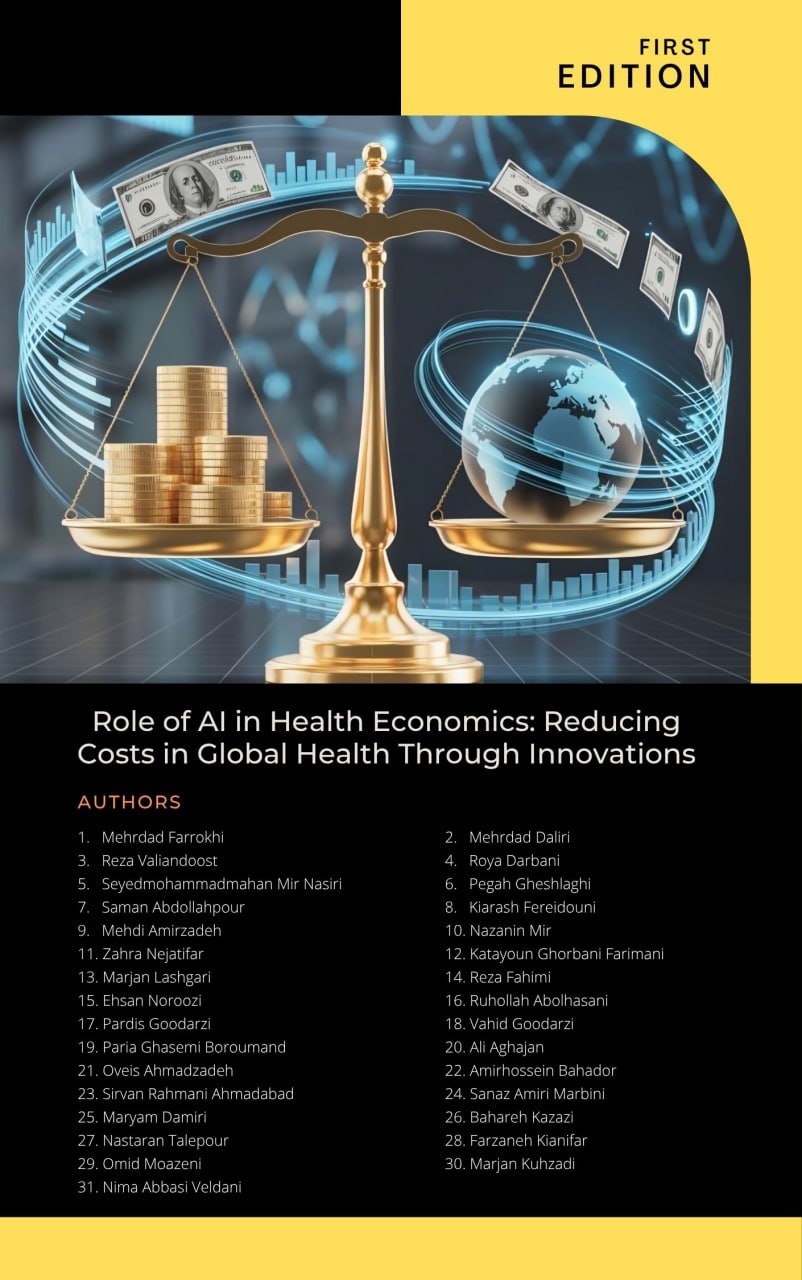
Role of AI in Health Economics: Reducing Costs in Global Health Through Innovations
Keywords:
Artificial Intelligence, Medicine, Machine Learning , EtiologyAbstract
Artificial Intelligence (AI) has emerged as a transformative force in health economics, offering innovative solutions to reduce healthcare costs while improving efficiency, accessibility, and quality of care. As healthcare expenditures continue to rise globally due to aging populations, increasing prevalence of chronic diseases, and growing demand for medical services, AI provides opportunities to optimize resource allocation and enhance the sustainability of healthcare systems. Through predictive analytics, automation, precision medicine, and operational improvements, AI is playing a crucial role in reducing economic burdens in both developed and developing countries. One of the most significant contributions of AI to health economics is its ability to improve disease prevention and early diagnosis. Machine learning algorithms can analyze large volumes of patient data, including electronic health records, imaging studies, laboratory results, and genetic information, to identify individuals at high risk of developing diseases. Early detection of conditions such as cancer, cardiovascular diseases, and diabetes enables timely interventions that prevent complications and reduce the need for costly treatments and hospitalizations. Consequently, healthcare systems can achieve substantial cost savings while improving patient outcomes. AI also enhances operational efficiency within healthcare organizations. Administrative tasks such as appointment scheduling, medical coding, billing, claims processing, and documentation consume significant financial and human resources. AI-powered automation reduces the workload associated with these repetitive processes, minimizes errors, and increases productivity. By streamlining administrative functions, healthcare institutions can lower operational costs and allow healthcare professionals to devote more time to direct patient care. Another important economic benefit of AI is its role in optimizing resource utilization. Predictive models can forecast patient admissions, emergency department visits, disease outbreaks, and healthcare demand patterns. These insights enable hospitals and public health agencies to allocate staff, equipment, medications, and hospital beds more efficiently. Improved resource management reduces waste, prevents shortages, and enhances the overall cost-effectiveness of healthcare delivery. Precision medicine represents another area where AI contributes to economic efficiency. Traditional treatment approaches often involve trial-and-error methods that may result in ineffective therapies, adverse effects, and unnecessary expenditures. AI can analyze genetic, clinical, and lifestyle data to support personalized treatment decisions, ensuring that patients receive the most appropriate interventions. This targeted approach improves treatment success rates and reduces the costs associated with ineffective therapies and prolonged hospital stays. In pharmaceutical research and development, AI is accelerating drug discovery and reducing development expenses. Conventional drug development is a lengthy and costly process with high failure rates. AI algorithms can identify potential drug candidates, predict molecular interactions, and optimize clinical trial designs. These capabilities shorten development timelines and reduce research costs, ultimately leading to more affordable therapies and improved access to medications. AI also supports global health initiatives by extending healthcare services to underserved populations. Telemedicine platforms, virtual health assistants, and AI-driven diagnostic tools enable remote healthcare delivery in resource-limited settings. These technologies reduce travel expenses, expand access to medical expertise, and help address shortages of healthcare professionals, thereby improving healthcare equity while lowering overall costs. In conclusion, AI is revolutionizing health economics by enhancing efficiency, reducing waste, improving clinical outcomes, and supporting cost-effective healthcare delivery. Through innovations in prevention, diagnosis, treatment, administration, and pharmaceutical development, AI has the potential to significantly reduce healthcare expenditures worldwide while advancing the goal of equitable and sustainable global health systems.
References
1. El Arab RA, Al Moosa OA, Sagbakken M. Economic, ethical, and regulatory dimensions of artificial intelligence in healthcare: an integrative review. Front Public Health. 2025;13:1617138.
2. Geppert J, Auguste P, Asgharzadeh A, Ghiasvand H, Patel M, Brown A, et al. Software with artificial intelligence-derived algorithms for detecting and analysing lung nodules in CT scans: systematic review and economic evaluation. Health Technol Assess. 2025;29(14):1-234.
3. Godoy Junior CA, Boverhof BJ, Rutten-van Mölken M, Bijleveld L, Westhuis B, Groot CU, et al. Technological Maturity and Cost-Effectiveness of Medical Artificial Intelligence: A Systematic Review of Health Economic Evaluations. Value Health. 2026;29(5):896-904.
4. Ismail MA. The economic imperative of artificial intelligence in maternal and neonatal health: a review of evaluation benefits, frameworks, challenges, future perspectives, and limitations. Cost Eff Resour Alloc. 2026;24(1).
5. Kakatum Rao S, Gupta P, Mohammed A, Zakhmi K, Ranjan Mohanty M, Prasad Jalaja P. The Impact of Artificial Intelligence on Financial Systems in Healthcare: A Systematic Review of Economic Evaluation Studies. Cureus. 2025;17(6):e86279.
6. Kamalesh R, Thamarai P, Shaji A, Deivayanai VC, Saravanan A, Vickram AS, et al. The Role of Artificial Intelligence in Modern Medicine: Clinical Applications, Economic Implications, and Ethical Considerations. Curr Pharm Des. 2026;32(12):918-35.
7. Kamruzzaman MM. Impact of Social Media on Geopolitics and Economic Growth: Mitigating the Risks by Developing Artificial Intelligence and Cognitive Computing Tools. Comput Intell Neurosci. 2022;2022:7988894.
8. Latwal M, Arora S, Murthy KSR. Data driven AI (artificial intelligence) detection furnish economic pathways for microplastics. J Contam Hydrol. 2024;264:104365.
9. Leigh J, Drinkwater J, Turner A, Schroeder EA. Health Economic Considerations for the Implementation of Artificial Intelligence-Enabled Diabetic Retinopathy Screening: A Review. Clin Exp Ophthalmol. 2026;54(1):144-61.
10. Murnal KA, Knupflemacher DS, Chavez PA, Karanth V, Luzardo AC, Giner R, et al. Advancements in Facial Reconstruction Surgery: The Role of Bioengineered Materials, Artificial Intelligence, and 3D Printing in Addressing Economic Disparities. Cureus. 2025;17(8):e89627.
11. Naveenkumar R, Iyyappan J, Pravin R, Kadry S, Han J, Sindhu R, et al. A strategic review on sustainable approaches in municipal solid waste management andenergy recovery: Role of artificial intelligence,economic stability andlife cycle assessment. Bioresour Technol. 2023;379:129044.
12. O'Malley E, Soth B, Capitano A, Bensa A, Eskew J, Dancy M, et al. Artificial Intelligence and its Current Role in Clinical Outcome Prediction, Musculoskeletal Imaging, and Economic and Ethical Considerations within Orthopedics and Sports Medicine. Curr Rev Musculoskelet Med. 2026;19(1).
13. Parkes DC, Wellman MP. Economic reasoning and artificial intelligence. Science. 2015;349(6245):267-72.
14. Pietris J, Lam A, Bacchi S, Gupta AK, Kovoor JG, Chan WO. Health Economic Implications of Artificial Intelligence Implementation for Ophthalmology in Australia: A Systematic Review. Asia Pac J Ophthalmol (Phila). 2022;11(6):554-62.
15. Ramezani M, Bakhtiari A, Daroudi R, Mobinizadeh M, Fazaeli AA, Olyaeemanesh A, et al. Applications of artificial intelligence and the challenges in health technology assessment: a scoping review and framework with a focus on economic dimensions. Health Econ Rev. 2025;15(1):46.
16. Ramoutar RR. An Economic Analysis for the Use of Artificial Intelligence in Screening for Diabetic Retinopathy in Trinidad and Tobago. Cureus. 2024;16(3):e55745.
17. Ruamviboonsuk P, Ruamviboonsuk V, Tiwari R. Recent evidence of economic evaluation of artificial intelligence in ophthalmology. Curr Opin Ophthalmol. 2023;34(5):449-58.
18. Santana GO, Couto RM, Loureiro RM, Furriel B, de Paula LGN, Rother ET, et al. Economic Evaluations and Equity in the Use of Artificial Intelligence in Imaging Examinations for Medical Diagnosis in People With Dermatological, Neurological, and Pulmonary Diseases: Systematic Review. Interact J Med Res. 2025;14:e56240.
19. Tanveer Y, Arif A, Tsenteradze T, Anika NN, Bakht D, Masood QF, et al. Revolutionizing Heart Transplantation: A Multidisciplinary Approach to Xenotransplantation, Immunosuppression, Regenerative Medicine, Artificial Intelligence, and Economic Sustainability. Cureus. 2023;15(9):e46176.
20. Vithlani J, Hawksworth C, Elvidge J, Ayiku L, Dawoud D. Economic evaluations of artificial intelligence-based healthcare interventions: a systematic literature review of best practices in their conduct and reporting. Front Pharmacol. 2023;14:1220950.
21. Voets MM, Veltman J, Slump CH, Siesling S, Koffijberg H. Systematic Review of Health Economic Evaluations Focused on Artificial Intelligence in Healthcare: The Tortoise and the Cheetah. Value Health. 2022;25(3):340-9.
22. Wolff J, Pauling J, Keck A, Baumbach J. The Economic Impact of Artificial Intelligence in Health Care: Systematic Review. J Med Internet Res. 2020;22(2):e16866.
23. Wu H, Jin K, Yip CC, Koh V, Ye J. A systematic review of economic evaluation of artificial intelligence-based screening for eye diseases: From possibility to reality. Surv Ophthalmol. 2024;69(4):499-507.
24. Zhang Y, Wang L, Liang Y, Vasan Thakumar A, Hu H, Li Y, et al. A Systematic Review of the Methods and Quality of Economic Evaluations for Artificial-Intelligence-Assisted Cancer Screening or Diagnosis. Value Health. 2026;29(4):690-700.
25. Abogunrin S, Muir JM, Zerbini C, Sarri G. How much can we save by applying artificial intelligence in evidence synthesis? Results from a pragmatic review to quantify workload efficiencies and cost savings. Front Pharmacol. 2025;16:1454245.
26. Badimon L, Robinson EL, Jusic A, Carpusca I, deWindt LJ, Emanueli C, et al. Cardiovascular RNA markers and artificial intelligence may improve COVID-19 outcome: a position paper from the EU-CardioRNA COST Action CA17129. Cardiovasc Res. 2021;117(8):1823-40.
27. Brin D, Tau N. Cost-effectiveness of artificial intelligence tools in radiology: a systematic review. Eur Radiol. 2026;36(5):3755-65.
28. Caruso PF, Greco M, Ebm C, Angelotti G, Cecconi M. Implementing Artificial Intelligence: Assessing the Cost and Benefits of Algorithmic Decision-Making in Critical Care. Crit Care Clin. 2023;39(4):783-93.
29. Gebrye T, Mbada C, Niyi-Odumosu F, Fatoye C, Odetunde M, Hakimi Z, et al. Cost-effectiveness of artificial intelligence interventions for musculoskeletal disorders of the spine: a systematic review. Rheumatol Int. 2026;46(6).
30. Golding LP, Nicola GN. A Business Case for Artificial Intelligence Tools: The Currency of Improved Quality and Reduced Cost. J Am Coll Radiol. 2019;16(9 Pt B):1357-61.
31. Gomez Rossi J, Feldberg B, Krois J, Schwendicke F. Evaluation of the Clinical, Technical, and Financial Aspects of Cost-Effectiveness Analysis of Artificial Intelligence in Medicine: Scoping Review and Framework of Analysis. JMIR Med Inform. 2022;10(8):e33703.
32. Halvorsen N, Mori Y. Cost-Effectiveness for Artificial Intelligence in Colonoscopy. Gastrointest Endosc Clin N Am. 2025;35(2):401-5.
33. Lachance CC, Walter M. CADTH Rapid Response Reports. Artificial Intelligence for Classification of Lung Nodules: A Review of Clinical Utility, Diagnostic Accuracy, Cost-Effectiveness, and Guidelines. Ottawa (ON): Canadian Agency for Drugs and Technologies in Health
Copyright © 2020 Canadian Agency for Drugs and Technologies in Health.; 2020.
34. Rajesh AE, Davidson OQ, Lee CS, Lee AY. Artificial Intelligence and Diabetic Retinopathy: AI Framework, Prospective Studies, Head-to-head Validation, and Cost-effectiveness. Diabetes Care. 2023;46(10):1728-39.
35. Rangraz Jeddi F, Nickfarjam AM, Sharif R, Heydarian S, Holl F. The Impact of Artificial Intelligence in Reducing the Cost of Dementia: A Scoping Review. Stud Health Technol Inform. 2025;323:81-5.
36. Rao HB, Sastry NB, Venu RP, Pattanayak P. The role of artificial intelligence based systems for cost optimization in colorectal cancer prevention programs. Front Artif Intell. 2022;5:955399.
37. Rizvi A, Rizvi F, Lalakia P, Hyman L, Frasso R, Sztandera L, et al. Is Artificial Intelligence the Cost-Saving Lens to Diabetic Retinopathy Screening in Low- and Middle-Income Countries? Cureus. 2023;15(9):e45539.
38. Sharma S, Ahmed S, Naseem M, Alnumay WS, Singh S, Cho GH. A Survey on Applications of Artificial Intelligence for Pre-Parametric Project Cost and Soil Shear-Strength Estimation in Construction and Geotechnical Engineering. Sensors (Basel). 2021;21(2).
39. Westwood M, Ramaekers B, Grimm S, Armstrong N, Wijnen B, Ahmadu C, et al. Software with artificial intelligence-derived algorithms for analysing CT brain scans in people with a suspected acute stroke: a systematic review and cost-effectiveness analysis. Health Technol Assess. 2024;28(11):1-204.
40. Xiao X, Xue L, Ye L, Li H, He Y. Health care cost and benefits of artificial intelligence-assisted population-based glaucoma screening for the elderly in remote areas of China: a cost-offset analysis. BMC Public Health. 2021;21(1):1065.
41. da Silva RGL. The advancement of artificial intelligence in biomedical research and health innovation: challenges and opportunities in emerging economies. Global Health. 2024;20(1):44.
42. Fleurence RL, Wang X, Bian J, Higashi MK, Ayer T, Xu H, et al. A Taxonomy of Generative Artificial Intelligence in Health Economics and Outcomes Research: An ISPOR Working Group Report. Value Health. 2025;28(11):1601-10.
43. Harré MS. Information Theory for Agents in Artificial Intelligence, Psychology, and Economics. Entropy (Basel). 2021;23(3).
44. Khiari Z. Enzymes from Fishery and Aquaculture Waste: Research Trends in the Era of Artificial Intelligence and Circular Bio-Economy. Mar Drugs. 2024;22(9).
45. Khongsomchit L, Kaewunruen S. Advancing Circular Economy Implementation for High-Speed Train Rolling Stocks by the Integration of Digital Twins and Artificial Intelligence. Sensors (Basel). 2025;25(20).
46. Nakamura K. Information seeking criteria: artificial intelligence, economics, psychology, and neuroscience. Rev Neurosci. 2022;33(1):31-41.
47. Rashwan AK, Eltohamy KM, Mustafa AM, El-Shiekh RA, El-Dessouki AM, Abo-Elghiet F, et al. Valorization of coffee processing by-products for circular economy: Environmental, food, pharmaceutical applications, and artificial intelligence-based optimization approaches. Bioresour Technol. 2026;449:134399.
48. Seyyedi SR, Kowsari E, Ramakrishna S, Gheibi M, Chinnappan A. Marine plastics, circular economy, and artificial intelligence: A comprehensive review of challenges, solutions, and policies. J Environ Manage. 2023;345:118591.
49. Smith JC, Smith MD, Liu SH, Rukmani SJ, Mohan M, Yu Y, et al. Molecular simulation and artificial intelligence for the circular economy of bioenergy and bioproducts. Biophys J. 2025;124(22):3827-52.
50. Tun HM, Rahman HA, Naing L, Malik OA. Health economics evaluation of artificial intelligence in the field of oncology: a scoping review. Health Econ Rev. 2026;16(1).
51. Völkel L, Wagner AD. [Faster diagnosis of rare diseases with artificial intelligence-A precept of ethics, economy and quality of life]. Inn Med (Heidelb). 2023;64(11):1033-40.
52. Ali ZA, Zain M, Pathan MS, Mooney P. Contributions of artificial intelligence for circular economy transition leading toward sustainability: an explorative study in agriculture and food industries of Pakistan. Environ Dev Sustainability. 2024;26(8):19131-75.
53. Bobrovska O, Savostenko T, Krushelnytska T, Kakhovska O, Shevchenko L. Integration of the Financial Market in the EU Economic System: The Role of Artificial Intelligence. Econ Aff. 2023;68(1):583-98.
54. Bodewes W, De Hoog J, Ratnam EL, Halgamuge S. Exploring the Intersection of Artificial Intelligence and Microgrids in Developing Economies: A Review of Practical Applications. Curr Sustain Renew Energy Rep. 2024;11(1):10-23.
55. Chalioti E. Economics of artificial intelligence and innovation. J Econ Educ. 2022;53(2):188-91.
56. Challoumis C, Eriotis N. The impact of artificial intelligence on the Greek economy. J Open Innov: Technol Mark Complex. 2025;11(3).
57. Chauhan M, Perera IM. Artificial intelligence: promises, perils—and political economy. Fr Polit. 2024;22(2):152-63.
58. Chavula P, Kayusi F. Systematic Review on the Application of Nanotechnology and Artificial Intelligence in Agricultural Economics. LatIA. 2025;3.
59. Chrouda A, Al-Saleem NK, Almoteiry A, Alhajri F, Zitouni A, Slimi K, et al. Artificial intelligence and machine learning models for electrolyzers and fuel cells optimization: A review on empowering sustainable hydrogen economy. Fuel. 2027;427.
60. Ciano T, Laganà IR, Pansera BA, Ferrara M. Artificial Intelligence for Managing the Complexity of the Socio-Economic Systems towards Horizon 2020 and Agenda 2030. ArcHistoR. 2019(6):139-45.
61. El Arab RA, Al Moosa OA, Sagbakken M. Economic, ethical, and regulatory dimensions of artificial intelligence in healthcare: an integrative review. Front Public Health. 2025;13.
62. Filho JJDS, Paço AD, Gaspar PD. Artificial Intelligence and MCDA in Circular Economy: Governance Strategies and Optimization for Reverse Supply Chains of Solid Waste. Appl Sci. 2025;15(9).
63. Fleurence RL, Wang X, Bian J, Higashi MK, Ayer T, Xu H, et al. A Taxonomy of Generative Artificial Intelligence in Health Economics and Outcomes Research: An ISPOR Working Group Report. Value in Health. 2025;28(11):1601-10.
64. Gebremeskel TG, Romeo F. Economic Viability of Artificial Intelligence Assistance in Lung Cancer Screening Using Computed Tomography. Comput Syst Oncol. 2024;4(2).
65. Gesami BK, Nunoo J. Artificial intelligence in marine ecosystem management: addressing climate threats to Kenya’s blue economy. Front Mar Sci. 2024;11.
66. Godoy Junior CA, Boverhof BJ, Rutten-van Mölken PMH, Bijleveld L, Westhuis B, Groot CUD, et al. Technological Maturity and Cost-Effectiveness of Medical Artificial Intelligence: A Systematic Review of Health Economic Evaluations. Value in Health. 2026;29(5):896-904.
67. Hamori S, Kume T. Artificial intelligence and economic growth. Adv Decis Sci. 2018;22.
68. Hanafi MM, Kshetri N, Sharma R. Economics of Artificial Intelligence in the Gulf Cooperation Council Countries. Computer. 2021;54(12):92-8.
69. Hang H, Chen Z. How to realize the full potentials of artificial intelligence (AI) in digital economy? A literature review. J Digit Econ. 2022;1(3):180-91.
70. Harré MS. Information theory for agents in artificial intelligence, psychology, and economics. Entropy. 2021;23(3):1-19.
71. Ismail MA. The economic imperative of artificial intelligence in maternal and neonatal health: a review of evaluation benefits, frameworks, challenges, future perspectives, and limitations. Cost Eff Resour Allocat. 2026;24(1).
72. Jiao Z, Zhang C, Li W. Artificial Intelligence in Energy Economics Research: A Bibliometric Review. Energies. 2025;18(2).
73. Kamalesh R, Thamarai P, Shaji A, Deivayanai VC, Saravanan A, Vickram AS, et al. The Role of Artificial Intelligence in Modern Medicine: Clinical Applications, Economic Implications, and Ethical Considerations. Curr Pharm Des. 2026;32(12):918-35.
74. Kasireddy M, Lee RK. The Economics of Artificial Intelligence: Focusing on the Metrics. Appl Radiol. 2022;51(3):13-5.
75. Kessler S, Mebine P, Von Schweber E, Von Schweber L, Desai M, McConnell W, et al. Economic and utilization outcomes of medication management at a large medicaid plan with disease management pharmacists using a novel artificial intelligence platform from 2018 to 2019: A retrospective observational study using regression methods. J Manag Care Spec Pharm. 2021;27(9):1186-96.
76. Khanna M, Atallah SS, Heckelei T, Wu L, Storm H. Economics of the Adoption of Artificial Intelligence-Based Digital Technologies in Agriculture. Annu Rev Resour Econ. 2024;16(1):41-61.
77. Khiari Z. Enzymes from Fishery and Aquaculture Waste: Research Trends in the Era of Artificial Intelligence and Circular Bio-Economy. Marine Drugs. 2024;22(9).
78. Khongsomchit L, Kaewunruen S. Advancing Circular Economy Implementation for High-Speed Train Rolling Stocks by the Integration of Digital Twins and Artificial Intelligence. Sensors. 2025;25(20).
79. Korinek A, Stiglitz JE. Covid-19 driven advances in automation and artificial intelligence risk exacerbating economic inequality. BMJ. 2021;372.
80. Kshetri N. Economics of Artificial Intelligence in Cybersecurity. IT Prof. 2021;23(5):73-7.
81. Kshetri N, Sharma R, Shaikh AA. Economic and Social Impacts of Generative Artificial Intelligence. IT Prof. 2025;27(2):17-20.
82. Lamnatou C, Cristofari C, Chemisana D. Artificial Intelligence (AI) in relation to environmental life-cycle assessment, photovoltaics, smart grids and small-island economies. Sustainable Energy Technol Assess. 2024;71.
83. Leigh J, Drinkwater J, Turner A, Schroeder EA. Health Economic Considerations for the Implementation of Artificial Intelligence-Enabled Diabetic Retinopathy Screening: A Review. Clin Exp Ophthalmol. 2026;54(1):144-61.
84. Liang YY, Li M. Electrodialysis for lithium recovery from brine: Process configurations, techno-economic analysis, challenges and opportunities with artificial intelligence. J Environ Chem Eng. 2025;13(5).
85. Linde N, Balian A, Shabatura T, Gryshova I, Yakovenko A, Hnatieva T. Artificial Intelligence in Waste Management in the Context of Implementing Circular Economy. Grassroots J Nat Resour. 2024;7(3):s149-s72.
86. Lyu Q, Wu S. Explainable Artificial Intelligence for Business and Economics: Methods, Applications and Challenges. Expert Syst. 2025;42(4).
87. Martín-Hernández E, Hernández B, Munguia-Lopez ADC, Omelon S. Artificial intelligence and machine learning for process and policy design in the transition towards circular economy systems: advancements and opportunities. Curr Opin Chem Eng. 2026;51.
88. Martínez-García AN. Artificial Intelligence for Sustainable Complex Socio-Technical-Economic Ecosystems. Computation. 2022;10(6).
89. Marushchak S, Fadyeyeva I, Halachev P, Zharkenov N, Pakhomov S. The role of artificial intelligence and machine learning in forecasting economic trends. Data Metadata. 2024;3.
90. Masood A, Ahmed U, Hassan SZ, Khan AR, Mahmood A. Economic Value Creation of Artificial Intelligence in Supporting Variable Renewable Energy Resource Integration to Power Systems: A Systematic Review. Sustainability. 2025;17(6).
91. Miskat MI, Sarker P, Chowdhury H, Chowdhury T, Rahman MS, Hossain N, et al. Current Scenario of Solar Energy Applications in Bangladesh: Techno-Economic Perspective, Policy Implementation, and Possibility of the Integration of Artificial Intelligence. Energies. 2023;16(3).
92. Noman AA, Akter UH, Pranto TH, Haque AKMB. Machine Learning and Artificial Intelligence in Circular Economy: A Bibliometric Analysis and Systematic Literature Review. Ann Emer Tech Comp. 2022;6(2):13-40.
93. O’Malley E, Soth B, Capitano A, Bensa A, Eskew J, Dancy M, et al. Artificial Intelligence and its Current Role in Clinical Outcome Prediction, Musculoskeletal Imaging, and Economic and Ethical Considerations within Orthopedics and Sports Medicine. Curr Rev Musculoskelet Med. 2026;19(1).
94. Onyeaka H, Tamasiga P, Nwauzoma UM, Miri T, Juliet UC, Nwaiwu O, et al. Using Artificial Intelligence to Tackle Food Waste and Enhance the Circular Economy: Maximising Resource Efficiency and Minimising Environmental Impact: A Review. Sustainability. 2023;15(13).
95. Parkes DC, Wellman MP. Economic reasoning and artificial intelligence. Science. 2015;349(6245):267-72.
96. Pathan MS, Richardson E, Galvan E, Mooney P. The Role of Artificial Intelligence within Circular Economy Activities—A View from Ireland. Sustainability. 2023;15(12).
97. Pau LF, Tan PY. Chapter 8 Artificial intelligence in economics and finance: A state of the art - 1994. The real estate price and assets and liability analysis case. Handb Comp Econ. 1996;1:405-39.
98. Pham HT, Nong D, Simshauser P, Nguyen GH, Duong KT. Artificial intelligence (AI) development in the Vietnam's energy and economic systems: A critical review. J Clean Prod. 2024;438.
99. Pietris J, Lam A, Bacchi S, Gupta AK, Kovoor JG, Chan WO. Health Economic Implications of Artificial Intelligence Implementation for Ophthalmology in Australia: A Systematic Review. Asia-Pacific J Ophthalmol. 2022;11(6):554-62.
100. Prajapat S, Singh AK. Exploring the Evolution and Impact of Artificial Intelligence in Science Fiction Cinema: An Overview with Financial and Economic Context. Econ Aff. 2024;69(2):1097-107.
101. Pregowska A, Osial M, Urbańska W. The Application of Artificial Intelligence in the Effective Battery Life Cycle in the Closed Circular Economy Model—A Perspective. Recycl. 2022;7(6).
102. Ramezani M, Bakhtiari A, Daroudi R, Mobinizadeh M, Fazaeli AA, Olyaeemanesh A, et al. Applications of artificial intelligence and the challenges in health technology assessment: a scoping review and framework with a focus on economic dimensions. Health Econ Rev. 2025;15(1).
103. Rashwan AK, Eltohamy KM, Mustafa AM, El-Shiekh RA, El-Dessouki AM, Abo-Elghiet F, et al. Valorization of coffee processing by-products for circular economy: Environmental, food, pharmaceutical applications, and artificial intelligence-based optimization approaches. Bioresour Technol. 2026;449.
104. Raut S, Hossain NUI, Kouhizadeh M, Fazio SA. Application of artificial intelligence in circular economy: A critical analysis of the current research. Sustain Future. 2025;9.
105. Razavi SA, Manshad AK, Kashani L. Applications of econometrics and artificial intelligence in oil price prediction: A systematic review study. Energy Strateg Rev. 2026;65.
106. Rezaei A, Abdellatif I, Umar A. Towards Economic Sustainability: A Comprehensive Review of Artificial Intelligence and Machine Learning Techniques in Improving the Accuracy of Stock Market Movements. Intern J Financial Stud. 2025;13(1).
107. Rodriguez-Fernandez F. Artificial intelligence and economic psychology: toward a theory of algorithmic cognitive influence. AI Soc. 2026;41(2):1481-92.
108. Rojek I, Mikołajewski D, Prokopowicz P. The Impact of Novel Artificial Intelligence Methods on Energy Productivity, Industrial Transformation and Digitalization Within the Framework of Energy Economics, Efficiency and Sustainability. Energies. 2025;18(19).
109. Ruamviboonsuk P, Chantra S, Seresirikachorn K, Ruamviboonsuk V, Sangroongruangsri S. Economic Evaluations of Artificial Intelligence in Ophthalmology. Asia-Pacific J Ophthalmol. 2021;10(3):307-16.
110. Ruamviboonsuk P, Ruamviboonsuk V, Tiwari R. Recent evidence of economic evaluation of artificial intelligence in ophthalmology. Curr Opin Ophthalmol. 2023;34(5):449-58.
111. Sahabuddin M, Begum F, Bubu MAH, Sheikh MS, Jamadar Y. Leveraging artificial intelligence for enhanced central banking regulation in emerging economies: A bibliometric analysis. SN Bus Econ. 2025;5(12).
112. Santana GO, de Macedo Couto R, Loureiro RM, Furriel BCRS, Rother ET, de Paiva JPQ, et al. Economic Evaluations and Equity in the Use of Artificial Intelligence in Imaging Exams for Medical Diagnosis in People With Skin, Neurological, and Pulmonary Diseases: Protocol for a Systematic Review. JMIR Res Prot. 2023;12(1).
113. Senthil Rathi B, Senthil Kumar P, Sanjay S, Prem Kumar M, Rangasamy G. Artificial intelligence integration in conventional wastewater treatment techniques: techno-economic evaluation, recent progress and its future direction. Int J Environ Sci Technol. 2025;22(1):633-58.
114. Seyyedi SR, Kowsari E, Gheibi M, Chinnappan A, Ramakrishna S. A comprehensive review integration of digitalization and circular economy in waste management by adopting artificial intelligence approaches: Towards a simulation model. J Clean Prod. 2024;460.
115. Silva PJ, Silva PA, Ramos KS. Genomic and Health Data as Fuel to Advance a Health Data Economy for Artificial Intelligence. BioMed Res Int. 2025;2025(1).
116. Singh R, Joshi A, Dissanayake H, Nainanayake D, Kumar V. Harnessing Artificial Intelligence and Human Resource Management for Circular Economy and Sustainability: A Conceptual Integration. Sustainability. 2025;17(15).
117. Smith JC, Smith MD, Liu SH, Rukmani SJ, Mohan M, Yu Y, et al. Molecular simulation and artificial intelligence for the circular economy of bioenergy and bioproducts. Biophys J. 2025;124(22):3827-52.
118. Somjai S, Jermsittiparsert K, Chankoson T. Determining the initial and subsequent impact of artificial intelligence adoption on economy: A macroeconomic survey from ASEAN. J Intelligent Fuzzy Syst. 2020;39(4):5459-74.
119. Tokunova A, Zvonar V, Polozhentsev D, Pavlova V, Teres Y. Economic Consequences of Artificial Intelligence and Labor Automation: Employment Recovery, Transformation of Labor Markets, and Dynamics of Social Structure in the Context of Digital Transformation. Econ Aff. 2023;68(4):2035-46.
120. Tun HM, Rahman HA, Naing L, Malik OA. Health economics evaluation of artificial intelligence in the field of oncology: a scoping review. Health Econ Rev. 2026;16(1).
121. Túñez López JM. Trends and impact of artificial intelligence in communication: Cobotisation, gig economy, co-creation and governance. Fonseca J Commun. 2021(22):5-22.
122. Vithlani J, Hawksworth C, Elvidge J, Ayiku L, Dawoud D. Economic evaluations of artificial intelligence-based healthcare interventions: a systematic literature review of best practices in their conduct and reporting. Front Pharmacol. 2023;14.
123. Wang Y, Qin M, Miao Q, Wang X. How generative artificial intelligence empowers research in the energy economy field: a scientific knowledge map analysis based on CiteSpace. Carbon Manage. 2025;16(1).
124. Wolff J, Pauling J, Keck A, Baumbach J. The economic impact of artificial intelligence in health care: Systematic review. J Med Internet Res. 2020;22(2).
125. Wu H, Jin K, Yip CC, Koh V, Ye J. A systematic review of economic evaluation of artificial intelligence-based screening for eye diseases: From possibility to reality. Surv Ophthalmol. 2024;69(4):499-507.
126. Zhang Y, Wang L, Liang Y, Vasan Thakumar A, Hu H, Li Y, et al. A Systematic Review of the Methods and Quality of Economic Evaluations for Artificial-Intelligence-Assisted Cancer Screening or Diagnosis. Value in Health. 2026;29(4):690-700.
127. Zhao L, Dai T, Qiao Z, Sun P, Hao J, Yang Y. Application of artificial intelligence to wastewater treatment: A bibliometric analysis and systematic review of technology, economy, management, and wastewater reuse. Process Saf Environ Prot. 2020;133:169-82.
128. Žunac AG, Ercegovac P, Vuletić A. Burnout and Digital Storytelling in Business and Economics Education in the Age of Artificial Intelligence: A Literature Review. Bus Syst Res. 2026;17(1):289-301.
129. Achal DK, Vijaya GS. AI-Enhanced Circular Economy and Sustainability in the Indian Electric Two-Wheeler Industry: A Review. World Electr Veh J. 2025;16(11).
130. Agarwal S, Kweh QL, Goh KW, Wider W. Redefining marketing strategies through sustainability: Influencing consumer behavior in the circular economy: A systematic review and future research roadmap. Clean Responsible Consum. 2025;18.
131. Ahmed SMM, Bagaini A, Croci E. District Heating Benefits and Economic Assessment Methods: A Systematic Review and the Role of Emerging Technologies. Energies. 2025;18(24).
132. Akuma SO, Yazdi SK, Eze U. A review of resource recovery from palm oil mill effluent (POME): Recent technological innovations and pathways to circular economy. Next Sustain. 2026;7.
133. Alamandi M. Sustainable Innovation Management: Balancing Economic Growth and Environmental Responsibility. Sustainability. 2025;17(10).
134. Ali SS, Xiong M, Jiao H, Al-Tohamy R, Sun J. Recent advances in plastic waste management: A systems-level framework for circular plastic economy strategies—A state-of-the-art review. J Environ Manage. 2026;404.
135. Anang S, Ibrahim MG, Nasr M. Industrial wastewater treatment by downflow hanging sponge system: Techno-economic analysis, life cycle assessment, and sustainable development goals fulfillment. J Environ Chem Eng. 2025;13(2).
136. Araújo IMCN, Gohr CF, Santos LC. Exploring the Integration Between Industry 4.0 Technologies and Circular Economy practices: a Systematic Literature Review and ISM/MICMAC Approach. Circ Econ Sustain. 2026;6(2).
137. Barathi A, Kundu D, Pooja K, Surya M, Jacob S, Samanta P, et al. Toward sustainable industry: integrating industrial symbiosis, biorefineries, and circular economy for SDG alignment. Sustain Energy Fuels. 2026;10(8):1816-44.
138. Bashynska I. Ethical aspects of AI use in the circular economy. AI Soc. 2026;41(1):575-93.
139. Baskaran D, Byun HS. Future-proofing CO2 mitigation towards a circular economy: A systematic review on process integration and advanced tools. Environ Sci Ecotechnol. 2025;26.
140. Bassyouni M, Nasser R, El-Bagoury M, Shaker I, Attia AM, Elhenawy Y, et al. Integrating medical plastic waste pyrolysis and circular economy for environmental sustainability. Renewable Sustainable Energy Rev. 2025;209.
141. Bhushan A, Misra P. Unlocking the potential: multimodal AI in biotechnology and digital medicine—economic impact and ethical challenges. npj Digit Med. 2025;8(1).
142. Bombaerts G, Hannes T, Adam M, Aloisi A, Anderson J, Arvidson PS, et al. Beyond the attention economy, towards an ecology of attending. A manifesto. AI Soc. 2026;41(1):477-92.
143. Bordin C, Hridoy MAAM, Pathan MM, Islam SMS, Lima MA, Rahim MTN, et al. Energy storage in the energy transition and blue economy: challenges, innovations, future perspectives, and educational pathways. Discov appl sci. 2025;7(10).
144. Bostan I. Consolidating the Role of AI in the Economy and Society: Combating the Deepfake Phenomenon Through Strategic and Normative Approaches—The Case of Romania in the EU Context. Economies. 2025;13(5).
145. Chaudhary A, Rathour RK, Solanki P, Mehta Kakkar P, Pathania S, Walia A, et al. Recent technological advancements in biomass conversion to biofuels and bioenergy for circular economy roadmap. Renew Energy. 2025;244.
146. Chen QF, Jiang XY, Chen S, Wang J, Zhao M. Hepatocellular carcinoma surveillance: a health economic evaluation. Clin Mol Hepatol. 2026;32(2).
147. Chen X, Li Y. Aggregate production functions in the digital economy: A survey of microfoundational approaches. J Digit Econ. 2026;5:87-98.
148. Chidara A, Cheng K, Gallear D. Engineering Innovations for Polyvinyl Chloride (PVC) Recycling: A Systematic Review of Advances, Challenges, and Future Directions in Circular Economy Integration. Mach. 2025;13(5).
149. Chouhan SS, Patel RK, Singh UP, Tejani GG. Integrating drone in Agriculture: Addressing technology, challenges, solutions, and applications to drive economic growth. Remote Sens Appl Soc Environ. 2025;38.
150. Čišić D, Drezgić S, Čegar S. Waste and the Urban Economy: A Semantic Network Analysis of Smart, Circular, and Digital Transitions. Urban Sci. 2025;9(10).
151. Cook N, Bartoš F, Bom PRD, Gechert S, Kantová K, Geyer-Klingeberg J, et al. Reporting Guidelines for Meta-Analysis in Economics—Updated for AI. J Econ Surv. 2026.
152. Coronado-Contreras SA, Ibarra-Manzanares ZG, Casas-Rodríguez AD, Pastrana-Pastrana ÁJ, Sepúlveda L, Rodríguez-Herrera R. Bio-Circular Economy and Digitalization: Pathways for Biomass Valorization and Sustainable Biorefineries. Biomass. 2026;6(1).
153. Cui Y, Jurasz J, Ming B, Su C, Canales FA. Review of sizing methodologies for hydropower-based hybrid energy systems: a techno-economic perspective. Renewable Sustainable Energy Rev. 2026;232.
154. D’Souza RS, Shanthanna H. Ethics, economics, and patient-centered outcomes of spinal cord stimulation. Curr Opin Anaesthesiol. 2025.
155. Daovisan H. Responsible or Sustainable AI? Circular Economy Models in Smart Cities. Sustainability. 2026;18(1).
156. Dell M. Deep Learning for Economists. J Econ Lit. 2025;63(1):5-58.
157. Deva Darshinii B, Yuvarajan D, Anbarasu K. Industrial Byproducts as Sustainable Feedstocks for Biopharmaceutical Manufacturing: Waste-to-Medicine Pathways for a Circular Economy. Biotechnol Appl Biochem. 2026;73(3):1680-701.
158. Dote-Pardo JS, Severino-González P. Economic and financial crimes: evidence from the literature in emerging markets. J Money Laund Control. 2025;28(2):253-74.
159. Elmaazouzi L, Lizoul B, Tayoub S, Driouich A, Lmachraa I, Laftani Y, et al. Sardine solid waste conversion into natural hydroxyapatite for economical and sustainable water treatment aligned with SDGs. Int J Environ Sci Technol. 2026;23(4).
160. Eltohamy MS, Tawfiq MH, Ahmed MMR, Alaas Z, Mohammed B, Ahmed I, et al. A comprehensive review of Vehicle-to-Grid V2G technology: Technical, economic, regulatory, and social perspectives. Energy Convers Manage X. 2025;27.
161. Ertz M, Gasteau F, Ouerghemmi C. The digital transition of collaborative consumption: toward sharing Economy 4.0. Mark Intell Plann. 2025:1-20.
162. Felicioni L, Klepačová K, Hejtmánková B. Economic Assessment of Building Adaptation to Climate Change: A Systematic Review of Cost Evaluation Methods. Smart Cities. 2025;8(5).
163. Feng L, Liu H, Zhao Y, Wang X, Zhou F, Li W. Semantic Communication for Low-Altitude Economy: Harnessing the Power of Generative AI and Edge Intelligence. IEEE Wirel Commun. 2026;33(1):36-44.
164. Fleurence RL, Dawoud D, Bian J, Higashi MK, Wang X, Xu H, et al. ELEVATE-GenAI: Reporting Guidelines for the Use of Large Language Models in Health Economics and Outcomes Research: An ISPOR Working Group Report. Value in Health. 2025;28(11):1611-25.
165. Flores Lara JC, El Fadel M, Khalfan MMA. Integrating Industry 4.0 and circular economy in the UAE construction sector: a policy-aligned framework. Built Environ Proj Asset Manage. 2025;15(3):535-56.
166. Gai Y, Liu S, Zhang Z, Wei J, Wang H, Liu L, et al. Integrative Approaches to Soybean Resilience, Productivity, and Utility: A Review of Genomics, Computational Modeling, and Economic Viability. Plants. 2025;14(5).
167. Gao X, Wang Y, Liu B, Zhou X, Zhang R, Wang J, et al. Agentic Satellite-Augmented Low-Altitude Economy and Terrestrial Networks: A Survey on Generative Approaches. IEEE Commun Surv Tutor. 2026;28:4800-41.
168. Gille F, Maaß L, Ho B, Srivastava D. From Theory to Practice: Viewpoint on Economic Indicators for Trust in Digital Health. J Med Internet Res. 2025;27.
169. González F, Arévalo P, Ramirez L. Game Theory and Robust Predictive Control for Peer-to-Peer Energy Management: A Pathway to a Low-Carbon Economy. Sustainability. 2025;17(5).
170. Gregory L, Lock F, Harvey H, Zanca F. Economic evaluations of AI applications in radiology: a systematic review. Eur Radiol. 2026.
171. Guo J, Zhang W, Zhou B, Yan C, Zhang X, Sun Y, et al. Progress and Prospect of Research on the Key Frontier Scientific and Technological Issues in Low-Altitude Economy Meteorology. Meteorol Mon. 2025;51(11):1455-76.
172. Handoyo S, Sueb M. Integrating Digital Technologies Into the Circular Economy: a Systematic Literature Review of Trends, Challenges, and Opportunities. Circ Econ Sustain. 2026;6(2).
173. Hernandez JCR, Villa-Enciso E, Cardona-Acevedo S, Valencia J, Velasquez Salas S. Smart Innovation for a Circular Economy: A Systematic Review of Emerging Trends and the Future of AI in the Sustainable Economy. Sustainability. 2025;17(13).
174. How S, Brousseau VD, Agarwal D, Kaye-Blake W, Buckow R, Weeks M. Integrative modelling of fractionation, functionality, and environmental-economic trade-offs to support the transition to sustainable plant based ingredients. Trends Food Sci Technol. 2025;164.
175. Hu JL, Li Y, Chew JC. Industry 5.0 and Human-Centered Energy System: A Comprehensive Review with Socio-Economic Viewpoints. Energies. 2025;18(9).
176. Ikhajangbe OE, Dhulipati H, Liu S. Economic Impacts and Mitigation for the Grid Connected Electric Vehicle Charging: A Technical and Operational Overview. IEEE Access. 2026;14:60099-121.
177. Jaiswal T, Hasan MA, Das S, Tiwari V. Advancing Sustainable Services Through ESG and Circular Economy: Technology-Driven Pathways for Supply Chain Transformation. Sustainable Dev. 2026.
178. Jallouli R, Tobji MAB, Sadok H, Lajfari K. Driving the Digital Economy with Cutting-Edge Technologies, Innovation, and Data Analytics. J Telecommun Digit Econ. 2025;13(1):1-11.
179. Jamali R, Lazarova-Molnar S. Agent-based modeling and simulation for economic markets: a comprehensive review of applications, challenges, and opportunities. J Simul. 2026.
180. Jarquin-Segovia R, Marmolejo-Saucedo JA. Optimization Techniques for Improving Economic Profitability Through Supply Chain Processes: A Systematic Literature Review. Mathematics. 2026;14(1).
181. Jayabal R, Nagappan B, Jena SP, Tiwari A, K VR, Kushwah A, et al. Hybrid solar-PCM energy storage systems: Design optimization, thermal management, performance benchmarking, and techno-economic perspectives. Result Eng. 2026;30.
182. Jiang X, Bateer B. A systematic review of plastic recycling: technology, environmental impact and economic evaluation. Waste Manage Res. 2025;43(8):1159-78.
183. Jørgensen BN, Ma ZG. Impact of EU Laws on the Adoption of AI and IoT in Advanced Building Energy Management Systems: A Review of Regulatory Barriers, Technological Challenges, and Economic Opportunities. Buildings. 2025;15(13).
184. Joshi S, Varma P, Kandasubramanian B. Circular economy strategies in biodesulfurization: bridging sustainability and sulfur recovery. Arch Microbiol. 2026;208(1).
185. Kamel C, Khalil F, Mouawad J, Kechli W, Kaspard J. Enabling Green Innovation in the Circular Economy: A Systematic Thematic Review of Digitalization and Stakeholder Engagement. Sustainability. 2026;18(3).
186. Kang TC, Lai IL, Shen PC. Laparoscopic artificial insemination in small ruminants: technological integration, economic evaluation, and future perspectives. Front Vet Sci. 2025;12.
187. Keles C, Cruz Rios F, Hoque S. Digital Technologies and Circular Economy in the Construction Sector: A Review of Lifecycle Applications, Integrations, Potential, and Limitations. Buildings. 2025;15(4).
188. Ketjoy N, Muna YB, Kaewpanha M, Chamsa-ard W, Suriwong T, Termritthikun C. Grid-Scale Battery Energy Storage and AI-Driven Intelligent Optimization for Techno-Economic and Environmental Benefits: A Systematic Review. Batteries. 2026;12(1).
189. Khandelwal N, Behera SK, Kumar A, Gedam VV. Life Cycle Assessment and Circular Economy in Emerging Green and Sustainable Energy Sectors: A Critical Review. Sustainable Energy Technol Assess. 2025;81.
190. Khondakar KR, Kumar P, Mazumdar H, Das S, Kaushik A. Advanced sensing and machine learning technologies for economically motivated adulterations (EMA) management: Trends toward sustainability. Microchem J. 2026;225.
191. Kocak B, Ponsiglione A, Romeo V, Ugga L, Huisman M, Cuocolo R. Radiology AI and sustainability paradox: environmental, economic, and social dimensions. Insights Imaging. 2025;16(1).
192. Kowalik R. Adaptive and Stepwise Solar Tracking Systems in Flat-Plate and Tubular Collectors: A Comprehensive Review of Thermal Performance, Modeling, and Techno-Economic Perspectives. Energies. 2025;18(23).
193. Kumari R, Dash SP, Mohanty S, Pandey S. A Socio Technical Framework for Integrating Industry 4.0 and Green HRM Through AI for Sustainable Circular Economy Transitions. Circ Econ Sustain. 2026;6(2).
194. Kurniawan SB, Ahmad MM, Pambudi DSA, Alfanda BD, Imron MF. From Smart Green Ports to Blue Economy: A Review of Sustainable Maritime Infrastructure and Policy. Sustainability. 2026;18(8).
195. Levin M, Lyons B. Cognitive glues are shared models of relative scarcities: the economics of collective intelligence. Philos Trans A Math Phys Eng Sci. 2026;384(2320).
196. Li S, Wang X, Li T. Unveiling the digital tapestry: A review of Chinese and international digital economy research. J Digit Econ. 2025;4:95-107.
197. Liang T, Chen Y, Xu J, Jin Y. Sustainable Direct Recycling of Spent Lithium-Ion Batteries: Closed-Loop Regeneration and AI-Optimized Systems Toward Next-Generation Battery Circular Economy. Batteries and Supercaps. 2026;9(2).
198. Liao Y, Li S, Xie Y, Wen H, Weng B, Sun H, et al. Carbon material-driven photothermal CO2 reduction for catalyzing a circular carbon economy. J Mater Chem A. 2026;14(21):12566-88.
199. Liu K, Shao Z. Digital technology Adaption in the hydrogen economy: A literature review. Int J Hydrogen Energy. 2026;198.
200. Liu T, Ashiq J, Jamil M, Riaz S, Ma Y, Nawaz MH, et al. Challenges in translating machine learning integrated microfluidic paper-based biosensors from lab to field: A critical analysis of scalability and socio-economic barriers. TrAC Trends Anal Chem. 2026;196.
201. Ma L, Hong L, Liang X. Integrating Ecological and Economic Approaches for Ecosystem Services and Biodiversity Conservation: Challenges and Opportunities. Ecologies. 2025;6(4).
202. Mansouri A, Bennis I, Siadat A, Akef F. Strategic integration of circular economy and digital technologies for sustainable industrial transformation. Discov Sustain. 2026;7(1).
203. Modi AT. Conceptualisation of Economic Injury Level and Economic Threshold: Agricultural Management, Food Security, Climate Factors, and Value Chain. Agric. 2026;16(5).
204. Mononen N, Salo MM, Timonen D, Pohjanoksa-Mäntylä M, Airaksinen M. Receipt of Medicines Information From the Internet and Other Information Sources Among Adult Medicine Users in Developed Economies, 2010-2025: Systematic Review. J Med Internet Res. 2026;28.
205. Mundu MM, Basajja M, Kweyu E, Manjula VS, Uti DE. Harnessing AI in renewable energy systems: driving environmental and socio-economic transformation. Energy Inform. 2026;9(1).
206. Munonye WC, Ajonye GO, Ahonsi SO, Munonye DI, Akinloye OA, Chigozie IO. Governing circular intelligence: How AI-driven policy tools can accelerate the circular economy transition. Clean Responsible Consum. 2025;19.
207. Nagar S, Sreenivasa S. Thermal performance investigations by the use of nanofluids and phase change materials (PCM) in parabolic trough collectors (PTC) along with exergetic, economic, and application-based analyses. Proc Inst Mech Eng Part A J Power Eng. 2025;239(7):1119-42.
208. Nguyen HHK, Le HM, Le TQ, Dinh NTQ, Nguyen TT, Nguyen PA, et al. Polygenic risk scores: Navigating the future of precision medicine through economic, ethical, and scientific advancements. iScience. 2026;29(1).
209. Nisa H, Van Amber R, English J, Islam S, McCorkill G, Alavi A. A Systematic Review of Reimagining Fashion and Textiles Sustainability with AI: A Circular Economy Approach. Appl Sci. 2025;15(10).
210. Niya B, Mahmud A, Benhida R, Danouche M. Scaling anaerobic digestion systems in Africa through optimized biodigester selection, techno-economic assessment, and digital monitoring innovations. Bioresour Technol Rep. 2026;34.
211. Nwaichi PI, Ridzuan N, Nwaichi EO, Umunnawuike C, Nyah F, Abutu D, et al. Technological Advancements in Transportation and Logistics: Exploring Circular Economy Principles through Bibliometric Insights. Circ Econ Sustain. 2025;5(7):6037-87.
212. Okulich-Kazarin V, Artyukhov A, Artyukhova N, Wołowiec T, Skrzypek-Ahmed S. Charting the Global Energy Economy Research: Trends, Gaps, and Paradigm Shifts. Energies. 2025;18(13).
213. Olawade DB, Yadav RN, Ijiwade JO, Wada OZ. AI-driven circular economy optimization in waste management: A review of current evidence. Environ Prog Sustainable Energy. 2026;45(3).
214. Özdemir M, Özkul M. Estimating manufacturing value-added via hybrid ANFIS-GA and PSO optimization: A macro-analysis of European OECD economies. Next Sustain. 2026;7.
215. Parra-López C, Carmona-Torres C. Enabling the Circular Food Economy Through Industry 4.0: A Review of Applications, Challenges, and Policies in the European Union. Compr Rev Food Sci Food Saf. 2026;25(2).
216. Parsoya R, Bisht B, Vlaskin MS, Jaiswal KK, Chauhan PK, Tripathi MK, et al. AI-based wastewater treatment for a circular economy and sustainable management of PFAS, heavy metals, microplastics, and antibiotics. Clean Water. 2026;5.
217. Parveez GKA, Ghazali R, Hassan NAM, Madihah AZ, Othman A, Kannan P, et al. OIL PALM ECONOMIC PERFORMANCE IN MALAYSIA AND R&D PROGRESS IN 2024. J Oil Palm Res. 2025;37(2):187-208.
218. Pereira ET, Shafique MN, Vieira H, Costa P, Matias JCO, Szczygiel N. A Systematic Literature Review of Digital Supply Chains and Logistics 4.0 for Sustainability and Circular Economy. Sustainability. 2026;18(5).
219. Pillai M, Bennasr H, Ben Hassen T, Al-Yafei WB. Exploring the Circular Economy in International Business: Current Trends and Future Directions—A Systematic Literature Review. Sustainability. 2025;17(21).
220. Pizzol L, Fortin G, Livieri A, Rosada F, Devecchi S, Semenzin E, et al. AI-based development of a portfolio of indicators for assessing environmental, social and economic impacts and technological functionality of chemicals and materials. RSC Sustain. 2026;4(4):1717-30.
221. Purushothaman R, Alamelu R, Selvabaskar S, Sudha M. Theories, techniques and strategies of sustainable circular economy: a systematic literature review. Discov Sustain. 2025;6(1).
222. Quinto S, Law N, Fletcher C, Le J, Antony Jose S, Menezes PL. Exploring the E-Waste Crisis: Strategies for Sustainable Recycling and Circular Economy Integration. Recycl. 2025;10(2).
223. Raja W, Kumar P. Membrane bioreactors for wastewater treatment: advances, fouling control strategies, and integration into the circular economy. Indian Chem Eng. 2025.
224. Rajput DV, More PR, Adhikari PA, Arya SS. Blockchain technology in the food supply chain: a way towards circular economy and sustainability. Sustain Food Technol. 2025;3(4):930-46.
225. Raman R, Das P, Aggarwal R, Buch R, Palanisamy B, Basant T, et al. Circular Economy Transitions in Textile, Apparel, and Fashion: AI-Based Topic Modeling and Sustainable Development Goals Mapping. Sustainability. 2025;17(12).
226. Rocha LSD, Matias ÍDO. Industry 4.0 Research in Emerging Economies: A Bibliometric Comparison Between Brazil and Global. J Technol Manage Innov. 2026;21(1):112-25.
227. Sahar Saeed ZM, Zainal AB, Ghaleb FA, Al-rimy BAS. Enhancing public cloud resilience: an analytical review of detection and mitigation strategies against economic denial of sustainability attacks. Discov Internet Things. 2025;5(1).
228. Santos AR, Sampaio F, Londral AR, Perelman J. Mapping methodologies for economic assessment of digital health technologies: a scoping review protocol. BMJ Open. 2025;15(7).
229. Saura JR, Hernández-Tamurejo Á, González-Padilla P. Integrating AI robotics in emerging economies: what are the ethical limits? Bottom line. 2026;39(3):320-40.
230. Selvam D C, Devarajan Y, Nagappan B, Ramanna N, Pradhan P, Ahmed MI, et al. Integrated biohydrogen and bioproduct generation from algal and food waste feedstocks: A techno-economic and environmental assessment. Bioresour Technol Rep. 2026;33.
231. Shabib A, Tatan B, Elbaz Y, Aly Hassan A, Hamouda MA, Maraqa MA. Advancements in reverse osmosis desalination: Technology, environment, economy, and bibliometric insights. Desalination. 2025;598.
232. Sharma R, Lamsal BP. Understanding Bio-Based Surfactants, Their Production Strategies, Techno-Economic Viability, and Future Prospects of Producing Them on Sugar-Rich Renewable Resources. Process. 2025;13(9).
233. Singh KMN, Sinha AP. AI-Driven Green HRM for Circular Economy Transition: Toward Sustainable Organizational Models. Sustainable Dev. 2026.
234. Singh V, Gupta SP, Samanta SK. COVID-19: India’s Economic Crunch and Proposed Advanced Technological Measures to Restrain Future Infections. Rev Environ Contam Toxicol. 2025;263(1).
235. Sottie OK, Meuwissen MPM, Zepeda AC, Gavai AK, Koppenberg M. Impact of high-techs on firm-level economic performance and engineering resilience of fruit and vegetable food systems: A systematic review. Agric Syst. 2026;235.
236. Srivastava V, Wist T, Cárcamo H. Prairie crop insect pests: how can we improve our economic impact estimate? Can J Plant Sci. 2025;105.
237. Sundaresan T, Kamdi HS, Singh SM, Rao PS. Finger Millet Processing: A Circular Economy Approach to Sustainable Processing, Value Addition and Market Integration. Food Bioprocess Technol. 2026;19(2).
238. Szeszák BM, Kerékjártó IG, Soltész L, Galambos P. Industrial Revolutions and Automation: Tracing Economic and Social Transformations of Manufacturing. Soc. 2025;15(4).
239. Tan H, Guo Z, Yan J, Zhang D, Chen Y, Zhang H. Advancing low-carbon smart cities: Leveraging UAVs-enabled low-altitude economy principles and innovations. Renewable Sustainable Energy Rev. 2025;222.
240. Tan Q, Siroux M. Evaluation and optimization of PCM-integrated walls: Energy, exergy, environmental, and economic perspectives. Renewable Sustainable Energy Rev. 2025;222.
241. Tasoglu G, Senol ME, Ozfirat PM, Ozfirat MK. Research in Underground Mining Methods Considering Rock Mechanics, Multi-Criteria Decision Making, Work Safety, and Economic Analysis. Mining, Metallurgy and Exploration. 2026.
242. Thiyagarajulu N, Yuvaraj D, Gopinathan P, Paramasivam D, Rajkumar M, Subramani T, et al. Assessment on Sustainable Biomining: Integrating Environmental Responsibility and Economic Viability. Land Degrad Dev. 2026;37(1):3-27.
243. Tian X, Sarkis J. A prospective circular economy future with intelligent AI-driven metals end-of-life processing. J Ind Ecol. 2026.
244. Tripathi A, Srivastava S, Arora N, Pant M, Singh C. Bibliometric analysis on current trends, technology and innovations in women and children healthcare for sustainable economies. Intl J Syst Assur Eng Manage. 2026.
245. Venu Jaya S, Swarnakar V, Acquaye A, Khalfan MMA, El Fadel M. A novel BIM-AI-based framework towards data-driven value engineering optimization for circular economy in construction. Int J Build Pathology Adapt. 2026:1-23.
246. von Gerich H, Helenius M, Hörhammer I, Moen H, Peltonen LM. Scoping review on the economic aspects of machine learning applications in healthcare. Int J Med Informatics. 2026;205.
247. Wang X, Zhu X, Anwar MK, Meng Q, Zhong N. Evaluating the role of AI and empirical models for predicting regional economic growth and transportation dynamics: an application of advanced AI approaches. Int J Trans Sci Tech. 2025;19:156-74.
248. Weiskirchen R. Genetic Insights into the Economic Toll of Cell Line Misidentification: A Comprehensive Review. Med Sci. 2026;14(1).
249. William W, Ware A. Leveraging AI and data science across the cervical cancer care continuum in developing economies. Discov Artif Intell. 2025;5(1).
250. Wu Z, Willems S, Liu D, Norton T. How AI Improves Sustainable Chicken Farming: A Literature Review of Welfare, Economic, and Environmental Dimensions. Agric. 2025;15(19).
251. Yan M, Dong R, Han QL, Deng Z, Ma W, Zhu X, et al. Securing the low-altitude economy: a survey. Sci China Inf Sci. 2026;69(4).
252. Yu X, Wang P, Haron NA. Mapping the Intellectual Structure of AI-Driven Economic Forecasting: A Scientometric Analysis From 1991 to 2024. IEEE Access. 2025;13:63367-80.
253. Zhang H, Tan Z, Zheng L, Zhang B, He C, Ma Z, et al. A critical review on interplay of water-energy-carbon nexus and circular economy in petrochemical industry enabled by digital intelligence. Renewable Sustainable Energy Rev. 2026;237.
254. Zheng W, Li Z, Wang Y, Liu X, Cao K, Yuan Z, et al. Remanufacturing Scheduling Toward Sustainable Economy: A Comprehensive Analysis on Academic Research and Industry Practice. Sustainability. 2026;18(8).
255. Farrokhi M, Abdollahpour S, Marbini SA, Taheri N, Sahebi S, Asadi F, et al. AI for Holistic Medicine: Understanding Multi-Organ Interactions in Cancers. PreferPub. 2026;6(1):1-186.
256. Farrokhi M, Abbasmofrad H, Karami M, Hezarani HB, Alemohammad SS, Atighi J, et al. AI for Self-Diagnosis, Self-Monitoring, and Personalized Medicine. Kindle. 2026;6(1):1-226.
257. Tahavvori A, Chelan RJ, Aminoleslami S, Moghadam OF, Haghighi L, Abdian Y, et al. Large Language Models and ChatGPT in Medical Sciences: Foundations, Capabilities, and Challenges. Kindle. 2025;5(1):1-222.
258. Ramezanian M, Benis DS, Nikakhtar R, Gorjizadeh N, Asadi F, Bagherianlemraski M, et al. Artificial Intelligence in Genomic Medicine: Improving Diagnostic Accuracy and Treatment Outcomes. Kindle. 2025;5(1):1-215.
259. Rahmani E, Farrokhi M, Aghajan A, Gholampour G, Ghoodjani E, Shemshadigolafzani R, et al. AI-Driven Strategies for Improving Patient Quality of Life. Kindle. 2025;5(1):1-214.
260. Rahaeimehr R, Babakhani Z, Moghadam OF, Nasir SM, Safaei P, Abdollahi MAA, et al. Application of AI in Research and Data Science. Kindle. 2025;5(1):1-362.
261. Niakosari V, Mosaddeghi-Heris R, Hezarani HB, Farrokhi M, Safaei P, Nikseresht H, et al. AI in Medical Imaging and Early Disease Detection. Kindle. 2025;5(1):1-203.
262. Louia S, Mosaddeghi-Heris R, Kamvar R, Zahmatkesh N, Damiri M, Esfahani MA, et al. Artificial Intelligence in Cancer Genomics: Transforming Diagnosis, Treatment, and Precision Medicine. Kindle. 2025;5(1):1-234.
263. Louia S, Moghadam OF, Chelan RJ, Taheri N, Amini F, Ahmadi S, et al. Role of Immunogenetics in the Etiology, Diagnosis, and Treatment of Diseases. Kindle. 2025;5(1):1-222.
264. Javadzadeh A, Shafiei D, Amlash RS, Mehrvar R, Sepehrian S, Shafiee A, et al. The Brain-Body Connection: Neuroscience’s Role Across Medical Sciences Disciplines. Kindle. 2025;5(1):1-210.
265. Hedayati F, Chelan RJ, Alijaniha M, Koma KK, Irajian P, Rajabi N, et al. Explainable Artificial Intelligence for Reducing the Global Cancer Burden. Kindle. 2025;5(1):1-195.
266. Harati K, Tahernejad M, Saddam SMS, Farshi M, Saeedfar M, Gheibi M, et al. The Future of Prosthetics and Organ Transplantation: A Therapeutic Approach Across Various Medical Disciplines. Kindle. 2025;5(1):1-193.
267. Harati K, Mosaddeghi-Heris R, Kiani K, Saligheh Rad M, Morovatshoar R, Kamali M, et al. The AI Revolution: Predicting and Managing the Next Global Health Challenges and Emerging Disease Outbreaks. Kindle. 2025;5(1):1-326.
268. Harati K, Abbasmofrad H, Ebrahimi M, Hashemlu L, Chelan RJ, Hashemzadeh A, et al. Intelligent Patient Engagement: Education and Follow-Up through AI and Telemedicine. Kindle. 2025;5(1):1-185.
269. Gheibi M, Rajabloo Y, Alipour-Khabir Y, Azami P, Louia S, Bojnordi TE, et al. Artificial Intelligence in Biomarker Discovery: Applications Across Medical Specialties. Kindle. 2025;5(1):1-209.
270. Farrokhi M, Taheri N, Moghadam OF, Armoon M, Samimi S, Torkashvand N, et al. Artificial Intelligence for Hard-to-Treat and Unknown-Origin Cancers. Kindle. 2025;5(1):1-296.
271. Farrokhi M, Mehrtabar S, Harati K, Pourlak T, Ghadirzadeh E, Abbasmofrad H, et al. Clinical Decision-Making Using Artificial Intelligence. Kindle. 2025;5(1):1-236.
272. Farrokhi M, Ghalamkarpour N, Nouri S, Babaei M, Rajabloo Y, Sattari M, et al. Innovative Vaccination: A New Era in Cancer Prevention. Kindle. 2025;5(1):1-194.
273. Babaheidarian P, Soltanattar A, Sajadi SK, Rostamian L, Foroutani L, Soleymanpourshamsi T, et al. Robotics in Healthcare. Kindle. 2025;5(1):1-178.
274. Farrokhi M, Taheri F, Bayat Z, Damiri M, Farrokhi M, Ghadirzadeh E, et al. Role of Lifestyle Medicine in the Prevention and Treatment of Diseases. Kindle. 2024;4(1):1-219.
275. Farrokhi M, Yarmohammadi B, Mangouri A, Hekmatnia Y, Bahramvand Y, Kiani M, et al. Screening performance characteristics of ultrasonography in confirmation of endotracheal intubation; a systematic review and meta-analysis. Archives of Academic Emergency Medicine. 2021;9(1):e68.
276. Rahmani E, Fayyazishishavan E, Afzalian A, Varshochi S, Amani-Beni R, Ahadiat SA, et al. Point-Of-Care Ultrasonography for Identification of Skin and Soft Tissue Abscess in Adult and Pediatric Patients; a Systematic Review and Meta-Analysis. Arch Acad Emerg Med. 2023;11(1):e49.
277. Farrokhi M, Taheri F, Farrokhi M, Tosi YEK, Ghadirzadeh E, Bagheri M, et al. Nanomedicine: Technologies and Applications. Kindle. 2024;4(1):1-196.
278. Karimian S, Taheri F, Farrokhi M, Farrokhi M, Bayat Z, Zadeh SAM, et al. Digital Health and Wearable Technologies. Kindle. 2024;4(1):1-240.
279. Farrokhi M, Taheri F, Farrokhi M, Emtiazi N, Talebi M, Akbari A, et al. Human and AI: Collaborative Medicine in the Age of Technology. Kindle. 2024;4(1):1-160.
280. Farrokhi M, Moeini A, Taheri F, Farrokhi M, Khodashenas M, Babaei M, et al. AI-assisted Screening and Prevention Programs for Diseases. Kindle. 2023;3(1):1-209.
281. Taheri F, Farrokhi M, Fard AM, Rahmani E, Soltani R, Shamsedanesh S, et al. Role of Micronutrients and Nutrition in Prevention and Treatment of Cancers. Kindle. 2023;3(1):1-102.
Downloads
Published
Issue
Section
Categories
License
Copyright (c) 2026 PreferPub and Kindle

This work is licensed under a Creative Commons Attribution-NonCommercial 4.0 International License.


